Mufakha Doctors BD

Indian Festival Today

September 5, 2024 by FF25Zl48PJRrGoRIiXgbBgcV Leave a Comment

Welcome to our guide on “What the Indian Festival is today.” India, known for its rich cultural heritage and diversity, celebrates numerous festivals throughout the year. Each day, somewhere in India, there is a festival being observed with great enthusiasm and joy. These festivals hold significant cultural, religious, and social importance, bringing people together in celebration and unity. From colorful Holi to joyous Diwali, each festival has its unique customs, traditions, and rituals. In this blog, we will delve into the essence of these festivals, uncovering their historical origins, regional variations, and the ways in which they are celebrated across the country. Join us on this enlightening journey of discovering the Indian festival calendar and embracing the spirit of festivity.

Jai Mata Di 🙏❤️
.
.#Navaratri #durgapuja #durga #FestiveSeason #indianfestivalseason #indianfestival101 #Hindufestivalstoday pic.twitter.com/JkQZN5mYS7

— Indian Festivals (@IndianFest_101) October 22, 2020

Introduction: Understanding the Significance of Indian Festivals

Indian festivals hold immense cultural and religious importance in the country, reflecting the rich heritage and diversity of its people. Each festival has its unique rituals, traditions, and festivities that bring together families and communities. The celebrations are not just about joy and merriment but also about spiritual growth, unity, and spreading positivity. In the fast-paced modern world, Indian festivals serve as a reminder of traditions and values that connect people to their roots and strengthen bonds.

The Cultural Diversity of Indian Festivals

India is a land of diverse cultures, and each region celebrates a myriad of festivals throughout the year. From Diwali, the festival of lights, to Holi, the festival of colors, and Eid, India showcases unity in diversity through its festivals.

The vibrant colors, intricate decorations, and mouth-watering cuisine during festivals create a sensory experience that captivates participants and onlookers alike. Festivals also promote harmony and understanding among people from different backgrounds, fostering a sense of community and togetherness.

The Social and Economic Impact

Indian festivals play a crucial role in the social fabric of the country by providing opportunities for economic growth and livelihood. Many artisans, craftsmen, and small businesses rely on festival seasons for income through selling traditional goods and handicrafts.

Moreover, festivals boost tourism in various regions, attracting both domestic and international visitors to witness the grandeur and spirit of Indian celebrations. This influx of tourists contributes significantly to the local economy, creating job opportunities and enhancing infrastructure.
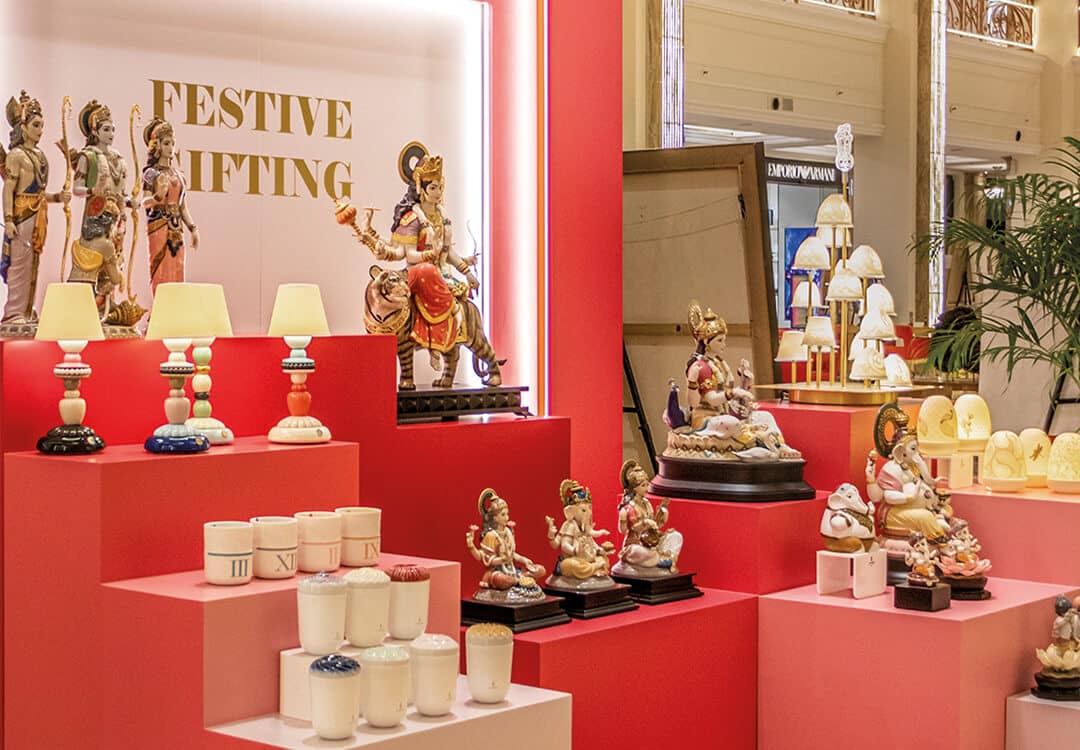
Celebrating Indian Festivals in the Present Year
Celebrating Indian Festivals in the Present Year. Credit: www.lladro.com

Exploring Today’s Indian Festival: Its Origin and Customs

India, known for its rich cultural heritage, celebrates numerous festivals throughout the year, each with its unique customs and traditions. The Indian festival today encompasses a blend of ancient rituals and modern festivities, keeping the spirit of tradition alive. With a diverse population, India showcases a wide array of festivals celebrated based on region, religion, and beliefs.

The Origin of Indian Festivals

Indian festivals trace their origins back centuries, rooted in mythology, legends, and historical events. These festivals symbolize values, commemorate deities, and mark significant milestones in Indian history. The stories behind each festival add meaning and depth to the celebrations, connecting individuals with their cultural legacy.

Celebratory Customs and Rituals

Elaborate customs and rituals are an integral part of Indian festivals, offering a glimpse into age-old traditions. From vibrant decorations to traditional attire, each festival has its own set of customs that are followed with great zeal and enthusiasm. These rituals symbolize religious beliefs, gratitude, and unity among communities.

  • Decorations: Intricate rangoli designs and colorful floral arrangements adorn homes and temples during festivals.
  • Cuisine: Special dishes and sweets are prepared as offerings to deities and shared with loved ones.
  • Music and Dance: Festivals are marked with lively music, dances, and performances that add to the festive atmosphere.

Celebrating the Festivities: Traditions and Rituals

As we dive into exploring the Indian festivals today, it’s imperative to understand the rich tapestry of traditions and rituals that define these celebrations. Across the diverse landscape of India, festivals are marked with unique customs, passed down through generations, reflecting the country’s cultural heritage and spirituality.

The Spirit of Festivals

Indian festivals resonate with vibrancy and joy, bringing communities together in harmony. The festive spirit reverberates through the air, creating an aura of festivity that is contagious.

Rituals and Ceremonies

Each festival is accompanied by specific rituals and ceremonies that hold deep spiritual significance. From lighting diyas during Diwali to offering prayers at temples during Navratri, these rituals bind individuals in a thread of faith and devotion.

  • Garba dance during Navratri
  • Rangoli making during Diwali
  • Holi celebrations with colored powders

Delving into the Festive Food and Delicacies

As we celebrate the vibrant Indian festivals, a key aspect that adds flavor to the festivities is the diverse array of traditional foods and delicacies. From mouth-watering sweets to savory snacks, each festival in India brings with it a unique culinary experience that symbolizes joy and togetherness.

The Sweet Treats

One cannot imagine Indian festivals without indulging in a variety of delectable sweets such as barfis, laddoos, and jalebis. These sugary delights not only please the taste buds but also hold significant cultural importance. During festivals, households are filled with the aroma of ghee-laden sweets being prepared with love and care.

Savory Delights

Alongside sweets, savory snacks play a crucial role in the festive spread. From crispy samosas to spicy pakoras, there are wide, delicious, flavorful dishes that cater to every palate. These dishes are often shared with friends and family, reinforcing the spirit of togetherness during the celebrations.

  • Samosas: Crispy deep-fried pastries filled with savory delights.
  • Pakoras: Spicy fritters made from various ingredients like potatoes, onions, or spinach.
  • Chaats: Tangy and spicy street food snacks that are a hit during festive times.

Colorful Attires and Decorations: Adding Festive Vibes

Embracing the festive spirit, Indians adorn themselves in vibrant and colorful attires during celebrations. The attire choices vary based on the festival, with each region showcasing its unique style and colors. From the elegant sarees and dazzling lehengas to the traditional kurtas and dhotis, every garment reflects the rich cultural heritage of India.

Traditional Festive Attires

During festive occasions, women often opt for stunning traditional outfits like saris and lehengas, embellished with intricate embroideries and dazzling embellishments. Men, on the other hand, prefer wearing kurtas or dhotis paired with colorful dupattas or stoles to complete their festive look.

Decorating Homes with Bright Colors

To enhance the festive vibes, Indian homes are adorned with colorful decorations such as marigold flowers, rangoli patterns, and torans (door hangings). These vibrant embellishments not only beautify the surroundings but also create a joyous and welcoming ambiance for guests and family members.

Joining the Celebrations: Activities and Events

Immerse yourself in the rich cultural tapestry of India by taking part in a myriad of activities and events that celebrate the diverse festivals happening throughout the year. From vibrant street parades to traditional dance performances, there is something for everyone to enjoy.

Traditional Rituals and Ceremonies

Participate in age-old customs and rituals that have been passed down through generations, symbolizing unity, spirituality, and prosperity. Witness the lighting of diyas during Diwali or the colorful rangoli patterns adorning doorsteps during Holi.

Experience the joy of decorating your home with fresh flowers for Onam or savoring the delicious sweets prepared during Eid al-Fitr.

Community Festivities and Gatherings

Join in the festivities by attending community events that showcase the best of Indian culture, such as food festivals featuring traditional delicacies, art exhibitions highlighting local talent, and music concerts with live performances.

Be a part of the lively celebrations where people come together to dance, sing, and exchange greetings, fostering a sense of unity and togetherness.

Frequently Asked Questions

    • What is the significance of Indian festivals?
    • Indian festivals hold cultural, traditional, and historical significance. They are celebrations that bring people together, promote harmony, and uphold traditions passed down through generations.
    • What are some popular Indian festivals celebrated across the country?
    • Popular Indian festivals include Diwali, Holi, Navratri, Eid, Christmas, Ganesh Chaturthi, Dussehra, Raksha Bandhan, and many more. Each festival holds its unique customs and rituals.
    • How do people typically celebrate Indian festivals?
    • People celebrate Indian festivals by decorating their homes, preparing special dishes, wearing traditional attire, performing prayers and rituals, exchanging gifts, and participating in cultural events like dances, music, and dramas.
    • Are Indian festivals based on a particular religion?
    • Indian festivals are diverse and not limited to any single religion. They are celebrated by people of various faiths, including Hinduism, Islam, Christianity, Sikhism, Jainism, and others, showcasing the country’s multicultural fabric.
    • How can one participate in Indian festivals as a visitor or foreigner?
    • Visitors or foreigners can participate in Indian festivals by respecting the customs and traditions, trying out traditional clothing, enjoying the festive delicacies, observing the rituals, and joining in the celebrations with enthusiasm and an open mind.

Final Thoughts: Embracing the Rich Tapestry of Indian Festivals

As we conclude our exploration of “What is the Indian festival today?” it becomes evident that India’s cultural landscape is as diverse as it is vibrant. The festivities, steeped in tradition and significance, offer a glimpse into the country’s rich heritage and values. By participating in these celebrations, one not only honors the past but also creates lasting memories for the future.

From the joyous colors of Holi to the spiritual essence of Diwali, each festival symbolizes unity, faith, and the triumph of good over evil. As you immerse yourself in the music, dance, and flavors of India, remember that these festivals are not just events but expressions of life, love, and togetherness.

May the essence of Indian festivals continue to inspire and connect people across the globe, spreading happiness and fostering harmony. Let’s embrace the magic of these celebrations and cherish the bonds they create, transcending borders and uniting hearts in a shared journey of cultural appreciation and joy.


Filed Under: BLOG

Fyre Festival

September 5, 2024 by FF25Zl48PJRrGoRIiXgbBgcV Leave a Comment

Have you ever heard of the infamous Fyre Festival? Launched in 2017 as a luxury music festival promising an unparalleled experience on a private island in the Bahamas, it quickly turned into one of the biggest event disasters in recent history. But what is the Fyre Festival exactly? It was marketed as a once-in-a-lifetime opportunity with A-list performers, gourmet dining, and luxurious accommodations. However, festival-goers arrived to find half-built tents, soggy cheese sandwiches, and chaos instead of the luxurious getaway they were promised. Join us as we delve into the unraveling of this unfortunate event and uncover the truth behind the mystery of the Fyre Festival.

A series… pic.twitter.com/scvh5ZKxDs

— Fyre Festival (@fyrefestival) October 24, 2022

Introduction to the Fyre Festival

The Fyre Festival was a widely promoted luxury music festival founded by Billy McFarland and rapper Ja Rule. In April 2017, the event was supposed to take place on the Bahamian island of Great Exuma, offering an exclusive experience for attendees. However, what unfolded was far from the glamorous festival that was promised, leaving hundreds of attendees stranded with subpar accommodations, inadequate food, and canceled performances.

Background of the Fyre Festival

The idea behind the Fyre Festival was to create an ultra-luxurious event that blended music, art, and culinary experiences in an exotic location. Promoted as a once-in-a-lifetime experience, the festival aimed to attract influencers and high-net-worth individuals looking for a unique getaway.

Unraveling of the Fyre Festival

As attendees started to arrive at the festival site, it became evident that the organizers had grossly misrepresented the event. Instead of the opulent accommodations and gourmet dining promised, guests were met with disaster relief tents and pre-packaged sandwiches. Social media posts from attendees went viral, showcasing the chaotic scene and lack of necessities.

The failure of the Fyre Festival led to multiple lawsuits, including a criminal investigation into the organizers for fraud. The event’s mismanagement highlighted the risks of influencer marketing and the importance of due diligence when attending high-profile events.

Luxury Music Festival Experience in the Year of What is the Fyre Festival
Luxury Music Festival Experience in the Year of What is the Fyre Festival? Credit: www.newyorker.com

Origins and Planning of the Fyre Festival

The Fyre Festival, touted as an exclusive and luxurious music event, was conceptualized by entrepreneur Billy McFarland and rapper Ja Rule. The festival was supposed to take place in the Bahamas in 2017.

Initial Vision

The initial vision was to create an immersive experience blending music, art, and gourmet cuisine on a private island. The festival aimed to provide attendees with a once-in-a-lifetime getaway.

Planning and Marketing

The planning process involved aggressive social media marketing targeting affluent millennials. Influencers like Kendall Jenner and Bella Hadid were roped in to promote the event, creating a buzz around it.

The marketing strategy painted the Fyre Festival as the ultimate luxury experience, with promises of top-tier accommodations, gourmet dining, and performances by popular artists.

The Marketing Hype Surrounding the Fyre Festival

The Fyre Festival, a now-infamous event, gained massive attention and notoriety for all the wrong reasons. Marketed as a luxury music festival set in the Bahamas, this disastrous event took place in the year that is often associated with the Fyre Festival. With promises of extravagant accommodations and performances by top artists, the festival attracted influencers, celebrities, and eager attendees. However, what unfolded was a complete disaster that left attendees stranded and disappointed.

The Rise of Hype

The marketing campaign surrounding the Fyre Festival was unparalleled, leveraging social media platforms to create a buzz unlike any other. Influencers, including models and celebrities, were paid to promote the event with enticing posts showcasing luxurious settings and extravagant promises. This led to a frenzy of ticket sales and heightened anticipation among festival-goers.

The Unrealized Dream

Despite the glamorous portrayal of the festival, the reality on the ground was starkly different. Attendees arrived to find basic, inadequate accommodations, subpar food options, and a lack of the promised top-tier musical performances. The luxurious experience that was marketed turned out to be a complete disaster, leading to chaos and confusion among the stranded attendees.

Organizational mismanagement, logistical failures, and a lack of proper planning all contributed to the collapse of what was supposed to be a luxurious event. The Fyre Festival serves as a cautionary tale of the dangers of prioritizing hype and marketing over actual execution and delivery.

The Fyre Festival Disaster Unfolds

The Fyre Festival, initially promoted as a luxury music festival set to take place in the Bahamas, quickly turned into a chaotic nightmare for attendees in 2017. Promoted by influencers and celebrities, the festival promised a glamorous experience but failed to deliver on its grandiose promises.

Event Planning Missteps

Organizers faced challenges from the start, with inadequate planning and a lack of resources leading to substandard accommodations and dining arrangements. Attendees were greeted with disaster relief tents instead of the promised luxury villas and pre-packaged sandwiches instead of gourmet meals.

Logistical Challenges

The festival’s infrastructure was ill-prepared to accommodate the influx of guests, leading to transportation issues, a lack of basic amenities, and safety concerns. The lack of coordination and communication exacerbated the already dire situation, leaving attendees stranded and frustrated.

Legal Consequences and Fallout

As the aftermath of the infamous Fyre Festival unfolded, the event organizers faced severe legal repercussions and fallout due to the disastrous turn of events in 2017. Several lawsuits were filed against the key figures involved in promoting and organizing the festival, including founder Billy McFarland, for fraud, breach of contract, and misrepresentation.

Criminal Charges and Convictions

Subsequently, Billy McFarland was arrested and charged with multiple counts of wire fraud, ultimately leading to his conviction in 2018. The legal system’s response to the Fyre Festival fiasco set a precedent for holding event organizers accountable for deceptive practices.

Civil Lawsuits and Settlements

The fallout also included numerous civil lawsuits from ticket buyers, investors, and vendors who suffered financial losses and damages as a result of the festival’s failure. Many of these cases were settled out of court, with the aggrieved parties receiving compensation for their losses.

  • Missed Expectations: The breach of promises and failure to deliver the luxurious experience promised to attendees led to a wave of legal actions.
  • Financial Repercussions: The financial settlements and compensations paid out further added to the economic woes of the organizers.

Lessons Learned from the Fyre Festival Debacle

The Fyre Festival, a highly publicized luxury music festival promoted by influencers, turned into a disaster in 2017. This incident serves as a cautionary tale for event organizers worldwide.

Importance of Transparency

Organizers failed to be transparent about the festival’s actual conditions, leading to mass confusion and chaos among attendees.

Need for Proper Planning

Proper planning and coordination are crucial for executing successful events. Rushing can lead to logistical nightmares, just like what happened at Fyre Festival.

  • Thoroughly vet all vendors and contractors.
  • Communicate clearly with all stakeholders.

Frequently Asked Questions

    • What was the Fyre Festival?
    • The Fyre Festival was a music festival that was advertised as a luxury event taking place in the Bahamas in 2017. It was promoted by entrepreneur Billy McFarland and rapper Ja Rule but ultimately ended in disaster.
    • Why is the Fyre Festival infamous?
    • The Fyre Festival gained notoriety for being a complete failure and disaster. Attendees who paid thousands of dollars for tickets arrived to find subpar conditions, a lack of basic needs, and overall chaos.
    • What were some of the issues faced at the Fyre Festival?
    • Attendees faced issues such as lack of proper accommodation, inadequate food and water, unfinished infrastructure, poor event planning, and overall misrepresentation of the festival’s offerings.
    • How did the Fyre Festival impact those involved?
    • The Fyre Festival led to legal consequences for its organizers, financial losses for investors and workers, damage to the reputation of influencers who promoted it, and disappointment and inconvenience for attendees.
    • What lessons can be learned from the Fyre Festival fiasco?
    • The Fyre Festival serves as a cautionary tale about the consequences of deceptive marketing, lack of proper planning, overpromising and underdelivering, and the power of social media in shaping public perception.

Unlocking the Mystery: What is the Fyre Festival?

Final Thoughts

As we close the chapter on the Fyre Festival saga, one thing is clear – it was a cautionary tale of grandiosity, deceit, and mismanagement. The festival, once hyped as a luxury experience, turned into a disaster that left attendees stranded and organizers facing legal repercussions. Through this exploration, we uncovered the truth behind the Fyre Festival – a failed event that showcased the dangers of chasing superficial success without proper planning and ethics. It serves as a reminder to prioritize transparency, honesty, and accountability in all endeavors.

Filed Under: BLOG

The Festival of Weeks

September 5, 2024 by FF25Zl48PJRrGoRIiXgbBgcV Leave a Comment

Have you ever wondered about the significance of the Festival of Weeks? This ancient tradition, also known as Shavuot in the Jewish faith, holds great importance in various cultures and religions around the world. Celebrated seven weeks after Passover, this festival marks the grain harvest in Israel and commemorates the giving of the Torah at Mount Sinai. It is a time of joy, gratitude, and spiritual reflection. In this blog, we will delve into the rich history and deep-rooted meaning behind the Festival of Weeks, exploring its customs, traditions, and the profound messages it conveys. Join us on this enlightening journey as we uncover the hidden treasures of this sacred celebration.

Go to https://t.co/8Pp4y9ABVM to buy new SourBoys… Rocket pop and Lil Guys!!!! pic.twitter.com/ZTfA0WJqOn

— caleb (@oompaville) July 12, 2024

Introduction to the Festival of Weeks

The Festival of Weeks, also known as Shavuot or Pentecost, is a significant Jewish holiday that commemorates the giving of the Torah at Mount Sinai. Celebrated seven weeks after Passover, this festival holds deep spiritual and agricultural meanings for the Jewish community worldwide.

Historical Significance

Originally an agricultural festival marking the end of the grain harvest, it evolved into a time to celebrate the Torah and the covenant between God and the Jewish people. This tradition dates back thousands of years and continues to be observed with reverence and joy.

Celebratory Customs

During this joyous occasion, families gather to read the Book of Ruth, decorate synagogues with flowers and greenery, and indulge in dairy-based delicacies. These customs symbolize the sweetness and richness of the Torah, connecting the community with their heritage.

  • Reading the Book of Ruth
  • Decorating with Flowers
  • Feasting on Dairy Foods
Festival of Weeks celebration with family in the year 2022
Festival of Weeks celebration with family in the year 2022. Credit: www.latimes.com

Historical Significance of the Festival

The Festival of Weeks, also known as Shavuot, holds immense historical significance in Jewish tradition. It commemorates the giving of the Torah at Mount Sinai and the culmination of the seven-week counting period between Passover and Shavuot.

Ancient Origins

Shavuot dates back to ancient times and has agricultural roots. It was originally celebrated as a harvest festival in the Land of Israel. It marked the end of the barley harvest and the beginning of the wheat harvest, with offerings brought to the Temple in Jerusalem.

Religious Observance

Today, the Festival of Weeks is observed by Jewish communities worldwide with special prayers, readings from the Torah, and the custom of staying up all night to study Jewish texts. Many also partake in dairy foods like cheesecakes and blintzes.

Harvest celebration during the Festival of Weeks in the year of 2021
Harvest celebration during the Festival of Weeks in the year of 2021. Credit: www.amazon.com

Traditions and Celebrations

The Festival of Weeks, also known as Shavuot, is a significant Jewish holiday that is celebrated to mark the giving of the Torah at Mount Sinai. This ancient tradition is observed 50 days after Passover, falling in the late spring or early summer. It is a time of joy, gratitude, and communal gatherings to commemorate the receiving of the divine laws. Understanding the customs and celebrations surrounding this festival can provide valuable insights into Jewish culture and history.

The Meaning Behind Shavuot

Shavuot holds great importance in Judaism as it symbolizes the covenant between God and the Jewish people. It is a time to honor the sacred connection between the community and the divine. The holiday emphasizes the significance of Torah study, prayer, and reflection.

On this day, many Jewish individuals participate in all-night study sessions called Tikkun Leil Shavuot, engaging in discussions on various religious texts and teachings. This tradition fosters a sense of unity and shared learning among participants.

Celebratory Practices and Customs

During Shavuot, it is customary to consume dairy-based foods like cheese and cheesecake. This tradition is linked to the idea of the Torah being compared to milk and honey, representing the sweetness and nourishment derived from studying its laws.

  • The act of decorating homes and synagogues with flowers and greenery is a common practice during this festival, symbolizing the beauty and renewal associated with the giving of the Torah.
  • Many communities also take part in charitable acts and donate to those in need as a way of expressing gratitude for the blessings received throughout the year.
Celebrating the Festival of Weeks with traditional customs in the year 2022
Celebrating the Festival of Weeks with traditional customs in the year 2022. Credit: www.lonelyplanet.com

Symbolism and Meaning

The Festival of Weeks, known as Shavuot in Hebrew, holds deep symbolic meaning in Jewish tradition. It commemorates the giving of the Torah at Mount Sinai and the harvest of the first fruits. This festive occasion carries spiritual significance, celebrating the covenant between God and the Jewish people.

Significance of the Torah

The Torah, the sacred text of Judaism, symbolizes guidance, wisdom, and divine teachings. During the Festival of Weeks, Jews reflect on the importance of living according to the commandments outlined in the Torah. This spiritual journey strengthens their faith and commitment to God’s word.

Celebrating the Harvest

Another vital aspect of the Festival of Weeks is the agricultural theme, highlighting the bounty of the land and the blessings of the harvest season. Participants offer gratitude for the abundance of food and resources provided by the earth. This practice fosters a sense of appreciation and humility towards nature.

Modern Observance of the Festival

The Festival of Weeks, also known as Shavuot, is celebrated by Jewish communities around the world. It falls 50 days after Passover and holds immense significance. In modern times, the observance of this festival has evolved to incorporate both traditional rituals and contemporary customs.

Community Gatherings and Prayers

Many communities come together for special prayers and services during the Festival of Weeks. Synagogues host study sessions focusing on the Torah and its teachings, emphasizing the importance of education and spiritual growth.

Participants engage in deep introspection and reflection, seeking to strengthen their connection with their faith.

Culinary Traditions

Food plays a significant role during Shavuot. Cheesecakes and dairy-based dishes are commonly enjoyed to symbolize the sweetness of the Torah. Families gather for festive meals, where dairy delicacies take center stage.

  • Blintzes
  • Cheese platters
  • Traditional kugel

Connection to Other Festivals

When exploring the significance of the Festival of Weeks, it is fascinating to note its connections to other festivals celebrated around the world. This ancient tradition, also known as Shavuot, bears similarities to various harvest festivals in different cultures.

Harvest Festival Connections

Many cultures mark the end of the harvest season with festivities and gratitude for the bountiful yield. The Festival of Weeks, like these harvest celebrations, emphasizes thankfulness for the gifts of the land and the importance of unity.

Cultural Exchange

The exchange of agricultural practices and rituals between different regions has influenced the customs of diverse festivals. Understanding these cultural exchanges can enrich our appreciation for the shared traditions that emphasize community and gratitude.

Frequently Asked Questions

    • What is the Festival of Weeks?
    • The Festival of Weeks, also known as Shavuot in Jewish tradition, is a biblical holiday celebrated seven weeks after Passover. It commemorates the giving of the Torah at Mount Sinai and the end of the grain harvest in Israel.
    • How is the Festival of Weeks celebrated?
    • Celebrations of the Festival of Weeks vary among different cultures and religions. In Jewish tradition, it involves reading the Book of Ruth, eating dairy foods, and participating in synagogue services. In Christian tradition, it is known as Pentecost and marks the descent of the Holy Spirit upon the apostles.
    • What is the significance of the Festival of Weeks?
    • The Festival of Weeks holds deep spiritual significance for both Jews and Christians. For Jews, it commemorates the receiving of the Torah, while for Christians, it marks the birth of the Christian Church through the outpouring of the Holy Spirit.
    • How long does the Festival of Weeks last?
    • The Festival of Weeks typically lasts one to two days, depending on the religious or cultural tradition being observed. In Jewish tradition, it is a one-day holiday in Israel and a two-day holiday in the diaspora.
    • Are there any traditional foods associated with the Festival of Weeks?
    • Yes, there are traditional foods associated with the Festival of Weeks. In Jewish tradition, dairy foods such as cheesecakes and blintzes are often consumed during this holiday.

In Conclusion: Exploring the Rich Tradition of the Festival of Weeks

As we conclude our journey into the ancient tradition of the Festival of Weeks, we have uncovered a wealth of significance and meaning behind this revered observance. From its agricultural roots to its spiritual importance, this festival symbolizes the connection between the people of Israel and their faith. It serves as a reminder of gratitude for the harvest, a celebration of community, and a time for reflection and renewal.

Understanding the essence of Shavuot or Pentecost sheds light on the deep-rooted customs that have been passed down through generations. It highlights the unity and continuity of Jewish traditions and emphasizes the importance of commemorating historical milestones. May this festival inspire us all to appreciate our heritage and embrace the values it imparts.

Filed Under: BLOG

The Festival of Unleavened Bread

September 5, 2024 by FF25Zl48PJRrGoRIiXgbBgcV Leave a Comment

Have you ever wondered what the Festival of Unleavened Bread truly signifies? This ancient Jewish tradition holds deep cultural and religious significance that is worth exploring. The Festival of Unleavened Bread, also known as Passover, is a celebration that commemorates the Israelites’ liberation from slavery in Egypt. During this week-long festival, participants consume unleavened bread to symbolize the haste with which the Israelites fled Egypt. It is a time of remembrance, reflection, and renewal, filled with rich traditions and rituals. Join us as we delve into the meanings behind this sacred festival, uncover its traditions, and explore the enduring relevance of the Festival of Unleavened Bread in today’s world.

Gospel of the Day (Mark 14,1-72.15,1-47)

The Passover and the Feast of Unleavened Bread were to take place in two days’ time. So the chief priests and the scribes were seeking a way to arrest Jesus by treachery and put him to death.https://t.co/gwXbvaKbM6 pic.twitter.com/2FfWLjBC3T

— Vatican News (@VaticanNews) March 24, 2024

Introduction to the Festival of Unleavened Bread

The Festival of Unleavened Bread is a significant event in the Jewish calendar, commemorating the Exodus of the Israelites from Egypt. It is a week-long festival that immediately follows Passover and holds deep spiritual and historical importance for the Jewish community.

Symbolism and Meaning

The absence of leaven during this festival symbolizes the haste in which the Israelites left Egypt, as they did not have time for their bread to rise. It also represents a time of purification and a reminder of the hardships endured during their slavery.

During this time, Jews eat matzo, unleavened bread, to honor their ancestors’ journey towards freedom. The festival serves as a time for reflection, repentance, and renewal of spiritual commitments.

Celebration and Traditions

Traditionally, families engage in a thorough cleaning of their homes to remove all traces of leaven, a practice known as Chametz. This symbolic act signifies the removal of pride and ego to embrace humility.

Throughout the week, special meals are prepared using unleavened ingredients, and the first and last days of the festival are observed as sacred gatherings and rest days.

Traditional unleavened bread consumed during the Festival of Unleavened Bread in 2021
Traditional unleavened bread was consumed during the Festival of Unleavened Bread in 2021. Credit: www.greathebrewawakening.org

Historical Significance of the Festival

The Festival of Unleavened Bread holds immense historical significance, dating back thousands of years. This ancient tradition is rooted in the story of the Israelite exodus from Egypt, as detailed in the Old Testament of the Bible. The festival commemorates their hasty departure, where they did not have time to let their bread rise, leading to the consumption of unleavened bread during their journey to freedom.

Origins in Biblical History

The origins of the Festival of Unleavened Bread are closely intertwined with the Passover story. According to the Book of Exodus, it is said that the Israelites were instructed to eat unleavened bread and bitter herbs as a way to remember the bitterness of slavery and the haste with which they had to leave Egypt.

This tradition symbolizes the Israelites’ liberation from bondage and their journey toward a promised land of freedom and prosperity.

Modern Observance and Cultural Significance

Today, the Festival of Unleavened Bread is observed by Jewish communities worldwide as a time of remembrance, reflection, and celebration. Families come together to share special meals featuring unleavened bread, known as matzah, and participate in rituals that honor their ancestors’ struggles and triumphs.

Image:

Meaning and Symbolism of Unleavened Bread

Unleavened bread holds significant meaning and symbolism in the observance of the festival. It represents the haste with which the Israelites left Egypt during Exodus, as they did not have time to let their bread rise. This unleavened bread, also known as matzah, is a reminder of the humility and simplicity required during times of transition and obedience.

Symbolism of Unleavened Bread

The absence of leaven symbolizes purification and removal of sin in preparation for a fresh start. The flat and plain nature of unleavened bread signifies the removal of pride and extravagance, focusing instead on humility and gratitude for freedom.

It also symbolizes the reliance on God’s provision, as the Israelites depended solely on Him during their journey through the wilderness. This act of faith is a central theme in the observance of the festival.

Importance of Matzah in Traditions

During the festival, matzah serves as a key element in various rituals and ceremonies. Its unleavened nature serves as a reminder of historical events and calls for introspection, repentance, and gratitude for liberation.

Matzah is often broken and shared during Passover Seders, symbolizing unity and community. It is also used in the reenactment of the Exodus story, adding a multi-sensory experience that deepens the understanding of ancestral traditions and faith.

Traditional Practices during the Festival

During the Festival of Unleavened Bread, which typically falls in the spring, families and communities come together to celebrate this ancient tradition. One of the key practices during this festival is the removal of leavened products from households, symbolizing the removal of sin and impurity from one’s life.

Preparation and Cleaning

Leading up to the festival, families engage in a thorough cleaning of their homes, especially the kitchen, to rid them of any traces of leavened products. This practice signifies a fresh start and a commitment to living a pure and holy life during the festival period.

Many also prepare special unleavened bread, known as matzo, which becomes a staple food during the festival. This unleavened bread serves as a reminder of the haste with which the Israelites left Egypt during Exodus.

Special Meals and Offerings

Throughout the festival, special meals are prepared that adhere to the dietary restrictions of consuming only unleavened products. Families gather for festive meals that often include symbolic foods such as bitter herbs and lamb, recalling the sacrifices made by their ancestors.

Moreover, offerings are made at the temples during this time as a sign of gratitude and devotion to God. These offerings typically consist of the first fruits of the harvest, showcasing an appreciation for God’s provision.

Symbolic Practice During the Festival of Unleavened Bread in the Current Year
Symbolic Practice During the Festival of Unleavened Bread in the Current Year. Credit: eliyah.com

Modern Celebrations and Observations

Modern observance of the Festival of Unleavened Bread revolves around the symbolic significance of unleavened bread and the act of removing leaven from homes. Families commemorate this time with gatherings, meals, and religious ceremonies. It is an opportunity for reflection on the journey of the Israelites and the importance of faith and obedience.

Traditional Foods

During the Festival of Unleavened Bread, traditional foods are prepared, emphasizing the use of unleavened bread or matzah, bitter herbs, and other symbolic dishes. The act of consuming unleavened bread represents the haste in which the Israelites left Egypt, forgoing the time needed for bread to rise.

Family Rituals

Families partake in rituals such as the removal of leaven from their homes before the festival begins, symbolizing the removal of sin and impurities. Prayers and reflections often accompany this act of personal growth and spiritual cleansing.

Frequently Asked Questions

    • What is the Festival of Unleavened Bread?
    • The Festival of Unleavened Bread is a Jewish holiday that commemorates the Israelites’ departure from ancient Egypt and their liberation from slavery.
    • When is the Festival of Unleavened Bread typically celebrated?
    • The Festival of Unleavened Bread usually occurs in the spring, immediately following Passover. It lasts for seven days, with the first and last days being considered as special Sabbaths.
    • Why is it called the Festival of Unleavened Bread?
    • It is named as such because, during the festival, participants are not allowed to eat or possess any leavened products. This symbolizes the Israelites’ haste in leaving Egypt, where they did not have time to let their bread rise.
    • What are some of the traditional activities or practices associated with the Festival of Unleavened Bread?
    • Some traditional activities during the festival include removing all leavened products from the home before it begins, eating unleavened bread (Matzah), and holding special meals called Sedarim.
    • Is the Festival of Unleavened Bread observed only by Jewish people?
    • Primarily, the Festival of Unleavened Bread is a Jewish holiday. However, some Christian denominations also observe it as a way to remember the events leading to Jesus Christ’s crucifixion and resurrection, as it coincided with the Jewish Passover.

Unlocking the Meaning Behind The Festival of Unleavened Bread

As we delve into the significance and traditions of the Festival of Unleavened Bread, we uncover a rich tapestry of historical, religious, and cultural elements that span centuries. This festival, rooted in the biblical account of the Israelite exodus from Egypt, serves as a reminder of God’s deliverance and the importance of spiritual purity. The removal of leaven symbolizes the removal of sin from our lives, fostering introspection and renewal. Through the observance of unleavened bread, we connect with ancient traditions and embrace the timeless values of faith, freedom, and gratitude. Let this celebration inspire us to reflect on our spiritual journey and the eternal truths it embodies.

Filed Under: BLOG

What is the Cannes Film Festival?

September 5, 2024 by FF25Zl48PJRrGoRIiXgbBgcV Leave a Comment

The Cannes Film Festival, one of the most prestigious events in the global film industry, is a glamorous celebration of cinema that attracts filmmakers, stars, and cinephiles from around the world. But what exactly is the Cannes Film Festival? It is an annual event held in Cannes, France, showcasing a diverse selection of films, from independent productions to major studio releases. More than just a film festival, Cannes is a platform where new talent is discovered, artistic achievements are recognized, and cinematic trends are set. Join us as we delve into the essence of the Cannes Film Festival, uncovering its history, significance, and the allure that makes it a Mecca for film enthusiasts worldwide.

pic.twitter.com/aFC7QGLrV3

— Cannes Film Festival (@cannes) May 11, 2024

Introduction to the Cannes Film Festival

The Cannes Film Festival is one of the most prestigious and well-known film festivals globally, and it is held annually in Cannes, France. It showcases a diverse selection of films from around the world, ranging from independent films to big-budget productions. Founded in 1946, the festival attracts actors, filmmakers, and celebrities, making it a hotspot for glamour and cinema.

History of the Cannes Film Festival

The history of the Cannes Film Festival dates back to 1939 when it was proposed. However, the first official festival took place in September 1946, where films from 16 countries were screened. Over the years, it has grown in stature and popularity, becoming a significant event in the film industry.

Key Features of the Cannes Film Festival

One of the unique aspects of the Cannes Film Festival is the Palme d’Or award, which was presented to the best film in the competition. The festival also includes other prestigious awards like the Grand Prix, Best Director, and Best Actor/Actress. Celebrities walk the red carpet in stunning outfits, adding to the glamour of the event.

Cannes Film Festival red carpet event in [current year]
Cannes Film Festival red carpet event in [current year]. Credit: www.dailymail.co.uk

History and Origins

The Cannes Film Festival, dating back to 1946, is one of the most prestigious and glamorous events in the film industry worldwide. Initially slated for September 1939, the festival was canceled due to World War II. The first official festival took place in 1946, becoming a symbol of revival and celebration post-war.

Evolution Over the Years

Initially conceived to rival the Venice Film Festival, Cannes quickly surpassed its Italian counterpart, becoming synonymous with glitz, glamour, and A-list celebrities.

Inaugural Year Highlights

In its first edition, Cannes showcased films from twenty-one countries, including classics like “The Lost Weekend” and “Rome, Open City.” The Grand Prix award went to the movie “Brief Encounter,” marking the festival’s launch on a high note.

Vibrant atmosphere of the Cannes Film Festival, showcasing its allure in the year of what is the Cannes film festival
The vibrant atmosphere of the Cannes Film Festival showcases its allure in the year of what the Cannes Film Festival is. Credit: www.wfcn.co

Significance and Impact

The Cannes Film Festival, held annually in Cannes, France, is one of the most prestigious and glamorous events in the film industry. What is The Cannes Film Festival known for its red carpet premieres, high-profile guests, and celebration of cinematic excellence?

Global Recognition

The festival offers a platform for filmmakers from around the world to showcase their work and gain international recognition. What is the Cannes Film Festival br>It serves as a hub for industry professionals to network, negotiate deals, and discover new talent.

Cinematic Influence

Winning a coveted award at Cannes can significantly impact a film’s reputation and success. Movies that receive accolades at the festival often experience increased box office sales and critical acclaim. The Cannes Film Festival has the power to launch careers and shape the future of cinema.

Glamorous Cannes Film Festival Red Carpet - 2022
Glamorous Cannes Film Festival Red Carpet – 2022. Credit: in.pinterest.com

Participation and Selection Process

The Cannes Film Festival is an exclusive event where filmmakers, actors, and industry professionals from around the world come together to showcase their work and celebrate cinema. To participate in the festival, filmmakers must submit their films for consideration by a selection committee.

Submission Process

Filmmakers interested in showcasing their work at Cannes must submit their films through the official festival website. The submission typically includes a completed entry form, a screener of the film, and any additional required materials.

Selection Committee

The selection process at the Cannes Film Festival is highly competitive, with a panel of experienced industry professionals carefully reviewing each submission to determine which films will be included in the official lineup. Only the best of the best are chosen to be part of the prestigious event.

Famous Films and Stars

One of the most anticipated aspects of the Cannes Film Festival is the premiere of famous films featuring A-list stars from around the world. These films often become the talk of the town and set the tone for the festival.

Blockbuster Premieres

Each year, Cannes showcases a mix of critically acclaimed films that draw large audiences and generate significant buzz. Some of these films go on to become award-winning masterpieces.

One notable film from recent years that premiered at Cannes and garnered widespread acclaim was “Parasite,” directed by Bong Joon-ho.

Star-Studded Red Carpet

Stars flock to Cannes not only to promote their films but also to dazzle on the red carpet. The festival is a glamorous affair where celebrities showcase their latest fashion choices and mingle with fans and the press.

  • Actresses like Cate Blanchett and actors such as Brad Pitt have graced the Cannes red carpet in recent years, adding to the festival’s allure.

Cultural and Economic Influence

The Cannes Film Festival holds immense cultural and economic influence, attracting filmmakers, stars, and film enthusiasts worldwide. This prestigious event not only celebrates the art of cinema but also sets trends for the global film industry.

Cultural Impact

The festival showcases a diverse range of films, reflecting different cultures and perspectives. It serves as a platform for filmmakers to express their creativity and share unique stories with a global audience.

Moreover, the Cannes Festival’s cultural significance extends beyond movies, influencing fashion trends, beauty looks, and red-carpet styles.

Economic Contribution

The economic impact of the Cannes Film Festival is substantial, generating revenue for the local economy through tourism, hospitality, and associated events.

  • Each year, the festival attracts high-spending tourists, filling hotels, restaurants, and shops in the French Riviera.
  • Furthermore, the festival serves as a marketplace for film deals, distribution agreements, and collaborations, boosting the global film industry.

Evolution Over the Years

The Cannes Film Festival has evolved significantly over the years since its inception in 1946. Initially, the festival aimed to provide a platform for European cinema post-World War II. However, as time passed, it gained international recognition and expanded its scope to encompass films from all over the world.

Technological Advancements

With technological advancements, the festival embraced digitalization, allowing filmmakers to submit their entries online and revolutionizing the selection process. This change has made the festival more accessible to a global audience.

Increased Diversity

Over the years, the Cannes Film Festival has also diversified its lineup by including films that explore a wide range of themes and genres. This move has made the festival more inclusive and reflective of the diverse cinematic landscape.

  • Foreign Language Films
  • Independent Productions
  • Experimental Cinema

Frequently Asked Questions

    • What is the history of the Cannes Film Festival?
    • The Cannes Film Festival is an annual film festival held in Cannes, France, which previews new films of all genres, including documentaries, from around the world. It was founded in 1946 and has since become one of the most prestigious film festivals in the world.
    • Why is the Cannes Film Festival considered prestigious?
    • The Cannes Film Festival is considered prestigious because it showcases some of the best films from around the world and attracts top filmmakers, actors, and industry professionals. Winning a prize at Cannes is a significant achievement in the film industry.
    • How is the Cannes Film Festival different from other film festivals?
    • The Cannes Film Festival is known for its glamour and exclusivity. It is not only a platform for film screenings, but also a place where deals are made, stars are born, and trends are set. The festival’s red carpet-events and award ceremonies attract worldwide attention.
    • Who can attend the Cannes Film Festival?
    • The Cannes Film Festival is primarily an industry event, meaning attendance is usually restricted to film industry professionals, journalists, and accredited guests. However, there are some public screenings and events that allow general audiences to participate.
    • What are some famous films that premiered at the Cannes Film Festival?
    • Many iconic films have premiered at the Cannes Film Festival, including ‘Pulp Fiction,’ ‘Apocalypse Now,’ ‘La Dolce Vita,’ ‘Taxi Driver,’ and ‘Parasite.’ These films have gone on to achieve critical acclaim and success worldwide.

Unveiling the Glamour: What is the Cannes Film Festival?

Final Thoughts

As we conclude our exploration of the Cannes Film Festival, it becomes apparent that this prestigious event is more than just a renowned film festival; it is a celebration of artistic excellence, cinematic innovation, and international collaboration. From the red-carpet premieres to the thought-provoking film screenings, Cannes continues to captivate audiences worldwide with its glamour and cultural significance. Understanding what the Cannes Film Festival represents sheds light on the immense impact it has on the film industry and the global art scene. It is a melting pot of talent, creativity, and inspiration, making it a truly unforgettable experience for all involved.

Filed Under: BLOG

What is Indian Festival Today

September 5, 2024 by FF25Zl48PJRrGoRIiXgbBgcV Leave a Comment

India, a land of rich cultural diversity, is known for its vibrant festivals that celebrate various traditions and beliefs. Have you ever wondered, “What is the Indian festival today?” This blog aims to unravel the essence of the day’s festivities, shedding light on the significance, rituals, and joyous celebrations that mark these occasions. From colorful Holi to spiritual Diwali, each festival in India encapsulates stories, myths, and traditions that have been passed down through generations. Join us on a delightful journey as we explore the tapestry of Indian festivals, understanding their unique customs and the sense of unity and togetherness they bring to the diverse tapestry of Indian society.

Join us at the India Art Festival, a vibrant celebration of art and creativity! Explore the works of 450 talented artists, 30 renowned art galleries, and 3500 captivating artworks. Immerse yourself in live performances, mesmerizing fusion shows pic.twitter.com/cklbQ5K5SK

— India Art Festival (@indiaartfestiva) August 22, 2024

Introduction to Indian Festivals

Indian festivals are a vibrant tapestry of culture, tradition, and spirituality. They reflect the rich diversity and unity of the country. Celebrated with much zeal and enthusiasm, these festivals encapsulate the essence of India’s history and ethos.

The Cultural Mosaic

Each festival in India has a unique significance, and associated rituals and customs vary from region to region. From Holi, the festival of colors, to Diwali, the festival of lights, each celebration showcases different aspects of Indian culture and beliefs. What is an Indian festival today?

The Festive Spirit

Indian festivals are not just about rituals; they are also about community bonding, sharing joy, and spreading positivity. People come together to celebrate and exchange greetings, sweets, and gifts, fostering relationships and goodwill among all amidst the festive fervor.

  • Unity in Diversity
  • Tradition and modernity coexist harmoniously
  • Respect and reverence toward cultural heritage
Indian festive celebrations showcasing the unity and diversity - what is the essence of Indian festivals today
Indian festive celebrations showcase unity and diversity – what is the essence of Indian festivals today? Credit: medium.com

Significance of Celebrating Festivals

Indian festivals hold immense cultural and social significance, reflecting the rich heritage and diversity of the country. They provide a platform for communities to come together and celebrate traditions that have been passed down through generations. Festivals serve as a time for joy, feasting, and spreading positivity among individuals. They also act as a reminder of the country’s unity amidst diversity, fostering a sense of belonging and shared identity.

Enhancing Social Bonds

Celebrating festivals brings people closer and strengthens interpersonal relationships within families and communities. It encourages social interaction and promotes unity among individuals, irrespective of their backgrounds or beliefs.

Promoting Cultural Heritage

Each festival in India has its unique rituals, traditions, and practices that are deeply rooted in the country’s history. By observing these festivals, people pay homage to their cultural heritage and keep age-old customs alive for future generations.

Feasting and Festivities

Indian festivals are synonymous with delicious food, vibrant decorations, and lively celebrations. They provide an opportunity for people to indulge in festive delicacies, wear traditional attire, and participate in various cultural activities, adding joy and color to their lives.

Exploring Today’s Indian Festival

As we delve into what an Indian festival is today, it’s essential to look at the vibrant celebrations happening across the country. The current year has witnessed a blend of traditional customs and modern influences shaping the festivities.

Traditional Rituals Reimagined

Indian festivals today are a fusion of time-honored traditions and contemporary elements, reflecting the cultural evolution of society. From elaborate rituals to innovative ceremonies, each celebration embraces the essence of the past amidst a modern context.

Innovative Festive Decor

Decor plays a crucial role in the ambiance of Indian festivals. In today’s scenario, decorations have evolved to include eco-friendly themes and sustainable materials, aligning with the green initiatives of the present era. From intricate rangolis to elegant floral arrangements, creativity knows no bounds.

Rituals and Traditions

Indian festivals today are a beautiful amalgamation of age-old rituals and modern traditions. These celebrations are deeply rooted in the cultural fabric of the country, reflecting its rich heritage and diverse religious beliefs.

Traditional Practices

One of the key aspects of Indian festivals is the performance of traditional rituals that vary based on the occasion and region. From lighting diyas during Diwali to offering prayers during Navratri, each festival has its unique set of customs.

These rituals hold immense significance as they are believed to bring good luck, prosperity, and happiness to individuals and their families.

Community Bonding

Another vital element of Indian festivals is the spirit of community bonding they foster. People come together to celebrate, share festive joy, and participate in cultural events.

  • Neighbors exchange sweets and gifts.
  • Communities organize feasts and cultural programs.
  • Families visit temples and shrines together

Cultural Inspirations

Indian festivals today are a rich tapestry of cultural inspirations, blending traditional customs with modern interpretations. The vibrant colors, intricate rituals, and age-old traditions reflect the essence of India’s diverse heritage.

Traditional Rituals

Deep-rooted in history, Indian festivals today embrace traditional rituals that have been passed down through generations. These rituals symbolize spiritual beliefs and hold significant cultural value. They bring communities together in celebration.

Modern Interpretations

While preserving their traditional essence, Indian festivals today also witness modern interpretations and adaptations. These interpretations add a touch of contemporary flair to the festivities. Festivals evolve with changing times, allowing for creativity and innovation in celebration styles.

Community Celebrations

Community celebrations play an integral role in the vibrant tapestry of Indian festivals. Each region in India boasts unique customs and traditions that contribute to the country’s rich cultural heritage.

Traditional Rituals

During these celebrations, families gather to partake in age-old rituals that have been passed down for generations. These rituals often involve prayers, offerings, and symbolic gestures symbolizing unity and prosperity.

Cultural Performances

The festivities are further enhanced by colorful cultural performances that showcase traditional dances, music, and art forms. These performances enliven the atmosphere and highlight the diversity of Indian culture.

Frequently Asked Questions

    • What Indian festival is being celebrated today?
    • The festival being celebrated today in India varies depending on the specific date. India celebrates a wide range of festivals throughout the year that have cultural, religious, and regional significance.
    • How do Indians typically celebrate festivals?
    • Indians celebrate festivals with a lot of enthusiasm and zeal. Celebrations vary based on the festival, but common practices include decorating homes, preparing traditional dishes, wearing new clothes, exchanging gifts, and participating in rituals and prayers.
    • Why are festivals important in Indian culture?
    • Festivals play a significant role in Indian culture as they bring communities together, promote traditions and values, and offer an opportunity for people to take a break from their routine life and celebrate with joy and happiness.
    • Are Indian festivals only religious?
    • While many Indian festivals have religious origins and andsignificante festivals celebrate seasons, harvests, relationships, and cultural practices, festivals in India are diverse and encompass a wide range of themes.
    • What are some popular Indian festivals celebrated across the country?
    • Some popular Indian festivals celebrated across the country include Diwali, Holi, Eid, Christmas, Navratri, Durga Puja, and many more. Each festival has its unique customs and traditions.

Unlocking the Essence of Indian Festivals Today

As we delve into the rich tapestry of Indian festivals today, we unravel a vibrant mosaic of traditions, culture, and spirituality that define the essence of these celebrations. From the colorful festivities of Holi to the auspicious rituals of Diwali, each festival embodies a unique significance that reflects the diverse heritage of India. Through our exploration, we have discovered that Indian festivals serve as a beacon of unity, joy, and togetherness, fostering a sense of community and belonging among people. These celebrations not only commemorate religious events but also convey profound moral and social messages that resonate with people of all backgrounds. In essence, Indian festivals today continue to be a testimony to the country’s rich cultural heritage and the enduring spirit of togetherness.

Filed Under: BLOG

  • « Previous Page
  • 1
  • …
  • 50
  • 51
  • 52
  • 53
  • 54
  • …
  • 114
  • Next Page »

Copyright © 2026 · Doctor Custom Theme on Genesis Framework · WordPress · Log in