Mufakha Doctors BD

The Festival of Weeks

September 5, 2024 by FF25Zl48PJRrGoRIiXgbBgcV Leave a Comment

Have you ever wondered about the significance of the Festival of Weeks? This ancient tradition, also known as Shavuot in the Jewish faith, holds great importance in various cultures and religions around the world. Celebrated seven weeks after Passover, this festival marks the grain harvest in Israel and commemorates the giving of the Torah at Mount Sinai. It is a time of joy, gratitude, and spiritual reflection. In this blog, we will delve into the rich history and deep-rooted meaning behind the Festival of Weeks, exploring its customs, traditions, and the profound messages it conveys. Join us on this enlightening journey as we uncover the hidden treasures of this sacred celebration.

Go to https://t.co/8Pp4y9ABVM to buy new SourBoys… Rocket pop and Lil Guys!!!! pic.twitter.com/ZTfA0WJqOn

— caleb (@oompaville) July 12, 2024

Introduction to the Festival of Weeks

The Festival of Weeks, also known as Shavuot or Pentecost, is a significant Jewish holiday that commemorates the giving of the Torah at Mount Sinai. Celebrated seven weeks after Passover, this festival holds deep spiritual and agricultural meanings for the Jewish community worldwide.

Historical Significance

Originally an agricultural festival marking the end of the grain harvest, it evolved into a time to celebrate the Torah and the covenant between God and the Jewish people. This tradition dates back thousands of years and continues to be observed with reverence and joy.

Celebratory Customs

During this joyous occasion, families gather to read the Book of Ruth, decorate synagogues with flowers and greenery, and indulge in dairy-based delicacies. These customs symbolize the sweetness and richness of the Torah, connecting the community with their heritage.

  • Reading the Book of Ruth
  • Decorating with Flowers
  • Feasting on Dairy Foods
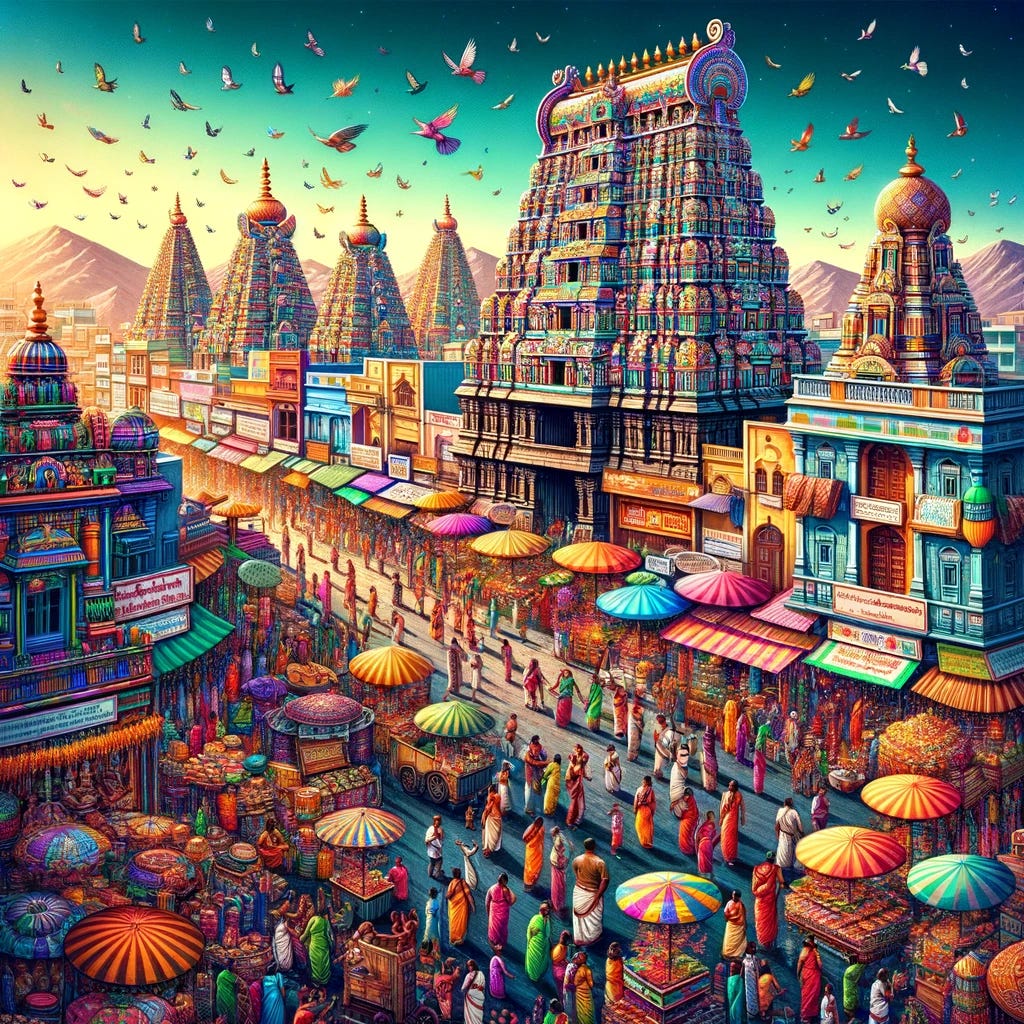
Festival of Weeks celebration with family in the year 2022
Festival of Weeks celebration with family in the year 2022. Credit: www.latimes.com

Historical Significance of the Festival

The Festival of Weeks, also known as Shavuot, holds immense historical significance in Jewish tradition. It commemorates the giving of the Torah at Mount Sinai and the culmination of the seven-week counting period between Passover and Shavuot.

Ancient Origins

Shavuot dates back to ancient times and has agricultural roots. It was originally celebrated as a harvest festival in the Land of Israel. It marked the end of the barley harvest and the beginning of the wheat harvest, with offerings brought to the Temple in Jerusalem.

Religious Observance

Today, the Festival of Weeks is observed by Jewish communities worldwide with special prayers, readings from the Torah, and the custom of staying up all night to study Jewish texts. Many also partake in dairy foods like cheesecakes and blintzes.

Harvest celebration during the Festival of Weeks in the year of 2021
Harvest celebration during the Festival of Weeks in the year of 2021. Credit: www.amazon.com

Traditions and Celebrations

The Festival of Weeks, also known as Shavuot, is a significant Jewish holiday that is celebrated to mark the giving of the Torah at Mount Sinai. This ancient tradition is observed 50 days after Passover, falling in the late spring or early summer. It is a time of joy, gratitude, and communal gatherings to commemorate the receiving of the divine laws. Understanding the customs and celebrations surrounding this festival can provide valuable insights into Jewish culture and history.

The Meaning Behind Shavuot

Shavuot holds great importance in Judaism as it symbolizes the covenant between God and the Jewish people. It is a time to honor the sacred connection between the community and the divine. The holiday emphasizes the significance of Torah study, prayer, and reflection.

On this day, many Jewish individuals participate in all-night study sessions called Tikkun Leil Shavuot, engaging in discussions on various religious texts and teachings. This tradition fosters a sense of unity and shared learning among participants.

Celebratory Practices and Customs

During Shavuot, it is customary to consume dairy-based foods like cheese and cheesecake. This tradition is linked to the idea of the Torah being compared to milk and honey, representing the sweetness and nourishment derived from studying its laws.

  • The act of decorating homes and synagogues with flowers and greenery is a common practice during this festival, symbolizing the beauty and renewal associated with the giving of the Torah.
  • Many communities also take part in charitable acts and donate to those in need as a way of expressing gratitude for the blessings received throughout the year.
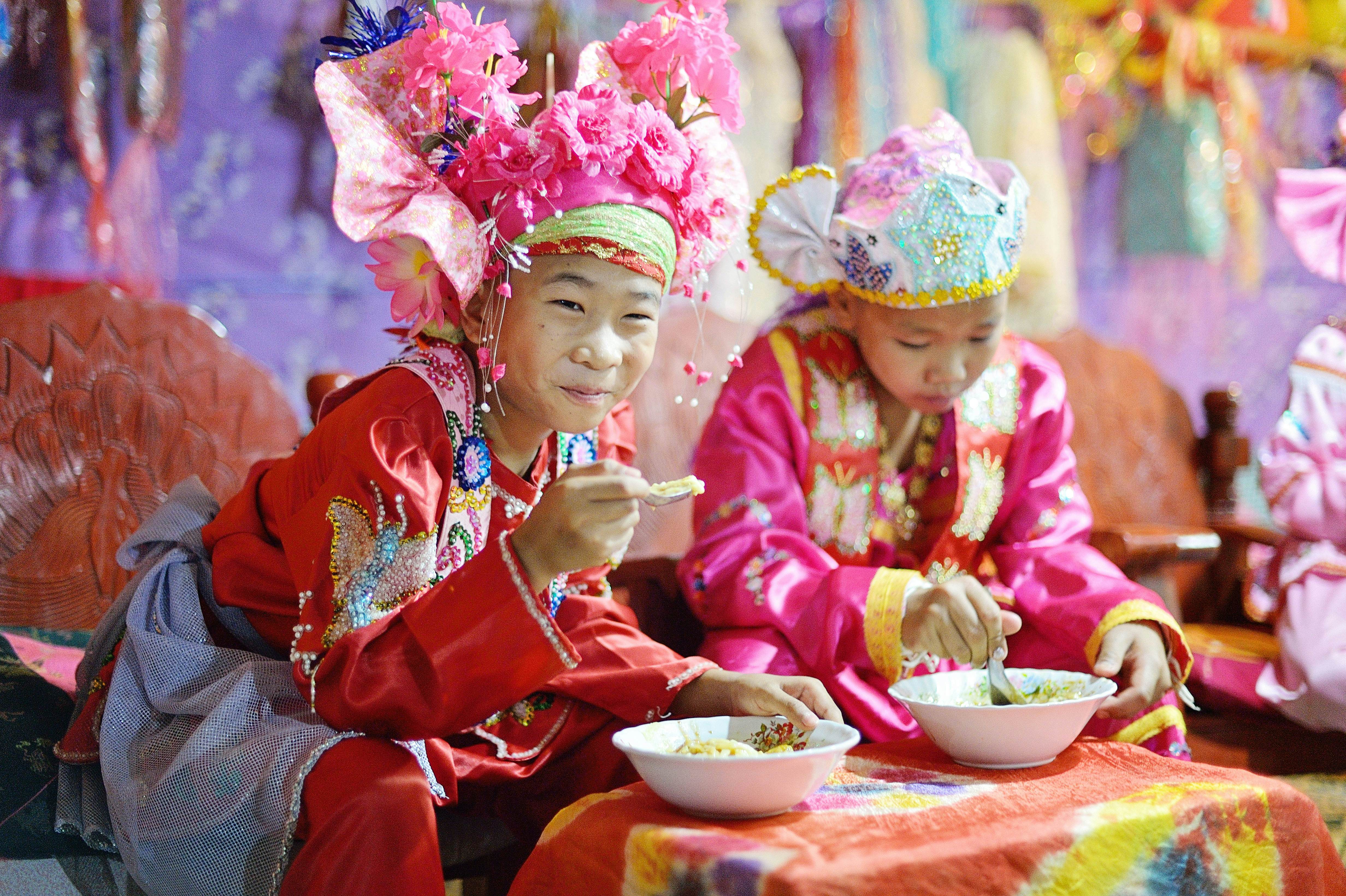
Celebrating the Festival of Weeks with traditional customs in the year 2022
Celebrating the Festival of Weeks with traditional customs in the year 2022. Credit: www.lonelyplanet.com

Symbolism and Meaning

The Festival of Weeks, known as Shavuot in Hebrew, holds deep symbolic meaning in Jewish tradition. It commemorates the giving of the Torah at Mount Sinai and the harvest of the first fruits. This festive occasion carries spiritual significance, celebrating the covenant between God and the Jewish people.

Significance of the Torah

The Torah, the sacred text of Judaism, symbolizes guidance, wisdom, and divine teachings. During the Festival of Weeks, Jews reflect on the importance of living according to the commandments outlined in the Torah. This spiritual journey strengthens their faith and commitment to God’s word.

Celebrating the Harvest

Another vital aspect of the Festival of Weeks is the agricultural theme, highlighting the bounty of the land and the blessings of the harvest season. Participants offer gratitude for the abundance of food and resources provided by the earth. This practice fosters a sense of appreciation and humility towards nature.

Modern Observance of the Festival

The Festival of Weeks, also known as Shavuot, is celebrated by Jewish communities around the world. It falls 50 days after Passover and holds immense significance. In modern times, the observance of this festival has evolved to incorporate both traditional rituals and contemporary customs.

Community Gatherings and Prayers

Many communities come together for special prayers and services during the Festival of Weeks. Synagogues host study sessions focusing on the Torah and its teachings, emphasizing the importance of education and spiritual growth.

Participants engage in deep introspection and reflection, seeking to strengthen their connection with their faith.

Culinary Traditions

Food plays a significant role during Shavuot. Cheesecakes and dairy-based dishes are commonly enjoyed to symbolize the sweetness of the Torah. Families gather for festive meals, where dairy delicacies take center stage.

  • Blintzes
  • Cheese platters
  • Traditional kugel

Connection to Other Festivals

When exploring the significance of the Festival of Weeks, it is fascinating to note its connections to other festivals celebrated around the world. This ancient tradition, also known as Shavuot, bears similarities to various harvest festivals in different cultures.

Harvest Festival Connections

Many cultures mark the end of the harvest season with festivities and gratitude for the bountiful yield. The Festival of Weeks, like these harvest celebrations, emphasizes thankfulness for the gifts of the land and the importance of unity.

Cultural Exchange

The exchange of agricultural practices and rituals between different regions has influenced the customs of diverse festivals. Understanding these cultural exchanges can enrich our appreciation for the shared traditions that emphasize community and gratitude.

Frequently Asked Questions

    • What is the Festival of Weeks?
    • The Festival of Weeks, also known as Shavuot in Jewish tradition, is a biblical holiday celebrated seven weeks after Passover. It commemorates the giving of the Torah at Mount Sinai and the end of the grain harvest in Israel.
    • How is the Festival of Weeks celebrated?
    • Celebrations of the Festival of Weeks vary among different cultures and religions. In Jewish tradition, it involves reading the Book of Ruth, eating dairy foods, and participating in synagogue services. In Christian tradition, it is known as Pentecost and marks the descent of the Holy Spirit upon the apostles.
    • What is the significance of the Festival of Weeks?
    • The Festival of Weeks holds deep spiritual significance for both Jews and Christians. For Jews, it commemorates the receiving of the Torah, while for Christians, it marks the birth of the Christian Church through the outpouring of the Holy Spirit.
    • How long does the Festival of Weeks last?
    • The Festival of Weeks typically lasts one to two days, depending on the religious or cultural tradition being observed. In Jewish tradition, it is a one-day holiday in Israel and a two-day holiday in the diaspora.
    • Are there any traditional foods associated with the Festival of Weeks?
    • Yes, there are traditional foods associated with the Festival of Weeks. In Jewish tradition, dairy foods such as cheesecakes and blintzes are often consumed during this holiday.

In Conclusion: Exploring the Rich Tradition of the Festival of Weeks

As we conclude our journey into the ancient tradition of the Festival of Weeks, we have uncovered a wealth of significance and meaning behind this revered observance. From its agricultural roots to its spiritual importance, this festival symbolizes the connection between the people of Israel and their faith. It serves as a reminder of gratitude for the harvest, a celebration of community, and a time for reflection and renewal.

Understanding the essence of Shavuot or Pentecost sheds light on the deep-rooted customs that have been passed down through generations. It highlights the unity and continuity of Jewish traditions and emphasizes the importance of commemorating historical milestones. May this festival inspire us all to appreciate our heritage and embrace the values it imparts.
Filed Under: BLOG

The Festival of Unleavened Bread

September 5, 2024 by FF25Zl48PJRrGoRIiXgbBgcV Leave a Comment

Have you ever wondered what the Festival of Unleavened Bread truly signifies? This ancient Jewish tradition holds deep cultural and religious significance that is worth exploring. The Festival of Unleavened Bread, also known as Passover, is a celebration that commemorates the Israelites’ liberation from slavery in Egypt. During this week-long festival, participants consume unleavened bread to symbolize the haste with which the Israelites fled Egypt. It is a time of remembrance, reflection, and renewal, filled with rich traditions and rituals. Join us as we delve into the meanings behind this sacred festival, uncover its traditions, and explore the enduring relevance of the Festival of Unleavened Bread in today’s world.

Gospel of the Day (Mark 14,1-72.15,1-47)

The Passover and the Feast of Unleavened Bread were to take place in two days’ time. So the chief priests and the scribes were seeking a way to arrest Jesus by treachery and put him to death.https://t.co/gwXbvaKbM6 pic.twitter.com/2FfWLjBC3T

— Vatican News (@VaticanNews) March 24, 2024

Introduction to the Festival of Unleavened Bread

The Festival of Unleavened Bread is a significant event in the Jewish calendar, commemorating the Exodus of the Israelites from Egypt. It is a week-long festival that immediately follows Passover and holds deep spiritual and historical importance for the Jewish community.

Symbolism and Meaning

The absence of leaven during this festival symbolizes the haste in which the Israelites left Egypt, as they did not have time for their bread to rise. It also represents a time of purification and a reminder of the hardships endured during their slavery.

During this time, Jews eat matzo, unleavened bread, to honor their ancestors’ journey towards freedom. The festival serves as a time for reflection, repentance, and renewal of spiritual commitments.

Celebration and Traditions

Traditionally, families engage in a thorough cleaning of their homes to remove all traces of leaven, a practice known as Chametz. This symbolic act signifies the removal of pride and ego to embrace humility.

Throughout the week, special meals are prepared using unleavened ingredients, and the first and last days of the festival are observed as sacred gatherings and rest days.

Traditional unleavened bread consumed during the Festival of Unleavened Bread in 2021
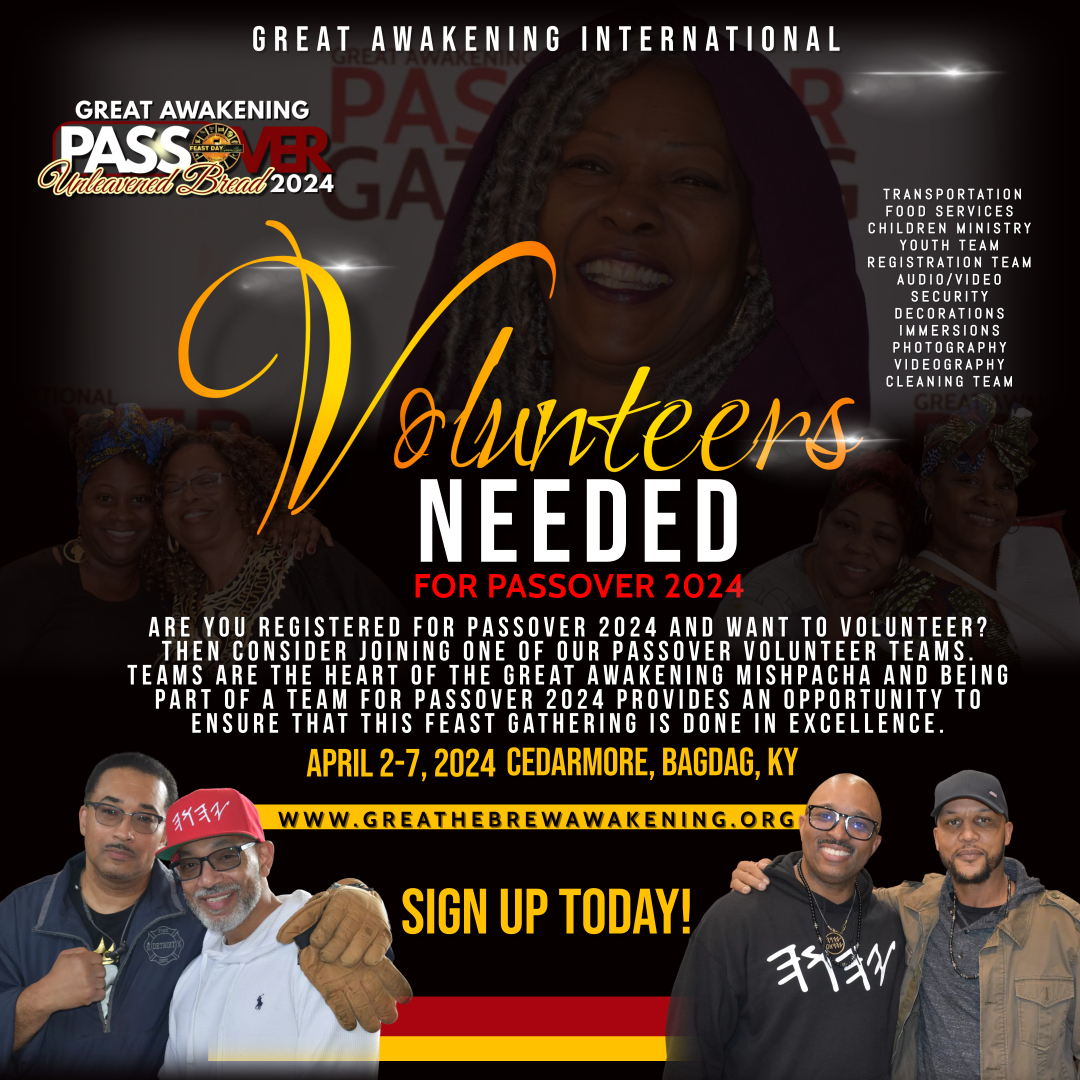
Traditional unleavened bread was consumed during the Festival of Unleavened Bread in 2021. Credit: www.greathebrewawakening.org

Historical Significance of the Festival

The Festival of Unleavened Bread holds immense historical significance, dating back thousands of years. This ancient tradition is rooted in the story of the Israelite exodus from Egypt, as detailed in the Old Testament of the Bible. The festival commemorates their hasty departure, where they did not have time to let their bread rise, leading to the consumption of unleavened bread during their journey to freedom.

Origins in Biblical History

The origins of the Festival of Unleavened Bread are closely intertwined with the Passover story. According to the Book of Exodus, it is said that the Israelites were instructed to eat unleavened bread and bitter herbs as a way to remember the bitterness of slavery and the haste with which they had to leave Egypt.

This tradition symbolizes the Israelites’ liberation from bondage and their journey toward a promised land of freedom and prosperity.

Modern Observance and Cultural Significance

Today, the Festival of Unleavened Bread is observed by Jewish communities worldwide as a time of remembrance, reflection, and celebration. Families come together to share special meals featuring unleavened bread, known as matzah, and participate in rituals that honor their ancestors’ struggles and triumphs.

Image:

Meaning and Symbolism of Unleavened Bread

Unleavened bread holds significant meaning and symbolism in the observance of the festival. It represents the haste with which the Israelites left Egypt during Exodus, as they did not have time to let their bread rise. This unleavened bread, also known as matzah, is a reminder of the humility and simplicity required during times of transition and obedience.

Symbolism of Unleavened Bread

The absence of leaven symbolizes purification and removal of sin in preparation for a fresh start. The flat and plain nature of unleavened bread signifies the removal of pride and extravagance, focusing instead on humility and gratitude for freedom.

It also symbolizes the reliance on God’s provision, as the Israelites depended solely on Him during their journey through the wilderness. This act of faith is a central theme in the observance of the festival.

Importance of Matzah in Traditions

During the festival, matzah serves as a key element in various rituals and ceremonies. Its unleavened nature serves as a reminder of historical events and calls for introspection, repentance, and gratitude for liberation.

Matzah is often broken and shared during Passover Seders, symbolizing unity and community. It is also used in the reenactment of the Exodus story, adding a multi-sensory experience that deepens the understanding of ancestral traditions and faith.

Traditional Practices during the Festival

During the Festival of Unleavened Bread, which typically falls in the spring, families and communities come together to celebrate this ancient tradition. One of the key practices during this festival is the removal of leavened products from households, symbolizing the removal of sin and impurity from one’s life.

Preparation and Cleaning

Leading up to the festival, families engage in a thorough cleaning of their homes, especially the kitchen, to rid them of any traces of leavened products. This practice signifies a fresh start and a commitment to living a pure and holy life during the festival period.

Many also prepare special unleavened bread, known as matzo, which becomes a staple food during the festival. This unleavened bread serves as a reminder of the haste with which the Israelites left Egypt during Exodus.

Special Meals and Offerings

Throughout the festival, special meals are prepared that adhere to the dietary restrictions of consuming only unleavened products. Families gather for festive meals that often include symbolic foods such as bitter herbs and lamb, recalling the sacrifices made by their ancestors.

Moreover, offerings are made at the temples during this time as a sign of gratitude and devotion to God. These offerings typically consist of the first fruits of the harvest, showcasing an appreciation for God’s provision.

Symbolic Practice During the Festival of Unleavened Bread in the Current Year
Symbolic Practice During the Festival of Unleavened Bread in the Current Year. Credit: eliyah.com

Modern Celebrations and Observations

Modern observance of the Festival of Unleavened Bread revolves around the symbolic significance of unleavened bread and the act of removing leaven from homes. Families commemorate this time with gatherings, meals, and religious ceremonies. It is an opportunity for reflection on the journey of the Israelites and the importance of faith and obedience.

Traditional Foods

During the Festival of Unleavened Bread, traditional foods are prepared, emphasizing the use of unleavened bread or matzah, bitter herbs, and other symbolic dishes. The act of consuming unleavened bread represents the haste in which the Israelites left Egypt, forgoing the time needed for bread to rise.

Family Rituals

Families partake in rituals such as the removal of leaven from their homes before the festival begins, symbolizing the removal of sin and impurities. Prayers and reflections often accompany this act of personal growth and spiritual cleansing.

Frequently Asked Questions

    • What is the Festival of Unleavened Bread?
    • The Festival of Unleavened Bread is a Jewish holiday that commemorates the Israelites’ departure from ancient Egypt and their liberation from slavery.
    • When is the Festival of Unleavened Bread typically celebrated?
    • The Festival of Unleavened Bread usually occurs in the spring, immediately following Passover. It lasts for seven days, with the first and last days being considered as special Sabbaths.
    • Why is it called the Festival of Unleavened Bread?
    • It is named as such because, during the festival, participants are not allowed to eat or possess any leavened products. This symbolizes the Israelites’ haste in leaving Egypt, where they did not have time to let their bread rise.
    • What are some of the traditional activities or practices associated with the Festival of Unleavened Bread?
    • Some traditional activities during the festival include removing all leavened products from the home before it begins, eating unleavened bread (Matzah), and holding special meals called Sedarim.
    • Is the Festival of Unleavened Bread observed only by Jewish people?
    • Primarily, the Festival of Unleavened Bread is a Jewish holiday. However, some Christian denominations also observe it as a way to remember the events leading to Jesus Christ’s crucifixion and resurrection, as it coincided with the Jewish Passover.

Unlocking the Meaning Behind The Festival of Unleavened Bread

As we delve into the significance and traditions of the Festival of Unleavened Bread, we uncover a rich tapestry of historical, religious, and cultural elements that span centuries. This festival, rooted in the biblical account of the Israelite exodus from Egypt, serves as a reminder of God’s deliverance and the importance of spiritual purity. The removal of leaven symbolizes the removal of sin from our lives, fostering introspection and renewal. Through the observance of unleavened bread, we connect with ancient traditions and embrace the timeless values of faith, freedom, and gratitude. Let this celebration inspire us to reflect on our spiritual journey and the eternal truths it embodies.

Filed Under: BLOG

What is the Cannes Film Festival?

September 5, 2024 by FF25Zl48PJRrGoRIiXgbBgcV Leave a Comment

The Cannes Film Festival, one of the most prestigious events in the global film industry, is a glamorous celebration of cinema that attracts filmmakers, stars, and cinephiles from around the world. But what exactly is the Cannes Film Festival? It is an annual event held in Cannes, France, showcasing a diverse selection of films, from independent productions to major studio releases. More than just a film festival, Cannes is a platform where new talent is discovered, artistic achievements are recognized, and cinematic trends are set. Join us as we delve into the essence of the Cannes Film Festival, uncovering its history, significance, and the allure that makes it a Mecca for film enthusiasts worldwide.

pic.twitter.com/aFC7QGLrV3

— Cannes Film Festival (@cannes) May 11, 2024

Introduction to the Cannes Film Festival

The Cannes Film Festival is one of the most prestigious and well-known film festivals globally, and it is held annually in Cannes, France. It showcases a diverse selection of films from around the world, ranging from independent films to big-budget productions. Founded in 1946, the festival attracts actors, filmmakers, and celebrities, making it a hotspot for glamour and cinema.

History of the Cannes Film Festival

The history of the Cannes Film Festival dates back to 1939 when it was proposed. However, the first official festival took place in September 1946, where films from 16 countries were screened. Over the years, it has grown in stature and popularity, becoming a significant event in the film industry.

Key Features of the Cannes Film Festival

One of the unique aspects of the Cannes Film Festival is the Palme d’Or award, which was presented to the best film in the competition. The festival also includes other prestigious awards like the Grand Prix, Best Director, and Best Actor/Actress. Celebrities walk the red carpet in stunning outfits, adding to the glamour of the event.

Cannes Film Festival red carpet event in [current year]
Cannes Film Festival red carpet event in [current year]. Credit: www.dailymail.co.uk

History and Origins

The Cannes Film Festival, dating back to 1946, is one of the most prestigious and glamorous events in the film industry worldwide. Initially slated for September 1939, the festival was canceled due to World War II. The first official festival took place in 1946, becoming a symbol of revival and celebration post-war.

Evolution Over the Years

Initially conceived to rival the Venice Film Festival, Cannes quickly surpassed its Italian counterpart, becoming synonymous with glitz, glamour, and A-list celebrities.

Inaugural Year Highlights

In its first edition, Cannes showcased films from twenty-one countries, including classics like “The Lost Weekend” and “Rome, Open City.” The Grand Prix award went to the movie “Brief Encounter,” marking the festival’s launch on a high note.

Vibrant atmosphere of the Cannes Film Festival, showcasing its allure in the year of what is the Cannes film festival
The vibrant atmosphere of the Cannes Film Festival showcases its allure in the year of what the Cannes Film Festival is. Credit: www.wfcn.co

Significance and Impact

The Cannes Film Festival, held annually in Cannes, France, is one of the most prestigious and glamorous events in the film industry. What is The Cannes Film Festival known for its red carpet premieres, high-profile guests, and celebration of cinematic excellence?

Global Recognition

The festival offers a platform for filmmakers from around the world to showcase their work and gain international recognition. What is the Cannes Film Festival br>It serves as a hub for industry professionals to network, negotiate deals, and discover new talent.

Cinematic Influence

Winning a coveted award at Cannes can significantly impact a film’s reputation and success. Movies that receive accolades at the festival often experience increased box office sales and critical acclaim. The Cannes Film Festival has the power to launch careers and shape the future of cinema.

Glamorous Cannes Film Festival Red Carpet - 2022
Glamorous Cannes Film Festival Red Carpet – 2022. Credit: in.pinterest.com

Participation and Selection Process

The Cannes Film Festival is an exclusive event where filmmakers, actors, and industry professionals from around the world come together to showcase their work and celebrate cinema. To participate in the festival, filmmakers must submit their films for consideration by a selection committee.

Submission Process

Filmmakers interested in showcasing their work at Cannes must submit their films through the official festival website. The submission typically includes a completed entry form, a screener of the film, and any additional required materials.

Selection Committee

The selection process at the Cannes Film Festival is highly competitive, with a panel of experienced industry professionals carefully reviewing each submission to determine which films will be included in the official lineup. Only the best of the best are chosen to be part of the prestigious event.

Famous Films and Stars

One of the most anticipated aspects of the Cannes Film Festival is the premiere of famous films featuring A-list stars from around the world. These films often become the talk of the town and set the tone for the festival.

Blockbuster Premieres

Each year, Cannes showcases a mix of critically acclaimed films that draw large audiences and generate significant buzz. Some of these films go on to become award-winning masterpieces.

One notable film from recent years that premiered at Cannes and garnered widespread acclaim was “Parasite,” directed by Bong Joon-ho.

Star-Studded Red Carpet

Stars flock to Cannes not only to promote their films but also to dazzle on the red carpet. The festival is a glamorous affair where celebrities showcase their latest fashion choices and mingle with fans and the press.

  • Actresses like Cate Blanchett and actors such as Brad Pitt have graced the Cannes red carpet in recent years, adding to the festival’s allure.

Cultural and Economic Influence

The Cannes Film Festival holds immense cultural and economic influence, attracting filmmakers, stars, and film enthusiasts worldwide. This prestigious event not only celebrates the art of cinema but also sets trends for the global film industry.

Cultural Impact

The festival showcases a diverse range of films, reflecting different cultures and perspectives. It serves as a platform for filmmakers to express their creativity and share unique stories with a global audience.

Moreover, the Cannes Festival’s cultural significance extends beyond movies, influencing fashion trends, beauty looks, and red-carpet styles.

Economic Contribution

The economic impact of the Cannes Film Festival is substantial, generating revenue for the local economy through tourism, hospitality, and associated events.

  • Each year, the festival attracts high-spending tourists, filling hotels, restaurants, and shops in the French Riviera.
  • Furthermore, the festival serves as a marketplace for film deals, distribution agreements, and collaborations, boosting the global film industry.

Evolution Over the Years

The Cannes Film Festival has evolved significantly over the years since its inception in 1946. Initially, the festival aimed to provide a platform for European cinema post-World War II. However, as time passed, it gained international recognition and expanded its scope to encompass films from all over the world.

Technological Advancements

With technological advancements, the festival embraced digitalization, allowing filmmakers to submit their entries online and revolutionizing the selection process. This change has made the festival more accessible to a global audience.

Increased Diversity

Over the years, the Cannes Film Festival has also diversified its lineup by including films that explore a wide range of themes and genres. This move has made the festival more inclusive and reflective of the diverse cinematic landscape.

  • Foreign Language Films
  • Independent Productions
  • Experimental Cinema

Frequently Asked Questions

    • What is the history of the Cannes Film Festival?
    • The Cannes Film Festival is an annual film festival held in Cannes, France, which previews new films of all genres, including documentaries, from around the world. It was founded in 1946 and has since become one of the most prestigious film festivals in the world.
    • Why is the Cannes Film Festival considered prestigious?
    • The Cannes Film Festival is considered prestigious because it showcases some of the best films from around the world and attracts top filmmakers, actors, and industry professionals. Winning a prize at Cannes is a significant achievement in the film industry.
    • How is the Cannes Film Festival different from other film festivals?
    • The Cannes Film Festival is known for its glamour and exclusivity. It is not only a platform for film screenings, but also a place where deals are made, stars are born, and trends are set. The festival’s red carpet-events and award ceremonies attract worldwide attention.
    • Who can attend the Cannes Film Festival?
    • The Cannes Film Festival is primarily an industry event, meaning attendance is usually restricted to film industry professionals, journalists, and accredited guests. However, there are some public screenings and events that allow general audiences to participate.
    • What are some famous films that premiered at the Cannes Film Festival?
    • Many iconic films have premiered at the Cannes Film Festival, including ‘Pulp Fiction,’ ‘Apocalypse Now,’ ‘La Dolce Vita,’ ‘Taxi Driver,’ and ‘Parasite.’ These films have gone on to achieve critical acclaim and success worldwide.

Unveiling the Glamour: What is the Cannes Film Festival?

Final Thoughts

As we conclude our exploration of the Cannes Film Festival, it becomes apparent that this prestigious event is more than just a renowned film festival; it is a celebration of artistic excellence, cinematic innovation, and international collaboration. From the red-carpet premieres to the thought-provoking film screenings, Cannes continues to captivate audiences worldwide with its glamour and cultural significance. Understanding what the Cannes Film Festival represents sheds light on the immense impact it has on the film industry and the global art scene. It is a melting pot of talent, creativity, and inspiration, making it a truly unforgettable experience for all involved.

Filed Under: BLOG

What is Indian Festival Today

September 5, 2024 by FF25Zl48PJRrGoRIiXgbBgcV Leave a Comment

India, a land of rich cultural diversity, is known for its vibrant festivals that celebrate various traditions and beliefs. Have you ever wondered, “What is the Indian festival today?” This blog aims to unravel the essence of the day’s festivities, shedding light on the significance, rituals, and joyous celebrations that mark these occasions. From colorful Holi to spiritual Diwali, each festival in India encapsulates stories, myths, and traditions that have been passed down through generations. Join us on a delightful journey as we explore the tapestry of Indian festivals, understanding their unique customs and the sense of unity and togetherness they bring to the diverse tapestry of Indian society.

Join us at the India Art Festival, a vibrant celebration of art and creativity! Explore the works of 450 talented artists, 30 renowned art galleries, and 3500 captivating artworks. Immerse yourself in live performances, mesmerizing fusion shows pic.twitter.com/cklbQ5K5SK

— India Art Festival (@indiaartfestiva) August 22, 2024

Introduction to Indian Festivals

Indian festivals are a vibrant tapestry of culture, tradition, and spirituality. They reflect the rich diversity and unity of the country. Celebrated with much zeal and enthusiasm, these festivals encapsulate the essence of India’s history and ethos.

The Cultural Mosaic

Each festival in India has a unique significance, and associated rituals and customs vary from region to region. From Holi, the festival of colors, to Diwali, the festival of lights, each celebration showcases different aspects of Indian culture and beliefs. What is an Indian festival today?

The Festive Spirit

Indian festivals are not just about rituals; they are also about community bonding, sharing joy, and spreading positivity. People come together to celebrate and exchange greetings, sweets, and gifts, fostering relationships and goodwill among all amidst the festive fervor.

  • Unity in Diversity
  • Tradition and modernity coexist harmoniously
  • Respect and reverence toward cultural heritage
Indian festive celebrations showcasing the unity and diversity - what is the essence of Indian festivals today
Indian festive celebrations showcase unity and diversity – what is the essence of Indian festivals today? Credit: medium.com

Significance of Celebrating Festivals

Indian festivals hold immense cultural and social significance, reflecting the rich heritage and diversity of the country. They provide a platform for communities to come together and celebrate traditions that have been passed down through generations. Festivals serve as a time for joy, feasting, and spreading positivity among individuals. They also act as a reminder of the country’s unity amidst diversity, fostering a sense of belonging and shared identity.

Enhancing Social Bonds

Celebrating festivals brings people closer and strengthens interpersonal relationships within families and communities. It encourages social interaction and promotes unity among individuals, irrespective of their backgrounds or beliefs.

Promoting Cultural Heritage

Each festival in India has its unique rituals, traditions, and practices that are deeply rooted in the country’s history. By observing these festivals, people pay homage to their cultural heritage and keep age-old customs alive for future generations.

Feasting and Festivities

Indian festivals are synonymous with delicious food, vibrant decorations, and lively celebrations. They provide an opportunity for people to indulge in festive delicacies, wear traditional attire, and participate in various cultural activities, adding joy and color to their lives.

Exploring Today’s Indian Festival

As we delve into what an Indian festival is today, it’s essential to look at the vibrant celebrations happening across the country. The current year has witnessed a blend of traditional customs and modern influences shaping the festivities.

Traditional Rituals Reimagined

Indian festivals today are a fusion of time-honored traditions and contemporary elements, reflecting the cultural evolution of society. From elaborate rituals to innovative ceremonies, each celebration embraces the essence of the past amidst a modern context.

Innovative Festive Decor

Decor plays a crucial role in the ambiance of Indian festivals. In today’s scenario, decorations have evolved to include eco-friendly themes and sustainable materials, aligning with the green initiatives of the present era. From intricate rangolis to elegant floral arrangements, creativity knows no bounds.

Rituals and Traditions

Indian festivals today are a beautiful amalgamation of age-old rituals and modern traditions. These celebrations are deeply rooted in the cultural fabric of the country, reflecting its rich heritage and diverse religious beliefs.

Traditional Practices

One of the key aspects of Indian festivals is the performance of traditional rituals that vary based on the occasion and region. From lighting diyas during Diwali to offering prayers during Navratri, each festival has its unique set of customs.

These rituals hold immense significance as they are believed to bring good luck, prosperity, and happiness to individuals and their families.

Community Bonding

Another vital element of Indian festivals is the spirit of community bonding they foster. People come together to celebrate, share festive joy, and participate in cultural events.

  • Neighbors exchange sweets and gifts.
  • Communities organize feasts and cultural programs.
  • Families visit temples and shrines together

Cultural Inspirations

Indian festivals today are a rich tapestry of cultural inspirations, blending traditional customs with modern interpretations. The vibrant colors, intricate rituals, and age-old traditions reflect the essence of India’s diverse heritage.

Traditional Rituals

Deep-rooted in history, Indian festivals today embrace traditional rituals that have been passed down through generations. These rituals symbolize spiritual beliefs and hold significant cultural value. They bring communities together in celebration.

Modern Interpretations

While preserving their traditional essence, Indian festivals today also witness modern interpretations and adaptations. These interpretations add a touch of contemporary flair to the festivities. Festivals evolve with changing times, allowing for creativity and innovation in celebration styles.

Community Celebrations

Community celebrations play an integral role in the vibrant tapestry of Indian festivals. Each region in India boasts unique customs and traditions that contribute to the country’s rich cultural heritage.

Traditional Rituals

During these celebrations, families gather to partake in age-old rituals that have been passed down for generations. These rituals often involve prayers, offerings, and symbolic gestures symbolizing unity and prosperity.

Cultural Performances

The festivities are further enhanced by colorful cultural performances that showcase traditional dances, music, and art forms. These performances enliven the atmosphere and highlight the diversity of Indian culture.

Frequently Asked Questions

    • What Indian festival is being celebrated today?
    • The festival being celebrated today in India varies depending on the specific date. India celebrates a wide range of festivals throughout the year that have cultural, religious, and regional significance.
    • How do Indians typically celebrate festivals?
    • Indians celebrate festivals with a lot of enthusiasm and zeal. Celebrations vary based on the festival, but common practices include decorating homes, preparing traditional dishes, wearing new clothes, exchanging gifts, and participating in rituals and prayers.
    • Why are festivals important in Indian culture?
    • Festivals play a significant role in Indian culture as they bring communities together, promote traditions and values, and offer an opportunity for people to take a break from their routine life and celebrate with joy and happiness.
    • Are Indian festivals only religious?
    • While many Indian festivals have religious origins and andsignificante festivals celebrate seasons, harvests, relationships, and cultural practices, festivals in India are diverse and encompass a wide range of themes.
    • What are some popular Indian festivals celebrated across the country?
    • Some popular Indian festivals celebrated across the country include Diwali, Holi, Eid, Christmas, Navratri, Durga Puja, and many more. Each festival has its unique customs and traditions.

Unlocking the Essence of Indian Festivals Today

As we delve into the rich tapestry of Indian festivals today, we unravel a vibrant mosaic of traditions, culture, and spirituality that define the essence of these celebrations. From the colorful festivities of Holi to the auspicious rituals of Diwali, each festival embodies a unique significance that reflects the diverse heritage of India. Through our exploration, we have discovered that Indian festivals serve as a beacon of unity, joy, and togetherness, fostering a sense of community and belonging among people. These celebrations not only commemorate religious events but also convey profound moral and social messages that resonate with people of all backgrounds. In essence, Indian festivals today continue to be a testimony to the country’s rich cultural heritage and the enduring spirit of togetherness.

Filed Under: BLOG

Renaissance Festival

September 5, 2024 by FF25Zl48PJRrGoRIiXgbBgcV Leave a Comment

Step into a world where history, art, and magic collide – welcome to the enchanting realm of Renaissance festivals! But wait, what exactly is a Renaissance festival? Let’s unravel the mystery. A Renaissance festival is a lively, immersive event that transports attendees back to the vibrant era of the Renaissance, a period in European history known for its flourishing creativity and cultural rebirth. These festivals are a celebration of all things medieval, featuring jousting matches, intricate costumes, traditional music and dance, artisan markets, and delectable feasts fit for kings and queens.

TRF has four unique wedding venues and other event spaces, there is no place more suited to commit yourself to your beloved.

For fans of fantasy, history, and romance alike, the Texas Renaissance Festival is a fine place to be wed!

Plan your happily ever after with us! pic.twitter.com/OQm3vdyZkA

— 𝑻𝒆𝒙𝒂𝒔 𝑹𝒆𝒏𝒂𝒊𝒔𝒔𝒂𝒏𝒄𝒆 𝑭𝒆𝒔𝒕𝒊𝒗𝒂𝒍 (@texrenfest) June 28, 2024

Introduction to Renaissance Festivals

Renaissance Festivals, also known as Ren Faires, are immersive events that transport attendees back to the 16th century. These festivals celebrate the richness of the Renaissance period through music, food, art, and performances. Visitors can experience jousting tournaments, costumed performers, artisan vendors, and interactive activities that capture the spirit of the Renaissance era.

Artisan Vendors at Renaissance Festival 2022
Artisan Vendors at Renaissance Festival 2022. Credit: cronkitenews.azpbs.org

Evolution of Renaissance Festivals

Renaissance Festivals have evolved over the years, growing from small gatherings to large-scale events attracting thousands of visitors. Initially focused on historical accuracy, modern Ren Faires now blend authenticity with entertainment, appealing to a wide audience.

Key Elements of a Renaissance Festival

Ren Faires typically feature period-appropriate costumes, themed stages, and diverse entertainment options. Attendees can enjoy musical performances, theatrical acts, comedy shows, and educational demonstrations showcasing various aspects of Renaissance culture.

Historical Origins of Renaissance Festivals

Renaissance festivals have a rich history that dates back to the 20th century in the United States. The resurgence of interest in medieval and Renaissance culture led to the creation of these immersive events that recreate the ambiance of a bygone era.

Evolution of Renaissance Festivals

Originally starting in the 1960s in California, Renaissance festivals aimed to transport attendees back in time to experience life as it was during the Renaissance period. The festivals borrowed elements from various historical eras, including medieval, Elizabethan, and Victorian.

Over time, these events evolved to incorporate a wide range of activities, such as jousting tournaments, historical reenactments, artisan markets, and live performances, making them popular cultural attractions for people of all ages.

Renaissance Festival Costumes

One of the most iconic aspects of Renaissance festivals is the elaborate costumes worn by attendees. Participants often dress in period-appropriate attire, including corsets, doublets, bodices, and cloaks, to fully immerse themselves in the historical experience.

  • Common Renaissance festival costumes include:
    • Peasant garb
    • Noble attire
    • Fantasy-inspired costumes

Key Features and Attractions of Renaissance Festivals

Renaissance festivals are immersive events that transport attendees back in time to experience the culture, art, and entertainment of the Renaissance period. These festivals offer a plethora of unique attractions that captivate visitors of all ages.

Live Entertainment

One of the main draws of Renaissance festivals is the live entertainment, including jousting tournaments, Shakespearean performances, musical acts, and interactive storytelling. Visitors can witness skilled artists showcasing their talents in various forms.

Artisan Craftsmanship

Artisan vendors line the streets of Renaissance festivals, offering handcrafted goods such as jewelry, leatherwork, pottery, and clothing. Attendees can watch skilled artisans at work and purchase unique items to commemorate their experience.

Artisan Craftsmanship at a Renaissance Festival in the year 2022
Artisan Craftsmanship at a Renaissance Festival in the year 2022. Credit: www.rfi.fr

Cultural Significance of Renaissance Festivals

Renaissance festivals hold a special place in cultural history, offering a window into the past that delights and educates modern audiences. These events showcase the art, music, food, and clothing of the Renaissance era, providing an immersive experience for attendees.

Preservation of History

One key significance of Renaissance festivals is their role in preserving the history and traditions of the Renaissance period. Through authentic reenactments and displays, visitors are transported back in time to experience the sights and sounds of the past.

The festival-goers can witness jousting tournaments and royal courts that reenact historical events with great attention to detail.

Community Engagement

Renaissance festivals foster a sense of community and unity among attendees. Visitors and participants alike often dress in period costumes, encouraging a shared experience and a sense of connection with the past.

  • Attendees can participate in archery competitions or learn traditional dances as part of the festivities.
  • Food vendors offer turkey legs and mead to enhance the immersive experience further.

Popular Renaissance Festivals Around the World

Renaissance festivals are vibrant celebrations of art, culture, and history that take participants back in time to experience the grandeur of the Renaissance era. These festivals are held in various countries around the world and attract visitors from all walks of life. Let’s explore some of the most popular Renaissance festivals that draw crowds year after year.

1. The Texas Renaissance Festival

The Texas Renaissance Festival, located in Todd Mission, Texas, is one of the largest and most renowned Renaissance festivals globally, attracting over half a million visitors annually. With its themed weekends, jousting tournaments, artisan crafts, and mouthwatering food offerings, this festival offers an immersive experience of the Renaissance era.

2. The Maryland Renaissance Festival

The Maryland Renaissance Festival, held in Crownsville, Maryland, is another beloved event that transports attendees back to the 16th century. Visitors can enjoy lively entertainment, historical reenactments, and a marketplace bustling with vendors selling period-appropriate wares, making it a must-visit for history enthusiasts.

3. The Bristol Renaissance Faire

The Bristol Renaissance Faire in Kenosha, Wisconsin, is a spectacle of Renaissance splendor set in a recreated English village. Attendees can revel in theatrical performances, interactive experiences, and sumptuous feasts, all amidst the charming backdrop of a bygone era.

How to Prepare for a Renaissance Festival Visit

Attending a Renaissance Festival can be an enchanting experience, immersing you in a world of history, culture, and entertainment. To make the most of your visit, follow these tips:

Research the Festival

Before attending, research the festival to understand its theme, attractions, and schedule. Knowing what to expect can help you plan your day effectively.

Costume Selection

**Selecting a unique Renaissance costume** can enhance your experience. Feel free to embrace the era with corsets, tunics, and cloaks. Consider adding medieval accessories for a complete look.

Essentials to Pack

**Don’t forget** to bring essentials like sunscreen, a hat, comfortable shoes, and a water bottle. You may also want to carry a small bag for purchases and souvenirs.

Plan Your Schedule

Make a rough plan of the shows, performances, and activities you want to attend. Arriving early can help you avoid crowds and secure good seats.

Frequently Asked Questions

    • What is a Renaissance Festival?
    • A Renaissance Festival is an event that celebrates the culture, art, and lifestyle of the Renaissance period. It is typically held outdoors and features entertainment, food, crafts, and various performances.
    • When did Renaissance Festivals originate?
    • The concept of Renaissance Festivals originated in the United States in the 20th century as a way to recreate and experience the ambiance and spirit of the Renaissance period.
    • What can one expect to see at a Renaissance Festival?
    • At a Renaissance Festival, attendees can expect to see live performances such as jousting, sword fighting, musical acts, comedy shows, and theatrical plays. There are also artisans selling handmade crafts, costume contests, feasting on period-appropriate food, and more.
    • Do people dress up in costumes for Renaissance Festivals?
    • Yes, many people choose to dress up in period-appropriate costumes when attending Renaissance Festivals. It adds to the overall atmosphere and allows attendees to immerse themselves in the Renaissance experience fully.
    • Are Renaissance Festivals suitable for all ages?
    • Renaissance Festivals are typically family-friendly events that offer activities and entertainment for people of all ages. However, some festivals may include more mature content in certain performances, so it’s always a good idea to check the event schedule or guidelines if attending with children.

Unlocking the Enchantment: Decoding the Essence of a Renaissance Festival

In conclusion, a Renaissance Festival is a captivating journey back in time that celebrates art, culture, and traditions from the 14th to 17th centuries. It offers a unique opportunity to experience an era rich in history, music, dance, and elaborate costumes. Through immersive activities, performances, and artisanal crafts, attendees can truly embrace the spirit of this historical period. Whether you are a history enthusiast, a fan of fantasy worlds, or simply looking for a one-of-a-kind experience, a Renaissance Festival promises magic and wonder for all. So, prepare to be enchanted as you step through the gates of these extraordinary events and let the past come alive before your eyes.

Filed Under: BLOG

Arrows in Fortnite Festival

September 5, 2024 by FF25Zl48PJRrGoRIiXgbBgcV Leave a Comment

Welcome, Fortnite gamers! Are you intrigued by the mysterious arrows that have appeared in the latest Fortnite Festival? These enigmatic symbols have piqued the interest of players worldwide, sparking speculation and theories about their significance. In this blog, we delve deep into the world of Fortnite to unravel the mystery behind these arrows. From their origins to their potential gameplay implications, we aim to provide you with a comprehensive understanding of what these arrows truly represent in the Fortnite Festival. So, grab your controllers and join us on this exciting journey as we uncover the secrets hidden within the Fortnite realm!

brb, covering everything in glitter.

you didn’t think we’d forget the battle stage, did you? 🤭 pic.twitter.com/ySAnREBsiY

— Fortnite Festival (@FNFestival) August 15, 2024

Introduction: Exploring the Fortnite Festival

Fortnite Festival is an exciting event in the gaming world that brings together players from all over the globe. This festival is known for its unique challenges, skins, and items that keep players engaged and entertained.

The Mystery of Arrows in Fortnite

One of the intriguing aspects of the Fortnite Festival is the presence of mysterious arrows scattered throughout the game. These arrows play a significant role in guiding players through different quests and challenges during the festival.

Unraveling the Secret Behind Arrows

As players navigate through the Fortnite Festival, deciphering the purpose of these arrows becomes crucial to progressing in the game. Understanding the significance of each arrow can lead to unlocking hidden treasures and gaining valuable rewards.

Fortnite Festival Arrows - Unveiling the Enigma 2022
Fortnite Festival Arrows – Unveiling the Enigma 2022. Credit: www.chalgyr.com

Overview of Arrows in Fortnite: Understanding Their Significance

In Fortnite, arrows are essential components used for various purposes within the game. These arrows play a vital role in determining the outcome of battles and strategies employed by players.

The Different Types of Arrows

There are several types of arrows available in Fortnite, such as Explosive Arrows, Shockwave Arrows, and Fire Arrows, each with unique effects and abilities.

Strategic Use of Arrows

Players can utilize arrows for a variety of purposes, including long-range attacks, environmental destruction, and strategic positioning during gameplay.

  • Long-range Attacks: Arrows can be used to attack enemies from a distance, providing an advantage in battles.
  • Environmental Destruction: Certain arrows can destroy structures and create new pathways or obstacles.
  • Strategic Positioning: Players can strategically place arrows to control enemy movement and gain a tactical advantage.

Types of Arrows: A Detailed Analysis

Arrows play a crucial role in the Fortnite Festival, offering various strategic advantages to players. Understanding the different types of arrows available can enhance gameplay and increase your chances of success.

Standard Arrows

Standard arrows are the most common type found in the Fortnite Festival. They are versatile and can be used for general combat situations.

These arrows are essential for long-range attacks and can deal significant damage to opponents. Proper aim and timing are crucial when using standard arrows to ensure accuracy.

Elemental Arrows

Elemental arrows are imbued with elemental powers, such as fire, ice, or electricity, adding additional effects to your attacks.

Using elemental arrows strategically can provide extra advantages in battles, such as slowing down enemies or causing additional damage over time.

  • Fire Arrows: Inflict burn damage on targets
  • Ice Arrows: Slow down enemy movement
  • Electric Arrows: Disrupt enemy shields
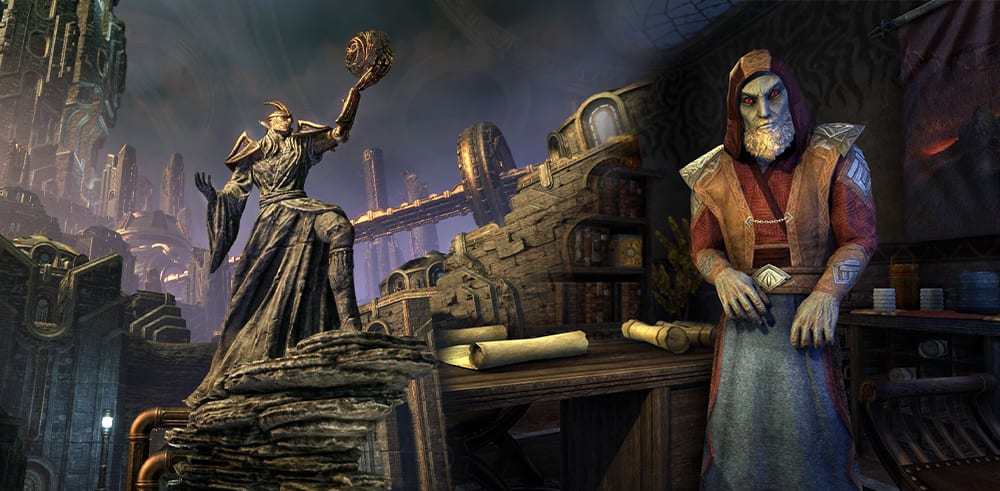
Fortnite Festival Arrow Types - Strategic Gaming Options 2022
Fortnite Festival Arrow Types – Strategic Gaming Options 2022. Credit: www.elderscrollsonline.com

Acquiring Arrows: Strategies and Techniques

Acquiring arrows in Fortnite Festival can be a game-changer for your gameplay. These arrows, exclusive to the festival, can give you a significant advantage over your opponents. To ensure you have a good supply of arrows, consider the following strategies and techniques.

Exploring the Festival Grounds

One of the most effective ways to find arrows is by thoroughly exploring the festival grounds. Arrows are often hidden in chests, on top of buildings, or in hard-to-reach areas. Take your time to scout every corner, and you may be rewarded with a stash of arrows. Remember, stealth is key!

Eliminating NPC Enemies

Another method to acquire arrows is by eliminating NPC enemies. These enemies can drop valuable loot, including arrows, upon defeat. Engage in battles with NPCs strategically to increase your chances of obtaining arrows. Keep an eye out for any NPCs roaming the festival area.

Utilizing Arrows in Gameplay: Tips and Tricks

Arrows in Fortnite Festival can be a game-changer when used strategically. Here are some tips and tricks to make the most out of these valuable resources:

Choose the Right Arrows

Consider the different types of arrows available in Fortnite Festival, such as fire arrows, shockwave arrows, and more. Each type has unique properties, so pick the one that suits your play style best.

Accuracy is Key

Practice your aim to ensure your shots hit the target accurately. Take your time to line up the perfect shot before releasing the arrow.

  • Adjust your sensitivity settings for better precision
  • Lead moving targets to anticipate their movements

Impact of Arrows on Fortnite Festival: A Strategic Perspective

Fortnite Festival introduces a new dynamic with the inclusion of arrows, adding an exciting layer of strategy to the gameplay. These arrows can be utilized for various purposes, from navigation to combat tactics.

Enhanced Navigation

Arrows in Fortnite Festival serve as directional indicators, guiding players towards specific locations or objectives. This feature enhances navigation, enabling players to plan their movements strategically.

Players can use arrows to plan their routes effectively, avoiding potential dangers or mapping out the best path to reach their goals efficiently.

Tactical Advantage in Combat

When it comes to combat, arrows play a crucial role in providing a tactical advantage. Players can use arrows strategically to confuse opponents, create diversions, or set up ambushes.

  1. Utilizing arrows to distract enemies in the heat of battle.
  2. Deploying arrows to outmaneuver opponents and gain the upper hand in engagements.

Unraveling the Mystery Behind Arrows in Fortnite Festival

In the Fortnite Festival, arrows are a special in-game item that players can use strategically to gain advantages over their opponents. These arrows come in different types and have various functions within the gameplay.

Types of Arrows

One type of arrow available in Fortnite Festival is the “Shockwave Bow,” which launches players into the air upon impact, allowing them to move swiftly across the map or surprise enemies from above. Another type is the “Fire Trap Arrow,” which creates a temporary zone of fire on impact, damaging any players caught within its radius.

Players can also encounter “Slurp Arrows” that heal both health and shields upon hit, providing a defensive advantage during intense battles.

Strategic Use of Arrows

Utilizing arrows effectively requires understanding each type’s unique attributes. Players can use shockwave arrows to reposition quickly or escape dangerous situations, while fire trap arrows can be used to control enemy movements and restrict their tactical options.

Slurp arrows, on the other hand, are valuable for sustainably increasing survivability during engagements by replenishing health and shields, giving players a crucial edge in prolonged fights.

Frequently Asked Questions

    • What are the Arrows in the Fortnite Festival?
    • The Arrows in Fortnite Festival are collectible items that can be found and used during the event.
    • How do you obtain Arrows in the Fortnite Festival?
    • Arrows can be obtained by completing challenges, exploring the festival map, and engaging in various activities throughout the event.
    • What is the significance of collecting Arrows in the Fortnite Festival?
    • Collecting Arrows can unlock exclusive rewards, progress in event quests, and contribute to the overall success of the festival.
    • Can Arrows be traded or shared with other players in the Fortnite Festival?
    • Arrows are usually non-transferable items and are meant to be collected individually by participating players.
    • Are there different types of Arrows in the Fortnite Festival?
    • Yes, there might be various types of Arrows in the festival, each with its unique abilities or effects when used.

Unmasking the Enigma: Understanding the Arrows in Fortnite Festival

Exploring the world of the Fortnite Festival has revealed a fascinating mystery surrounding the mysterious arrows. While the initial confusion led many to wonder about their significance, our investigation has shed light on their role in guiding players to hidden treasures and challenges within the festival grounds.

By deciphering the clues and understanding the intricacies of these arrows, players can enhance their gaming experience and uncover unique rewards. The festival’s immersive environment, coupled with these cryptic markers, adds an exciting layer of adventure to the gameplay, engaging players in a thrilling quest for discovery and achievement.

In summary, the arrows in Fortnite Festival serve as more than mere decorations – they are the keys to unlocking a world of excitement and mystery waiting to be explored. So, gear up, follow the arrows, and embark on an unforgettable gaming journey!

Filed Under: BLOG

  • « Previous Page
  • 1
  • …
  • 14
  • 15
  • 16
  • 17
  • 18
  • …
  • 42
  • Next Page »

Copyright © 2026 · Doctor Custom Theme on Genesis Framework · WordPress · Log in