Mufakha Doctors BD

Festival of Booths

September 3, 2024 by FF25Zl48PJRrGoRIiXgbBgcV Leave a Comment

Welcome to our latest exploration into the fascinating world of traditional celebrations and customs. In this blog post, we will delve into the Festival of Booths, a significant Jewish holiday also known as Sukkot. But what exactly is the Festival of Booths? Also referred to as the Feast of Tabernacles, this joyous occasion commemorates the Israelites’ journey through the desert and their dependence on divine protection. During Sukkot, families construct temporary booths called sukkahs, decorated with foliage and fruits, where they gather for meals and religious observances. Join us as we uncover the rich heritage and meaningful rituals associated with this ancient festival.

It’s in the trees opposite The Glade pic.twitter.com/ioAIBouAHN

— Secretglasto (@secretglasto) June 30, 2024

Introduction to the Festival of Booths

The Festival of Booths, also known as Sukkot or Succot, is a Jewish holiday that commemorates the forty-year period during which the Israelites wandered in the desert, living in temporary shelters. This year, the festival is celebrated from September 20th to September 27th.

Significance of the Festival

During Sukkot, Jewish families built temporary booths called sukkahs, adorned with decorations and foliage, to represent the temporary dwellings used by the Israelites in the wilderness. This practice fosters a sense of gratitude and humility.

Celebratory Traditions

One significant tradition during Sukkot is the waving of the Four Species – the etrog (citron), lulav (palm frond), harass (myrtle branches), and Arava (willow branches) – symbolizing unity and harmony among different types of people.
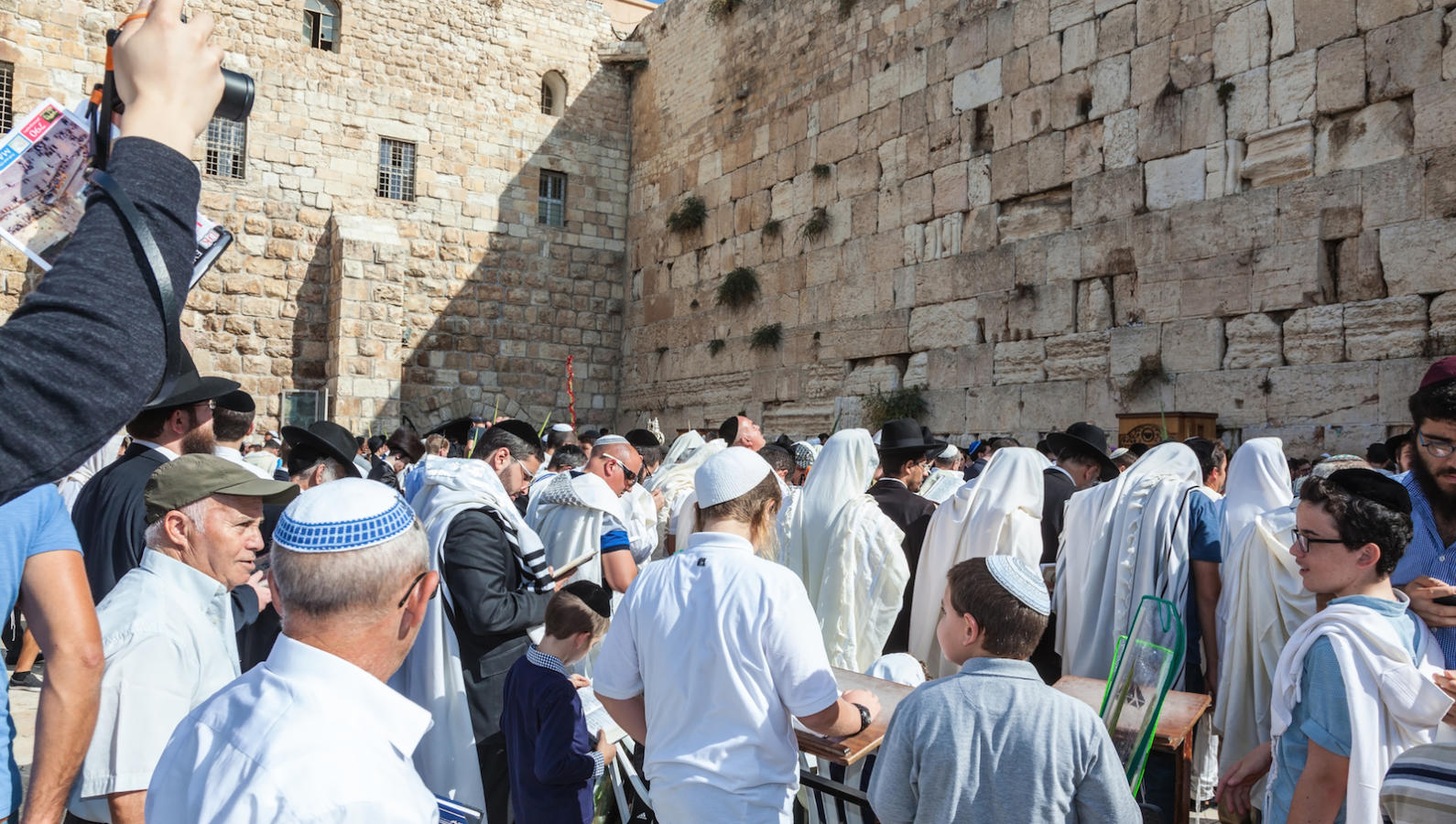
Illustration of Sukkot Traditions in what is the festival of booths 2023
Illustration of Sukkot Traditions in what the festival of booths 2023 is. Credit: www.myjewishlearning.com

Historical Significance of the Festival of Booths

The Festival of Booths, also known as Sukkot, holds a deep historical significance dating back to ancient times. This Jewish festival commemorates the forty years the Israelites spent wandering in the desert after the Exodus from Egypt. It is a time of joy and thanksgiving, celebrating the harvest season and giving thanks for the bountiful blessings received.

Symbolism of the Booths

The booths, or sukkahs, constructed during the festival symbolize the temporary dwellings the Israelites lived in during their journey through the desert. It serves as a reminder of their dependence on and trust in God for protection and sustenance. This tradition highlights the transient nature of life.

Historical Rituals and Practices

The Festival of Booths is marked by various rituals and practices, such as waving the Four Species – the etrog, lulav, myrtle, and willow branches – symbolizing unity and harmony among Jewish people. This tradition fosters a sense of community and togetherness. Additionally, families gather in the sukkah to share meals and rejoice in each other’s company.

  • Attending synagogue services
  • Reciting special blessings
  • Participating in festive parades
Illustration of Sukkot Festival Celebrations in the Year
Illustration of Sukkot Festival Celebrations in the Year. Credit: www.biblicalarchaeology.org

Customs and Practices during the Festival

During the Festival of Booths, also known as Sukkot, Jewish communities observe several customs and traditions worldwide. This week-long festival commemorates the Israelites’ journey through the desert and the harvest season. Families build sukkahs, temporary booths covered with branches, to symbolize the temporary shelters used during their wanderings.

The mitzvah of Dwelling in the Sukkah

One of the central customs is the mitzvah of Dwelling in the sukkah. It is customary to eat, sleep, and spend time in the sukkah throughout the festival. This practice fosters a sense of unity and gratitude for the blessings of sustenance provided by nature and the divine.

Four Species

Another significant tradition is the waving of the Four Species – the lulav (palm branch), etrog (citron), harass (myrtle branches), and Arava (willow branches). This ritual symbolizes unity and agricultural abundance, with each species representing different elements of the natural world.

  • Lulav: Symbolizes righteousness.
  • Erog: Symbolizes the heart.
  • Hadass: Symbolizes the eyes
  • Aravah: Symbolizes the lips

Symbolism Behind the Booths

The Festival of Booths, also known as Sukkot, holds deep significance in Jewish tradition as a time to commemorate the Israelites’ journey through the desert. The booths, or SSukkah symbolize the temporary shelters the Israelites lived in during their trek. This annual festival allows participants to reflect on their ancestors’ resilience and connection to their heritage.

Historical Roots

The use of booths traces back to ancient times when agricultural societies built temporary structures during harvest season. These booths were essential for protecting crops and workers. In the Jewish context, the booths represent the temporary dwellings of the Israelites during their exodus from Egypt.

This practice also reflects the impermanence of life and emphasizes the importance of gratitude for blessings, echoing the agricultural origins of the festival.

Spiritual Reflection

During Sukkot, observers spend time in the booths, engaging in prayer, meals, and study. The open-roofed design of the SSukkahencourages a connection to nature and the divine. It serves as a reminder of the fragility of life and the dependence on a higher power.

This period offers an opportunity for introspection, gratitude, and rejuvenation of faith, fostering a sense of community and spiritual renewal.

Celebrations and Festivities

During the Festival of Booths, also known as Sukkot, communities come together to celebrate the fall harvest and commemorate the Israelites’ journey through the desert. The festivities typically last for seven days, filled with joyous gatherings, delicious feasts, and traditional rituals.

Community Gatherings

Local neighborhoods and synagogues erect sukkahs, temporary shelters representing the wandering huts of the Israelites. Families and friends gather in these makeshift booths to share meals, stories, and prayers, fostering a sense of unity and togetherness. What a beautiful way to connect with tradition and loved ones.

Cultural Performances

Throughout the festival, communities enhance the festive atmosphere with cultural performances, including lively music, traditional dances, and theatrical presentations that showcase the richness of Jewish heritage. These performances create a vibrant and engaging environment for all participants, adding an extra layer of joy to the celebrations.

Traditional Foods and Cuisine

Delving into the rich tradition of the Festival of Booths unveils a delectable array of traditional foods and cuisines that hold profound cultural significance. From festive and savory dishes to sweet delicacies, the culinary offerings during this festive period are a true reflection of the community’s customs and heritage.

Local Delicacies

Indulge in the flavors of regional specialties such as succulent lamb skewers and fragrant spiced rice dishes that have been passed down through generations. These dishes are prepared with meticulous care and attention to detail, showcasing the culinary mastery of the local chefs.

Time-Honored Recipes

Explore the time-honored recipes of traditional stews and hearty soups that embody the essence of comfort and warmth. These dishes are often enjoyed during communal gatherings, fostering a sense of togetherness and unity among participants. Joining together in a shared meal is a cherished tradition during this festive occasion.

Modern Observance of the Festival

In the modern era, the Festival of Booths is celebrated with a blend of traditional rituals and contemporary customs. Families come together to build sukkahs, temporary shelters covered in foliage, symbolic of the huts used by ancient Israelites during their exodus. These booths are adorned with decorations, often incorporating eco-friendly materials like recycled paper and natural elements.

Community Gatherings

Community gatherings play a significant role in the observance of the festival. What is the Festival of Booths Today? These events feature cultural performances, music, dance, and storytelling sessions highlighting the historical significance of the festival.

Inclusion of Modern Technology

Many modern observances also incorporate technology, with digital sukkah decorations and virtual gatherings becoming increasingly popular. Families now share their festival experiences on social media platforms, spreading joy and awareness about the what is the festival of booths festival.

Frequently Asked Questions

    • What is the Festival of Booths?
    • The Festival of Booths, also known as Sukkot or Feast of Tabernacles, is a Jewish holiday that commemorates the forty-year period during which the Israelites wandered in the desert, living in temporary shelters.
    • When is the Festival of Booths celebrated?
    • The Festival of Booths usually falls in September or October following the Jewish holiday of Yom Kippur. It lasts for seven days, with an additional eighth day known as Shemini Atzeret.
    • What are some traditions associated with the Festival of Booths?
    • One of the central traditions of the Festival of Booths is the building of temporary sukkahs (booths) where meals are eaten and sometimes even slept in during the festival. Other traditions include waving the Four Species, festive meals, and engaging in joyful celebrations.
    • Why is the Festival of Booths considered an intriguing holiday?
    • The Festival of Booths is considered intriguing due to its unique customs, such as Dwelling in temporary shelters, waving the Four Species, and its agricultural connections. It is a time of joy and thanksgiving, making it a special and intriguing holiday in the Jewish calendar.
    • How do people typically celebrate the Festival of Booths?
    • People celebrate the Festival of Booths by building and decorating a sukkah, taking meals inside the sukkah, waving the Four Species, attending synagogue services, and participating in festive gatherings with family and friends.

Unlocking the Rich Heritage of the Festival of Booths

As we conclude our exploration of the Festival of Booths, it becomes clear that this ancient tradition holds immense significance in various cultures and religions. From its roots in agricultural celebrations to its modern-day interpretations, the festival symbolizes unity, gratitude, and spiritual renewal. The act of building and dDwellingin booths instills a sense of humility and connectivity with nature and community. By understanding the essence of this festival, we can appreciate the importance of heritage, faith, and tradition in shaping our collective identity. Embracing the Festival of Booths allows us to partake in a timeless ritual that transcends boundaries and fosters a sense of belonging.
Filed Under: BLOG

Jewish Festival

September 3, 2024 by FF25Zl48PJRrGoRIiXgbBgcV Leave a Comment

Have you ever found yourself wondering, “Is there a Jewish festival today?” Dive into a fascinating exploration of the rich cultural celebrations that mark the Jewish calendar. From joyous occasions filled with music and dancing to days of reflection and solemnity, Jewish festivals offer a glimpse into centuries-old traditions and beliefs. In this blog, we unravel the significance and unique customs associated with these diverse festivals. Whether you’re seeking insight into the festivities or simply curious about the culture, join us on a journey to discover the vibrancy and depth of Jewish celebrations. Get ready to uncover the magic of Jewish festivals and their enduring relevance in the modern world.

I hope EVERYONE is enjoying Lag Ba’Omer today, a good All-#American holiday.

And to those of you who aren’t, happy Yom Easter or something.#chag #holiday #greeting#LagBaOmer#MedinatAmerica pic.twitter.com/L39vP2lIB0

— 🇺🇸 JewWhoHasItAll (@JewWhoHasItAll) May 9, 2023

Introduction to Jewish Festivals

Jewish festivals are significant cultural and religious celebrations that hold a profound meaning in Jewish tradition. These festivals are rooted in historical events, spiritual practices, and cultural customs, shaping the Jewish way of life. The Jewish calendar is adorned with a rich tapestry of festivals and holidays, each carrying its unique rituals and ceremonies.

The Importance of Jewish Festivals

Jewish festivals play a crucial role in uniting the Jewish community, fostering a sense of identity, and strengthening faith. These festivals provide opportunities for reflection, celebration, and spiritual growth. They mark key milestones in Jewish history and serve as reminders of God’s presence and blessings in the lives of the Jewish people.

The observance of Jewish festivals is deeply ingrained in Jewish culture, with each festival holding special significance and symbolism. From the solemnity of Yom Kippur to the joyous festivities of Purim, Jewish festivals encompass a wide range of emotions and experiences.

Common Traditions in Jewish Festivals

Jewish festivals are characterized by a myriad of traditional practices, including liturgical readings, special prayers, festive meals, and symbolic rituals. Each festival has its unique customs and observances that differentiate it from others on the Jewish calendar.

  • Rituals: Many Jewish festivals involve specific rituals such as lighting candles, reciting blessings, and partaking in symbolic foods.
  • Community Gatherings: Festivals often bring the community together for prayer services, meals, and social gatherings.
  • Charitable Acts: Giving to those in need is a common practice during Jewish festivals, emphasizing the values of compassion and generosity.
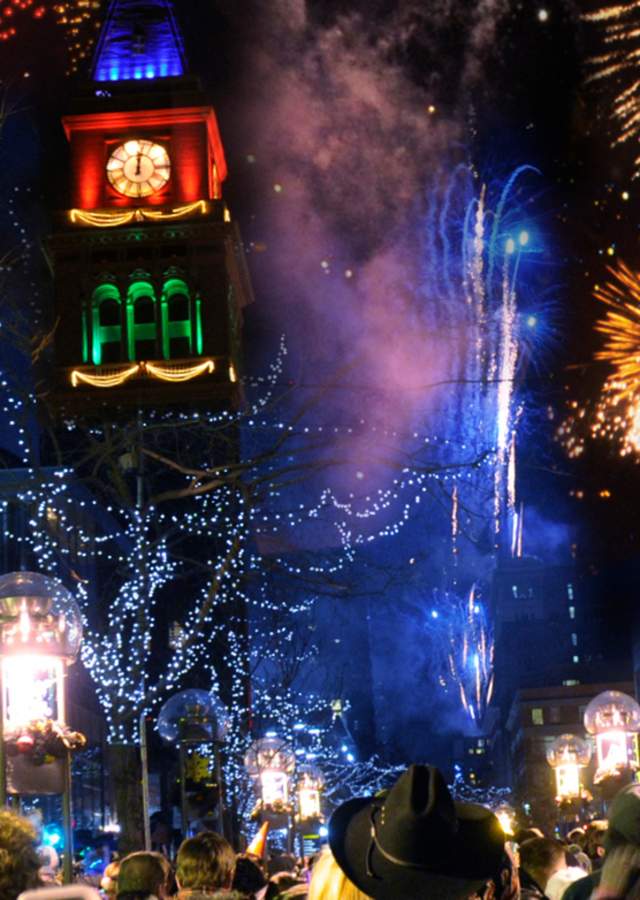
Jewish festive celebration symbolizing cultural unity in the current year
Jewish festive celebration symbolizes cultural unity in the current year. Credit: www.denver.org

Significance of Jewish Festivals

Jewish festivals hold immense cultural and religious significance in the Jewish community, showcasing traditions, history, and values passed down through generations. These festivals are a time of joy, reflection, and unity among Jewish individuals around the world.

The Importance of Celebrating Jewish Festivals

Participating in Jewish festivals helps to strengthen familial and communal bonds, fostering a sense of togetherness and belonging within the community. These celebrations also serve as opportunities for spiritual growth, renewal, and reconnection with Jewish heritage.

Embracing the customs and rituals associated with each festival enhances one’s understanding of Jewish identity and helps preserve the rich cultural tapestry of the Jewish people.

Connection to Tradition and History

Each Jewish festival is deeply rooted in historical events and biblical narratives, symbolizing pivotal moments in Jewish history and faith. From Passover commemorating the Exodus from Egypt to Hanukkah symbolizing the rededication of the Holy Temple in Jerusalem, these festivals serve as reminders of the resilience, faith, and perseverance of the Jewish people.

By observing these festivals, individuals honor the struggles and triumphs of their ancestors and reaffirm their commitment to upholding Jewish traditions for future generations.

Calendar of Jewish Festivals

Exploring the question, “Is there a Jewish festival today?” reveals a rich tapestry of cultural celebrations throughout the year. In 2022, the Jewish calendar is brimming with meaningful festivals, each with its unique traditions and significance.

Rosh Hashanah

Rosh Hashanah, also known as the Jewish New Year, marks a time for reflection and new beginnings. It usually falls in September and is observed with prayer services and festive meals.

Yom Kippur

Following Rosh Hashanah is Yom Kippur, the Day of Atonement when Jews engage in fasting and intensive prayer. This solemn day, typically in September or October, focuses on repentance and spiritual renewal.

Passover

Passover, celebrated in the spring month of Nisan, commemorates the Exodus from Egypt. Families partake in a Seder meal, retelling the story of freedom and redemption.

Hanukkah

Hanukkah, also called the Festival of Lights, occurs in December. It honors the miracle of the menorah and the rededication of the Holy Temple in Jerusalem. Families light the menorah each night for eight nights.

Jewish festival celebration, depicting the cultural richness of 2022
Jewish festival celebration, depicting the cultural richness of 2022. Credit: theweitzman.org

Understanding the Current Jewish Festival

As we delve into the question, “Is there a Jewish festival today?” it’s important to consider the real-time calendar of Jewish celebrations. In the current year, the rich tapestry of Jewish festivals includes significant events that are deeply rooted in tradition and cultural heritage.

Key Jewish Festivals Today

One of the major Jewish festivals happening today is Passover, also known as Pesach. This eight-day celebration commemorates the liberation of the Israelites from slavery in ancient Egypt.

Another notable festival is Rosh Hashanah, the Jewish New Year, which is marked by festive meals, blowing the shofar, and introspection.

Significance of Current Festivals

During Passover, families gather for the Seder meal, which includes specific foods and ritual readings from the Haggadah. It is a time for reflection and gratitude for freedom.

Rosh Hashanah signifies a time of renewal and repentance, where Jewish communities come together to pray, seek forgiveness, and set positive intentions for the year ahead.

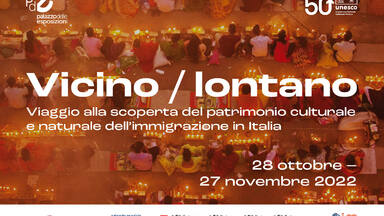
Jewish festival celebration showcasing cultural heritage in the year of 2022
Jewish festival celebration showcasing cultural heritage in the year 2022. Credit: whc.unesco.org

Celebrations and Traditions

Exploring Jewish festivals and traditions is a fascinating way to understand the rich cultural heritage of the Jewish community. From religious observances to family rituals, these celebrations offer insights into centuries-old customs and beliefs.

Major Jewish Festivals

Throughout the year, the Jewish calendar is filled with significant festivals and holidays, such as Passover, Rosh Hashanah, Yom Kippur, and Hanukkah. These festivals are marked by special prayers, feasting, and symbolic rituals that hold deep religious and cultural significance. Is there a Jewish festival today

Symbolic Traditions

Specific traditions and customs often accompany Jewish celebrations. For example, during Passover, the Seder meal includes symbolic foods like matzah and bitter herbs, representing the Israelites’ exodus from Egypt. These symbols serve as reminders of historical events and religious teachings.

  • Matzah: Unleavened bread consumed during Passover
  • Menorah: Symbolic candelabra lit during Hanukkah
  • Shofar: Ram’s horn blown on Rosh Hashanah

Frequently Asked Questions

    • What is the significance of Jewish festivals?
    • Jewish festivals hold great cultural and religious significance for the Jewish community. They are commemorations of historical events, agricultural milestones, and religious observances that serve to strengthen faith, preserve traditions, and foster community bonds.
    • How many Jewish festivals are there in a year?
    • There are several Jewish festivals celebrated throughout the year. Some major festivals include Passover, Rosh Hashanah, Yom Kippur, Hanukkah, and Purim. Each festival has its unique rituals, customs, and historical significance.
    • Is there a Jewish festival happening today?
    • To know if a Jewish festival is happening today, it is recommended to refer to a Jewish calendar or consult with local Jewish communities or synagogues, as the timing of festivals can vary based on the lunar Hebrew calendar.
    • How are Jewish festivals celebrated?
    • Jewish festivals are celebrated with prayers, traditional foods, rituals, songs, and communal gatherings. Each festival has specific practices associated with it, such as lighting candles, reciting blessings, reading from the Torah, and sharing festive meals with family and friends.
    • What can one learn from Jewish festivals?
    • Jewish festivals offer valuable lessons on faith, history, community, gratitude, and resilience. They provide an opportunity to connect with Jewish heritage, reflect on the past, and celebrate the values that have sustained the Jewish people for generations.

Final Thoughts: Celebrating Jewish Festivals

As we uncover the question of “Is there a Jewish festival today?” we delve into a rich tapestry of cultural celebrations that define the Jewish calendar. From the sad reflections of Yom Kippur to the joyous festivities of Purim, each festival offers a unique opportunity for introspection, tradition, and community. Understanding and respecting these festivals not only provides insight into Jewish beliefs and practices but also fosters appreciation for cultural diversity and inclusivity. So, the next time you find yourself contemplating if there’s a Jewish festival today, remember the significance behind these celebrations and embrace the spirit of unity and heritage they embody.

Filed Under: BLOG

How to Take Off Festival Wristbands

September 3, 2024 by FF25Zl48PJRrGoRIiXgbBgcV Leave a Comment

Are you tired of struggling to remove festival wristbands without damaging them or your skin? In this blog post, we have you covered with the ultimate guide on how to take off festival wristbands like a pro! Whether you are a seasoned festival-goer or a newbie, knowing the right Technique can make all the difference.

We will walk you through the easy steps and share some valuable tips to ensure a smooth removal process. From simple tricks that make the job hassle-free to creative ways to repurpose your wristbands after the event, we’ve got all the insights you need.

Stay tuned to discover the best methods for safely and efficiently taking off festival wristbands without any fuss. Let’s master this essential skill together!

Grand festival wristbands are now available on the Nintendo website! I just ordered mine! pic.twitter.com/nReSjER0QQ

— luna✩ (@oyasumilunachan) August 21, 2024

Importance of Removing Festival Wristbands

When it comes to festival wristbands, the act of removing them is often overlooked, but it holds significant importance. One main reason is hygiene; festival wristbands can accumulate sweat, dirt, and bacteria over time, leading to skin irritation or infections. Additionally, removing festival wristbands promptly after the event helps in maintaining personal hygiene and preventing any potential health risks associated with prolonged wearing.

Preserving Memories

While it may be hard to part with a festival wristband that holds memories of a great event, removing it carefully allows you to preserve it as a keepsake without the risk of it getting damaged or worn out. You can store the wristband safely as a reminder of the fantastic time you had at the festival.

Moreover, keeping the wristband intact can serve as a conversation starter or a memento that you can look back on to reminisce about the fun experiences you had during the festival.

Personal Style

Another reason to remove festival wristbands is to maintain your style. While the wristbands may hold sentimental value, having them on for an extended period can clash with your everyday outfits or professional attire. Removing them allows you to present yourself in a clean and polished manner without compromising your style.

Furthermore, taking off festival wristbands can give your skin a breather, preventing any possible skin reactions or irritations caused by the continuous wearing of the bands.

Festival wristband souvenirs for festival-goers in the current year
Festival wristband souvenirs for festival-goers in the current year. Credit: www.dl-online.com

Preparation Before Removing Wristbands

Before you start removing your festival wristbands, it’s essential to prepare the necessary tools to make the process smoother.

Gather Your Tools

Ensure you have a pair of sharp scissors or a small blade to cut through the wristband’s fabric without causing any damage to your skin.

Additionally, having a pair of pliers can help loosen any stubborn clasps, making it easier to slide off the wristband.

Find a Comfortable Spot

Choose a well-lit and comfortable area to remove your wristband. Sitting at a table or counter with good lighting can ensure you see what you’re doing clearly.

Having a mirror nearby can also be helpful, especially if you’re removing the wristband from your non-dominant hand.

Step-by-Step Guide to Taking Off Wristbands

When the festival fun is over, it’s time to remove your wristband without any hassle. Follow these easy steps to take off festival wristbands like a pro!

Step 1: Gather Your Tools

Before starting, make sure you have a pair of scissors or a sharp blade to cut the band. This is essential to avoid damaging the wristband.

Step 2: Identify the Closure

Locate the closure of the wristband, which can be a plastic clip, adhesive, or a sliding mechanism. Understanding the closure type will determine how you’ll need to remove it.

Step 3: Cutting the Band

Carefully cut the wristband in a straight line above the closure. Be cautious not to cut too close to the closure to avoid damaging it.

Step 4: Slide Off the Band

After cutting, gently slide the band off your hand. Make sure to keep the wristband intact in case you want to keep it as memorabilia.

Tips and Tricks for Easy Removal

Removing festival wristbands can be tricky, but with the right tips and tricks, you can do it like a pro. Here are some easy steps to help you take off festival wristbands effortlessly:

1. Twist and Pull Technique

Try twisting the wristband gently while pulling it upwards. This motion helps loosen the band and makes it easier to slide off without causing any discomfort. Be patient and take your time to avoid damaging the wristband.

2. Soapy Water Method

Soaking the wristband in warm, soapy water can make it more flexible and easier to remove. Ensure you rinse off any soap residue afterward to prevent skin irritation.

Alternative Methods for Removing Wristbands

If you’re wondering how you can take off festival wristbands faster or more easily, there are alternative methods you can try. One popular approach involves using hand sanitizer to loosen the adhesive. Apply a small amount around the band’s edges and slide it off gently. Remember to be cautious to avoid skin irritation.

Twisting Technique

For wristbands that have a plastic lock, try the twisting Technique. Hold the lock firmly and twist it in opposite directions until it unlocks. This method works well for avoiding damage to the band if you plan to keep it as a souvenir.

Hairdryer Method

Another effective method is using a hairdryer to heat the adhesive. Hold a hairdryer close to the band for a few minutes, and then carefully peel it off once the adhesive softens. This method works best for fabric wristbands.

Mistakes to Avoid When Taking Off Wristbands

When it comes to taking off festival wristbands, there are common mistakes to avoid to ensure a smooth removal process without damaging the wristband or causing discomfort. One common mistake is pulling too hard, which can lead to ripping or tearing the wristband. Taking your time and being gentle is key to preventing any mishaps.

Failure to Locate Closure Mechanism

Before attempting to remove the wristband, make sure you locate the closure mechanism, such as a plastic clip or adhesive tab. Trying to pull the wristband off without understanding how it is secured can result in unnecessary force and potential damage.

It’s crucial to identify the proper way to unlock or loosen the closure to avoid any frustration or accidents.

Using Sharp Objects

Using sharp objects like scissors or knives to cut off the wristband is a major mistake. Not only does it pose a risk of injury, but it can also ruin the wristband itself and render it unusable for keepsake purposes.

  1. Avoid using sharp objects near the wristband to prevent accidents.
  2. Opt for safer methods, such as soaking the wristband in warm, soapy water to loosen it before removal.
Securely removing festival wristband in the year of 2022
Securely removing festival wristbands in the year 2022. Credit: m.youtube.com

Frequently Asked Questions

    • What tools do I need to take off festival wristbands?
    • You will need a pair of scissors or pliers to cut or unclip the wristband from your wrist safely.
    • Can I reattach my festival wristband after removing it?
    • In most cases, festival wristbands are designed for one-time use only, so it is not recommended to try to reattach them once removed.
    • How can I prevent damaging the festival wristband while removing it?
    • To prevent damaging the festival wristband, make sure to cut or unclip it carefully and avoid pulling or yanking on the band.
    • Are there any alternative methods to take off festival wristbands?
    • Some alternative methods include using a plastic bag or lubricant to help slide the wristband off but proceed with caution to avoid any accidents.
    • Can I reuse festival wristbands from previous events?
    • It’s not recommended to reuse festival wristbands from previous events as they may not be securely fastened or could be damaged from prior use.

Final Thoughts

Removing festival wristbands might seem like a daunting task, but armed with the right knowledge and techniques, it can be a breeze. By following the easy steps and tips outlined in this blog, you can take off festival wristbands like a pro. Remember, patience is key, and using tools like scissors or a straw can make the process smoother. Whether you opt for the twisting or sliding method, make sure to do it carefully to avoid any mishaps. So, the next time you attend a festival or event, confidently take off your wristband, knowing you have mastered the art. Stay informed, and stay stylish!

Filed Under: BLOG

Woodstock Festival

September 3, 2024 by FF25Zl48PJRrGoRIiXgbBgcV Leave a Comment

Ever since the iconic Woodstock Festival took place in 1969, music enthusiasts and history buffs alike have been captivated by the question – where was the Woodstock Festival held? The answer goes beyond just a location; it delves into the heart of a cultural revolution. Situated in upstate New York amidst the rolling hills of Bethel, Sullivan County, the Woodstock Festival became synonymous with peace, love, and music. This historic event brought together hundreds of thousands of attendees for a weekend that would define a generation. Join us as we unravel the mystery surrounding the location of this legendary festival and explore the significance of its place in music history.

💫 The 25th Annual Woodstock Film Festival in Woodstock, NY is almost here, and we’re celebrating with a Woodstock Film Festival VIP Weekend giveaway contest! 💫

Follow the steps on Instagram to ENTER TO WIN! 🏆 https://t.co/ty8K5LcaZq pic.twitter.com/XaULoxURBq

— Woodstock Film Festival (@woodstockfilm) August 20, 2024

Introduction: Exploring the Woodstock Festival

Woodstock Festival, an iconic event that took place in 1969, remains a symbol of peace, love, and music. As people still wonder where the Woodstock Festival was held, its legacy continues to inspire generations. The festival brought together over 400,000 attendees for three days of music, solidarity, and cultural revolution. Hosted on a dairy farm in Bethel, New York, the event became a pivotal moment in music history, featuring legendary performances from artists like Jimi Hendrix, Janis Joplin, and The Who.

Background of the Woodstock Festival

The Woodstock Festival was initially planned for a different location but was later moved to Max Yasgur’s dairy farm due to permit issues. Despite the challenges, the organizers managed to create a peaceful and harmonious atmosphere that defined the event.

Impact of Woodstock

The festival’s impact reverberated through the counterculture movement, emphasizing unity, love, and music as tools for societal change. Woodstock became a symbol of the era’s values and continues to inspire music festivals worldwide.

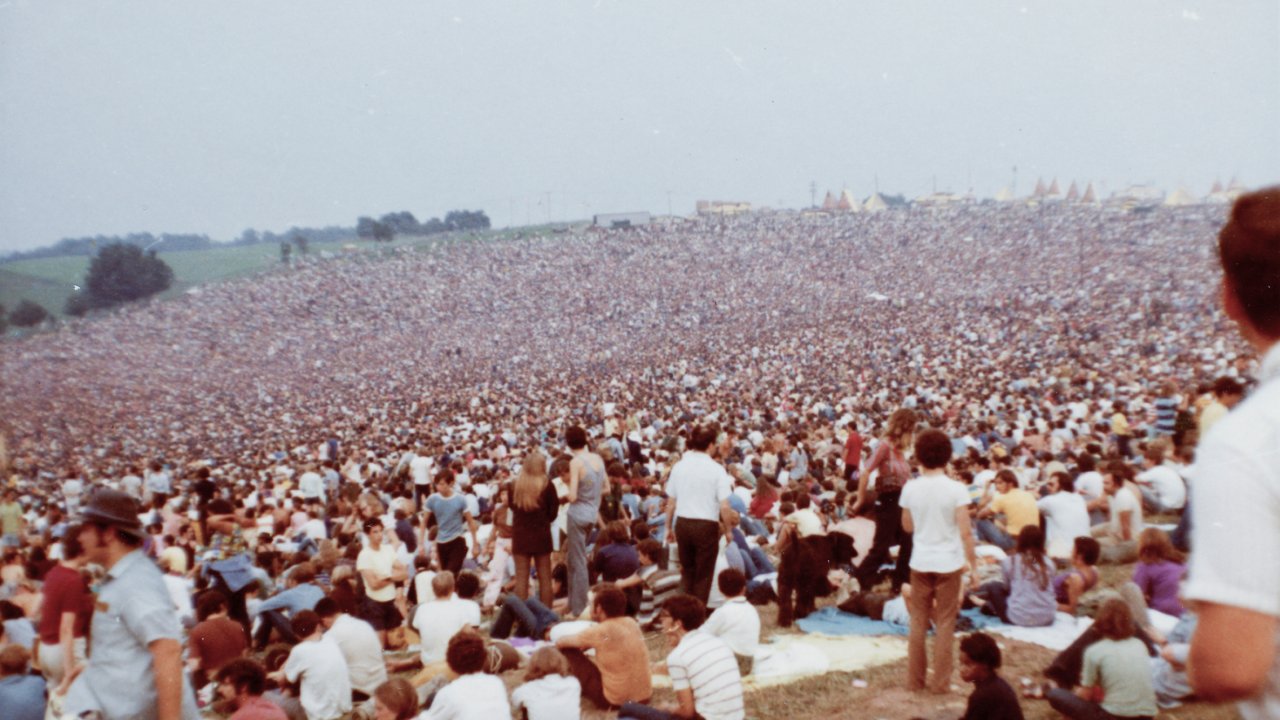
Iconic Music Festival in the 1960s
Iconic Music Festival in the 1960s. Credit: www.pbs.org

History of Woodstock Festival: A Brief Overview

The Woodstock Festival, one of the most iconic events in music history, took place in White Lake, New York, in 1969. Often referred to simply as “Woodstock,” the festival was a cultural milestone that defined a generation.

Origin of Woodstock

The idea for the festival was born out of a desire to create a music event that celebrated peace, love, and music. The organizers envisioned a gathering that would bring together music enthusiasts in a harmonious environment.

Woodstock radically shifted the landscape of music festivals worldwide.

Key Performances and Impact

Over three days, legendary artists such as Jimi Hendrix, Janis Joplin, and The Who graced the stage, delivering electrifying performances that captivated the audience.

  1. The festival stood out as a symbol of counterculture and rebellion.
  2. Woodstock inspired future generations of musicians and festival-goers.

Location Scouting: Finding the Perfect Venue

When considering where the iconic Woodstock Festival was held, location scouting plays a crucial role in finding the perfect venue that meets all event requirements. The Woodstock Festival, held in 1969, took place in Bethel, New York, on a dairy farm owned by Max Yasgur.

Local Climate and Accessibility

One important factor to consider when scouting for a location is the local climate. Having the event in a place with suitable weather conditions can enhance the overall experience. Additionally, accessibility is key to ensuring attendees can reach the venue conveniently.

Aesthetic Appeal and Capacity

Another aspect to evaluate is the aesthetic appeal of the venue. A visually pleasing setting can contribute to the ambiance of the event. Moreover, the capacity of the venue must align with the expected number of attendees to ensure a comfortable and safe environment.

Bethel, New York: The Unexpected Host

Bethel, New York, played an unforeseen yet pivotal role in the history of music and counterculture. In 1969, this small town became the site of the iconic Woodstock Festival, a three-day event that defined a generation and left a lasting impact on music and society.

Historic Woodstock Festival Location

The Woodstock Festival, originally slated to be held in Woodstock, was relocated to Bethel due to permit issues. Max Yasgur’s dairy farm in Bethel became the chosen venue, accommodating over 400,000 attendees amidst a backdrop of rolling hills and serene countryside.

Despite logistical challenges, Bethel welcomed the festival with open arms, embodying the spirit of peace and music that defined the event. Where was the Woodstock festival held?

Legacy of Woodstock in Bethel

The legacy of the Woodstock Festival in Bethel continues to resonate to this day. The site, now known as the Bethel Woods Center for the Arts, stands as a monument to the festival’s ideals of unity and expression. Visitors can explore the museum, attend concerts, and experience the spirit of Woodstock.

  • Experience the Woodstock festival’s essence in modern times
  • Discover artifacts and memories from the historic event
Bethel, New York - Unforgettable Site of Woodstock Festival
Bethel, New York – Unforgettable Site of Woodstock Festival ‘where was’ 1969. Credit: facts.net

Impact of Woodstock Festival: A Cultural Phenomenon

The Woodstock Festival held in 1969 in Bethel, New York, left an indelible mark on American culture and beyond. It served as a pivotal moment in the history of music, art, and social movements.

Historical Significance

The festival, characterized by its message of peace, love, and unity, embodied the spirit of the counterculture movement of the 1960s. Woodstock became a symbol of resistance to the status quo.

Attendees celebrated music from iconic artists like Jimi Hendrix and Janis Joplin, establishing a new standard for music festivals that continues to influence contemporary musical events.

Societal Impact

The communal nature of Woodstock forged connections among attendees and highlighted the power of coming together for a shared experience. It inspired a sense of community and togetherness that transcended the event itself.

  • Woodstock contributed to the advancement of civil rights and environmental awareness, sparking conversations that echoed throughout society.
  • The festival’s legacy continues to inspire movements centered around peace, love, and social justice.

Legacy of Woodstock: Influence on Music and Counterculture

The Woodstock Festival, held in 1969, continues to have a profound impact on music and counterculture. It served as a pivotal moment in history, bringing together hundreds of thousands of people in a celebration of peace, love, and music.

Impact on Music

The festival showcased iconic performances from legendary artists like Jimi Hendrix, Janis Joplin, The Who, and many more. It paved the way for the evolution of music, influencing genres ranging from rock to folk to psychedelic.

Countercultural Movement

Woodstock became a symbol of the 1960s counterculture, promoting ideas of unity, anti-establishment sentiments, and advocacy for social change. It inspired a generation to question societal norms and strive for a more peaceful world.

Frequently Asked Questions

    • What is the significance of the Woodstock Festival?
    • The Woodstock Festival is known as a pivotal moment in music history, symbolizing the countercultural movement of the 1960s. It has become an iconic event that represents peace, love, and the power of music to bring people together.
    • When did the Woodstock Festival take place?
    • The Woodstock Festival took place from August 15 to August 18, 1969. It was a 3-day music festival that attracted hundreds of thousands of attendees.
    • Where was the Woodstock Festival originally planned to be held?
    • The Woodstock Festival was originally planned to be held in Wallkill, New York. However, due to various issues and local opposition, the location had to be changed just weeks before the event.
    • Where was the Woodstock Festival eventually held?
    • The Woodstock Festival was eventually held on Max Yasgur’s farm in Bethel, New York. It became known as Woodstock, even though the actual location was around 60 miles away from the town of Woodstock.
    • Why is there confusion about the location of the Woodstock Festival?
    • The confusion about the location of the Woodstock Festival arises from the fact that the event became so iconic that it overshadowed the actual town it was named after. Additionally, the last-minute change of venue added to the mystique surrounding the festival.

Unraveling the Mystery: Where Was the Woodstock Festival Held?

Final Thoughts

As we conclude our journey to unearth the location of the iconic Woodstock Festival, we are reminded that its historical significance transcends the confines of a specific venue. While Bethel, New York, was the physical location where the festival unfolded, the spirit of peace, love, and music it embodied resonates far beyond those hallowed grounds.

By delving into the past and exploring the cultural impact of Woodstock, we gain a deeper appreciation for the counterculture movement of the 1960s and the enduring legacy of a generation that sought to bring about change through unity and harmony.

Remember, Woodstock was more than just a place—it was a moment in time that continues to inspire us to come together in the name of music, friendship, and hope.

Filed Under: BLOG

Tomorrowland Music Festival

September 3, 2024 by FF25Zl48PJRrGoRIiXgbBgcV Leave a Comment

For music enthusiasts and festival-goers alike, the allure of Tomorrowland Music Festival is unmatched. As attendees eagerly anticipate this electrifying event, one question looms on everyone’s minds: where is Tomorrowland Music Festival located? This iconic festival, known for its surreal stages and top-tier artist lineups, is held annually in Boom, Belgium. Nestled amidst picturesque surroundings, Tomorrowland transforms this small town into a magical wonderland of music and dancing, drawing crowds from across the globe. Join us as we delve into the enchanting world of Tomorrowland and uncover the mesmerizing location that serves as the backdrop for this extraordinary musical experience.

Today, The Library Stage at Tomorrowland is the home for music that defines Tomorrowland. Dive into the story of Tomorrowland Music, here or at the festival. pic.twitter.com/5gCgZAPiPa

— Tomorrowland Music (@TML_musiclabel) July 26, 2024

Introduction: Exploring the Enigma of Tomorrowland Music Festival

Since its inception, Tomorrowland Music Festival has captured the hearts of music enthusiasts worldwide. This electrifying event transcends the ordinary, offering an unparalleled experience that blends breathtaking music, mesmerizing visuals, and a sense of community like no other. The festival has become a global phenomenon, attracting attendees from every corner of the globe to immerse themselves in the magic of Tomorrowland.

The Origin of Tomorrowland

Founded in 2005 in Boom, Belgium, Tomorrowland has grown into one of the most iconic and sought-after music festivals on the planet. Each year, the festival transforms the quaint town of Boom into a vibrant and pulsating hub of music and celebration, drawing in music lovers and festival-goers eager to be part of this extraordinary experience.

The festival’s roots in Belgium underscore its commitment to delivering an unforgettable musical journey that transcends language barriers and unites people through a shared love of music.

Immersive Atmosphere and Stages

One of the hallmarks of Tomorrowland is its immersive atmosphere, characterized by intricate stage designs, dazzling light shows, and spellbinding pyrotechnics. Each stage at Tomorrowland is a masterpiece in itself, meticulously crafted to enhance the overall festival experience.

Attendees can expect to be transported to otherworldly realms as they move from one stage to another, each offering a unique sonic journey that caters to a wide range of musical tastes.

  • Main Stage: The centerpiece of Tomorrowland, where global superstars and iconic DJs deliver unforgettable performances.
  • Freedom Stage: A haven for electronic dance music enthusiasts featuring cutting-edge beats and pulsating rhythms.
  • Garden of Madness: A realm of sonic chaos and euphoria where music and madness collide to create an unforgettable experience.
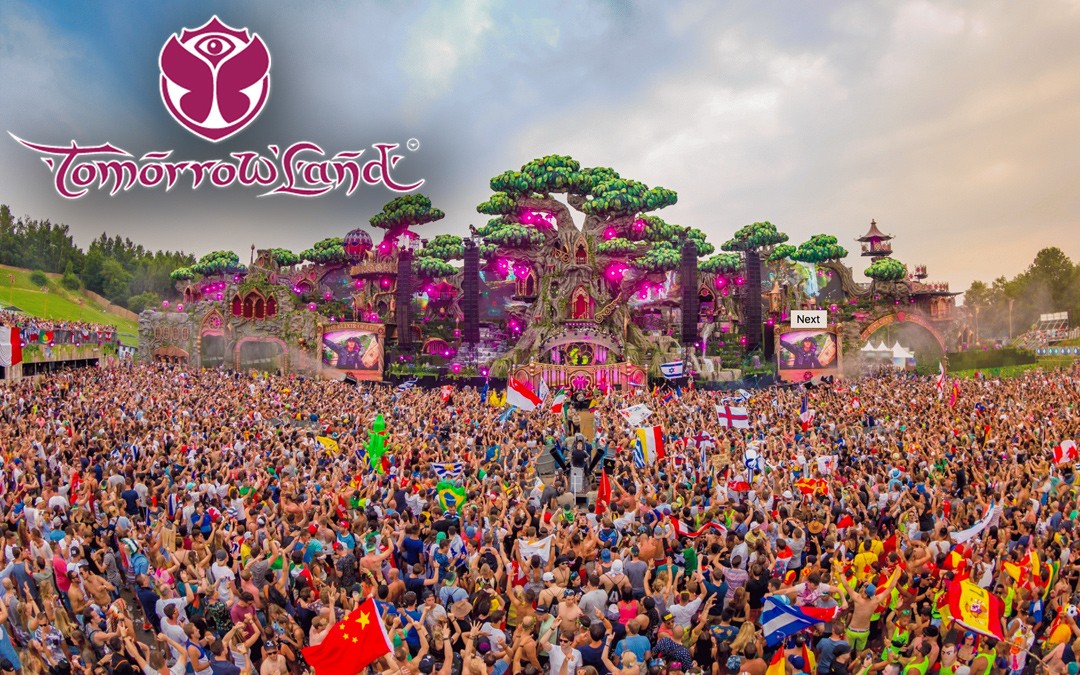
Tomorrowland Music Festival Location in the Year 2022
Tomorrowland Music Festival Location in the Year 2022. Credit: justglobetrotting.com

History of Tomorrowland: Tracing its Origins and Evolution

Since its inception in 2005, Tomorrowland has grown to become one of the most iconic music festivals globally, attracting electronic music lovers from all corners of the world.

Origins of Tomorrowland

Tomorrowland was created by the Belgian brothers Manu and Michiel Beers, who wanted to bring together people through the magic of music and create a unique experience that transcended boundaries. The first edition took place in Boom, Belgium, and featured some of the biggest names in the electronic music scene.

Evolution of Tomorrowland

The festival’s success led to its rapid expansion, with Tomorrowland branching out to other countries, including Brazil and the United States. Each year, the festival introduces innovative stage designs, cutting-edge technology, and a lineup of world-renowned DJs and performers, making it a must-attend event for music enthusiasts.

In recent years, Tomorrowland has become synonymous with extravagance and spectacle, setting new standards for music festivals around the globe. The event continues to evolve, offering attendees an immersive experience that goes beyond just music.

Tomorrowland Music Festival Evolution
Tomorrowland Music Festival Evolution. Credit: www.youtube.com

Setting the Stage: Unveiling the Location of Tomorrowland

One of the most anticipated music festivals globally, Tomorrowland is known for its enchanting locations that elevate the entire experience. The 2023 edition of Tomorrowland is set to take place in Boom, Belgium. Nestled within the picturesque surroundings of De Schorre, a recreational area in Boom, Tomorrowland offers attendees a fairy-tale setting amidst lush greenery and sparkling lakes.

The Magical Venue

Tomorrowland’s venue in Boom, Belgium, provides the perfect backdrop for a magical experience filled with music, art, and camaraderie. The festival ground spans over 3 square kilometers and is meticulously designed to transport visitors to a whimsical wonderland.

Immersive Stages and Decor

Each year, Tomorrowland unveils awe-inspiring stages and immersive decor that captivate attendees. From Elven-themed stages to interactive installations, every corner of the festival venue is thoughtfully curated to create an otherworldly atmosphere.

  • Attendees can expect state-of-the-art sound systems and stunning visual effects that enhance the overall sensory experience.
  • The attention to detail in the decor, including quirky props and colorful lighting, adds to the festival’s charm.

Immersion in Music: Highlighting the Festival Experience

When it comes to experiencing music at its finest, there’s no better place than the Tomorrowland Music Festival. Held annually in Belgium, Tomorrowland is a magical gathering of music enthusiasts from around the world. The festival offers an unparalleled immersive experience that goes beyond just listening to music; it’s about immersing yourself in a world of melody and rhythm.

The Venue: Where is Tomorrowland Music Festival Located?

Tomorrowland takes place in Boom, Belgium, a picturesque town known for its lush green landscapes and vibrant culture. The festival grounds are a sight to behold, with elaborate stages, dazzling light shows, and captivating art installations that create an otherworldly atmosphere.

Connecting with Tomorrowland: How to Attend and Participate

Attending Tomorrowland, one of the most iconic music festivals globally is a dream for many music enthusiasts. To participate in this electrifying event, you must first know where the Tomorrowland music festival is located. Each year, Tomorrowland takes place in Boom, Belgium, at the De Schorre Recreation Area.

Getting Tickets

Securing tickets for Tomorrowland can be quite competitive due to its immense popularity. It’s essential to stay updated on ticket sale dates and be prepared to purchase them as soon as they are released. Prices vary depending on the ticket package and duration you choose.

Accommodation

As Tomorrowland attracts attendees from across the globe, it’s advisable to book accommodation well in advance. Options range from camping sites to luxurious hotels. Many festival-goers opt for DreamVille, the festival’s camping option, for a complete Tomorrowland experience.

Travel Arrangements

When planning your trip to Tomorrowland, consider transportation to Boom, Belgium. Whether you’re flying in or using other means of transportation, it’s crucial to plan your journey meticulously to ensure a hassle-free experience.

Immerse in the Experience

Once you arrive at Tomorrowland, immerse yourself in the magic of the festival. From mesmerizing stages to top-tier artists, the festival offers an unforgettable experience. Don’t forget to explore the different areas, including the MainStage, Garden of Madness, and more.

Frequently Asked Questions

    • Where is Tomorrowland Music Festival located?
    • Tomorrowland Music Festival is held in Boom, Belgium.
    • How do I get to Tomorrowland Music Festival?
    • You can reach Tomorrowland by flying into Brussels Airport and then taking a shuttle bus or train to the festival grounds in Boom.
    • What is the history of the Tomorrowland Music Festival?
    • Tomorrowland was first held in 2005 and has since grown to become one of the biggest and most popular music festivals in the world.
    • How many stages are there at the Tomorrowland Music Festival?
    • Tomorrowland features multiple stages, each with its unique design and lineup of artists.
    • Is Tomorrowland Music Festival only in Belgium?
    • Apart from the main festival in Belgium, Tomorrowland also has editions in other countries like the USA and Brazil.

Unlocking the Riddle: Illuminating the Location of Tomorrowland Music Festival

In conclusion, the enigmatic charm of Tomorrowland Music Festival resides in the picturesque town of Boom, Belgium. The ethereal experience of this festival transcends beyond just music, creating a romanticpian realm for music enthusiasts worldwide. With its spellbinding stages and awe-inspiring production, Tomorrowland captivates hearts and souls, becoming a pilgrimage for those seeking euphoria. Nestled amidst lush greenery and a vibrant atmosphere, Tomorrowland’s location in Boom is symbolic of the festival’s commitment to creating a magical haven for all attendees. So, if you ever wonder where Tomorrowland is held, remember it’s in the enchanting land of Boom, Belgium, where dreams come alive.

Filed Under: BLOG

Coachella Music Festival

September 3, 2024 by FF25Zl48PJRrGoRIiXgbBgcV Leave a Comment

Every year, music enthusiasts worldwide eagerly anticipate the iconic Coachella Music Festival, but have you ever stopped to wonder where the Coachella Music Festival is held? Nestled in the picturesque desert valley of Indio, California, Coachella Valley sets the stage for this renowned event. Boasting vibrant art installations, diverse musical performances, and a star-studded lineup, the Coachella Music Festival is a cultural phenomenon like no other. With attendees flocking from all corners of the globe to this desert oasis, the festival has become synonymous with unforgettable experiences and moments that transcend generations. Join us as we delve into the heart of Coachella and explore the magic of its enchanting location.

The last 20 years in the desert never would be as beautiful without @GLBLInheritance’s sustainability and creative efforts to keep Coachella green 🌎 pic.twitter.com/zmo8ThLXh9

— Coachella (@coachella) June 21, 2024

Introduction: Understanding the Coachella Music Festival

The Coachella Music Festival is one of the most iconic and anticipated music festivals held annually in the United States. It takes place in the beautiful desert landscape of Indio, California, attracting music enthusiasts from all over the world.

The History of Coachella

Established in 1999, Coachella has grown into a cultural phenomenon, showcasing a diverse lineup of musical acts spanning various genres. The festival has become synonymous with bohemian fashion, art installations, and a unique communal experience.

Over the years, Coachella has evolved into more than just a music event; it has become a platform for emerging artists and a trendsetter in terms of festival trends and experiences.

The Unique Vibe of Coachella

What sets Coachella apart is its picturesque setting amidst the Colorado Desert and the majestic San Jacinto Mountains. The warm, sunny weather, coupled with the vibrant energy of the festival, creates an unparalleled atmosphere that festival-goers cherish.

  • Artistic Expression: Coachella is not only about music but also about embracing art in various forms, from large-scale installations to interactive exhibits.
  • Celebrity Sightings: The festival is also known for attracting celebrities who enjoy the music, fashion, and laid-back atmosphere.
  • Food and Drinks: Attendees can indulge in a wide array of culinary delights, ranging from gourmet food trucks to refreshing craft cocktails.
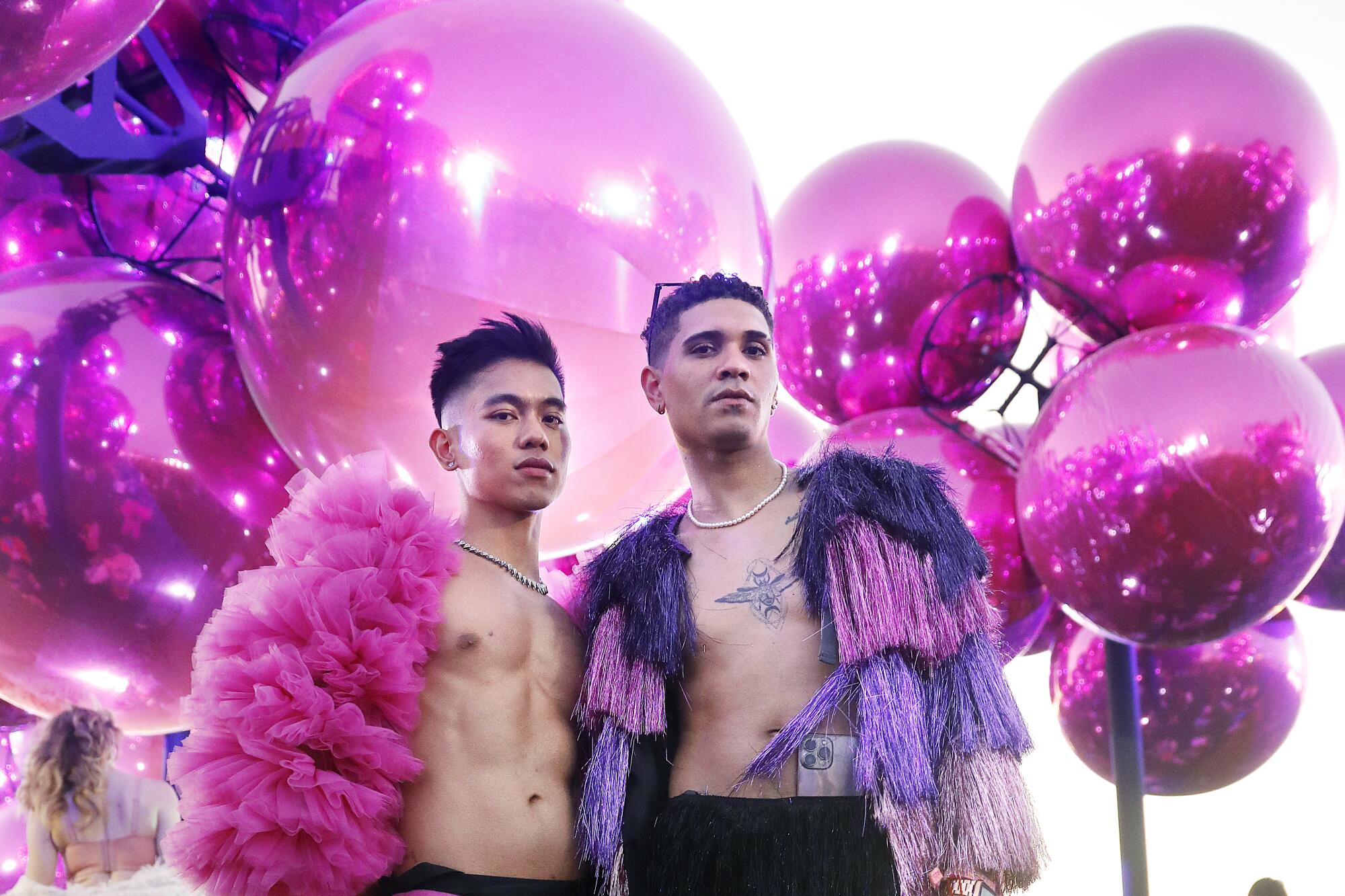
Scenic View at Coachella Music Festival showcasing the vibrant festival atmosphere in 2022
Scenic View at Coachella Music Festival showcasing the vibrant festival atmosphere in 2022. Credit: www.latimes.com

History of Coachella: Evolution of the Festival

The Coachella Music Festival, one of the most iconic events in the music industry, has a rich history that dates back to its inception in 1999. Originating in Indio, California, the festival has grown in size and popularity over the years.

Early Beginnings

The inaugural Coachella festival took place in October 1999 and featured performances by notable artists such as Beck, The Chemical Brothers, and Rage Against the Machine. Despite facing financial challenges, the festival was well-received by attendees.

Expansion and Success

As Coachella gained momentum, it expanded to a three-day event in 2007, allowing for a more diverse lineup of musicians from various genres. This expansion contributed to the festival’s success and solidified its reputation as a must-attend event for music lovers.

Artistic Innovation

Coachella is not only about music but also about art installations and performances. The festival showcases a mix of visual art, sculptures, and interactive experiences, creating a unique and immersive environment for attendees.

Significance of Coachella: Impact on the Music Industry

The Coachella Music Festival, held annually in Indio, California, plays a pivotal role in shaping the music industry. The event showcases a diverse lineup of top-tier and emerging artists across various genres, attracting music enthusiasts from around the world.

Influence on Artist Careers

Coachella provides a significant platform for artists to reach a massive audience and gain exposure. Performances at the festival often lead to increased album sales, streaming numbers, and concert ticket demand, propelling artists to new heights in their careers.

Artists who deliver memorable sets at Coachella receive widespread recognition and critical acclaim, solidifying their status in the music industry.

Cultural Impact

Since its inception in 1999, Coachella has not only influenced the music scene but has also become a cultural phenomenon. The festival sets trends in fashion, art, and lifestyle choices, making it a hallmark event that transcends music.

The unique blend of music, art installations, and interactive experiences at Coachella creates a vibrant atmosphere that resonates with attendees, leaving a lasting impact on popular culture.

Venue Selection: Factors Influencing Location

Choosing the perfect venue for an event like the Coachella Music Festival requires meticulous consideration of various factors. The location sets the tone for the entire festival experience. Let’s delve into the key elements that influence the selection of the Coachella Music Festival venue.

Accessibility and Transportation

One of the crucial factors in deciding the location of the Coachella Music Festival is accessibility. The venue should be easily reachable by attendees coming from different parts of the country or even worldwide. Adequate transportation facilities, including shuttle services and parking lots, are essential to ensure smooth logistics during the event. Transportation availability is key to ensuring attendee satisfaction.

Weather Conditions

The weather plays a significant role in determining the location of the Coachella Music Festival. The chosen venue should typically have favorable weather conditions during the festival dates to enhance the overall experience for festival-goers. A pleasant climate can elevate the festival atmosphere.

Amenities and Infrastructure

Another essential aspect is the availability of amenities and infrastructure at the venue. Proper facilities such as stages, restrooms, food vendors, and camping areas are vital for the comfort and convenience of attendees. The venue should also have sufficient space to accommodate the various activities and performances planned for the festival. Quality amenities enhance the festival experience for all visitors.

Unveiling the Location: Discovering Coachella Music Festival’s Venue

When you ask, “Where is the Coachella Music Festival held?” the answer lies in the Empire Polo Club in Indio, California. Each year, the event takes place at this iconic venue, attracting thousands of music enthusiasts and festival-goers.

The Empire Polo Club

The Empire Polo Club, with its vast expanse of green fields and picturesque surroundings, serves as the perfect backdrop for the Coachella Music Festival. This venue has been hosting the festival since its inception and has become synonymous with the event’s unique vibe.

Location Details

The Empire Polo Club is located at 81-800 Avenue 51, Indio, CA 92201, making it easily accessible for attendees coming from different parts of California and beyond. Its strategic location and amenities make it an ideal spot for hosting one of the most popular music festivals in the world.

Logistics and Planning: Organizing the Music Festival

Choosing the Venue

Organizing the Coachella Music Festival begins with selecting the perfect venue. The location should accommodate a large number of attendees, offer sufficient space for multiple stages, and have good accessibility.

Infrastructure and Services

A crucial aspect of logistics is ensuring the infrastructure and necessary services are in place. This includes setting up stages, sound systems, lighting, security, food vendors, and restroom facilities.

  • Stages: Multiple stages are set up to host different artists simultaneously.
  • Security: Trained personnel and emergency services are on standby to ensure attendee safety.
  • Food and Beverage: Diverse food vendors cater to various dietary needs of festival-goers.

Transportation and Parking

Another critical aspect is managing transportation and parking for the festival. Organizers arrange shuttle services, parking lots, and traffic control to facilitate smooth entry and exit for visitors.

  • Shuttle Services: Shuttle buses are organized from designated pickup points to the festival grounds.
  • Parking: Ample parking areas are designated to accommodate the influx of vehicles.

Artist Lineup: Highlighting Performances and Headliners

One of the most anticipated aspects of the Coachella Music Festival is the artist lineup, featuring a diverse array of top performers and headliners. This year’s lineup promises to deliver an unforgettable experience for music lovers from around the world.

Headliners

The headliners for this year’s Coachella Music Festival are set to wow the audience with their incredible performances. Artists from various genres will take the stage to showcase their talent and entertain the crowd.

Some of the headliners include Billie Eilish, Foo Fighters, and Tame Impala, ensuring an electrifying atmosphere that will keep festival-goers on their feet throughout the event.

Featured Performances

Aside from the headliners, the festival also features a lineup of talented performers who are sure to captivate the audience with their musical prowess. From emerging artists to seasoned veterans, each performance adds a unique flavor to the festival.

  • Featured Performances include:
  • 1. Lizzo – Bringing her powerful vocals and energetic stage presence
  • 2. Megan Thee Stallion – Keeping the excited with her infectious beats
  • 3. The Weeknd – Serenading the audience with his chart-topping hits

Community and Culture: Embracing the Coachella Experience

Coachella Music Festival is not just about the incredible lineup of artists but also about the vibrant community and culture it fosters. Each year, thousands of festival-goers from around the world gather at the Empire Polo Club in Indio, California, where the festival is held.

Engaging Performances

One of the key aspects of the Coachella experience is the diverse range of performances that cater to various musical tastes. From mainstream headliners to underground artists, the festival offers a platform for both established and emerging talents. The energy and enthusiasm of the crowd create a unique atmosphere that is unparalleled.

Attendees can expect to be mesmerized by electrifying sets, awe-inspiring visuals, and unforgettable moments that contribute to the overall spirit of community and culture at Coachella.

Art Installations and Exhibits

In addition to music, Coachella boasts a plethora of art installations and exhibits scattered throughout the festival grounds. These installations range from interactive sculptures to large-scale immersive experiences, providing festival-goers with opportunities to engage with art in unconventional ways.

The fusion of music and art creates a dynamic environment where creativity knows no bounds. Whether exploring a thought-provoking exhibit or stumbling upon a hidden art piece, attendees are constantly surrounded by inspiration.

Frequently Asked Questions

    • Where is the Coachella Music Festival held?
    • The Coachella Music Festival is held in Indio, California, USA.
    • How often does the Coachella Music Festival take place?
    • The Coachella Music Festival takes place annually over two weekends in April.
    • What is the significance of the Coachella Music Festival location?
    • Indio, California, where Coachella is held, provides a desert backdrop and a unique atmosphere for the festival.
    • Are there camping options available at the Coachella Music Festival?
    • Yes, there are camping options available for festival-goers at Coachella with different levels of accommodation.
    • How can I get to the Coachella Music Festival location?
    • You can get to the Coachella Music Festival location in Indio, California, by car, shuttle bus, or rideshare services.

Unveiling the Location: Where is the Coachella Music Festival Held?

In conclusion, the Coachella Music Festival takes place in Indio, California, at the Empire Polo Club. The festival’s unique location in the picturesque desert landscape, coupled with its lineup of top-notch musical acts, art installations, and cultural experiences, has made it a premier destination for music lovers worldwide. By uncovering the mystery of where the Coachella Music Festival is held, attendees can better prepare for the ultimate festival experience. So, mark your calendars and start planning for an unforgettable experience at this iconic music event!

Filed Under: BLOG

  • « Previous Page
  • 1
  • …
  • 30
  • 31
  • 32
  • 33
  • 34
  • …
  • 42
  • Next Page »

Copyright © 2026 · Doctor Custom Theme on Genesis Framework · WordPress · Log in