Mufakha Doctors BD

Festival of Today

September 6, 2024 by FF25Zl48PJRrGoRIiXgbBgcV Leave a Comment

With the ever-evolving cultural landscape and the blend of traditions in the contemporary world, understanding what festivals mean today has become crucial. In this blog, we delve into the fascinating insight of what the festival of today is. Festivals hold a special place in society, showcasing a vibrant tapestry of customs, beliefs, and celebrations that reflect the spirit of communities globally. From music festivals that unite diverse audiences to cultural festivals preserving heritage, the essence of festivals has transformed over time. Join us as we explore the significance, evolution, and impact of festivals in today’s modern era.

Introduction to Festivals

Festivals are cultural celebrations that mark significant events or traditions, embracing joy, unity, and diversity. In today’s dynamic world, festivals have evolved to reflect the spirit of modern times, blending tradition with contemporary elements.

The Essence of Festivals Today

Today’s festivals emphasize community bonding, artistic expression, and multiculturalism.

They serve as platforms for individuals to explore various art forms and traditions exclusively.

Digitization and Festivals

The advent of technology has revolutionized festivals, with virtual events, live streaming, and augmented reality experiences enriching the festive spirit.

  • Virtual reality tours allow participants to immerse themselves in 2022 festival celebrations.
  • Live-streamed performances bring global audiences together to witness the essence of modern festivals.
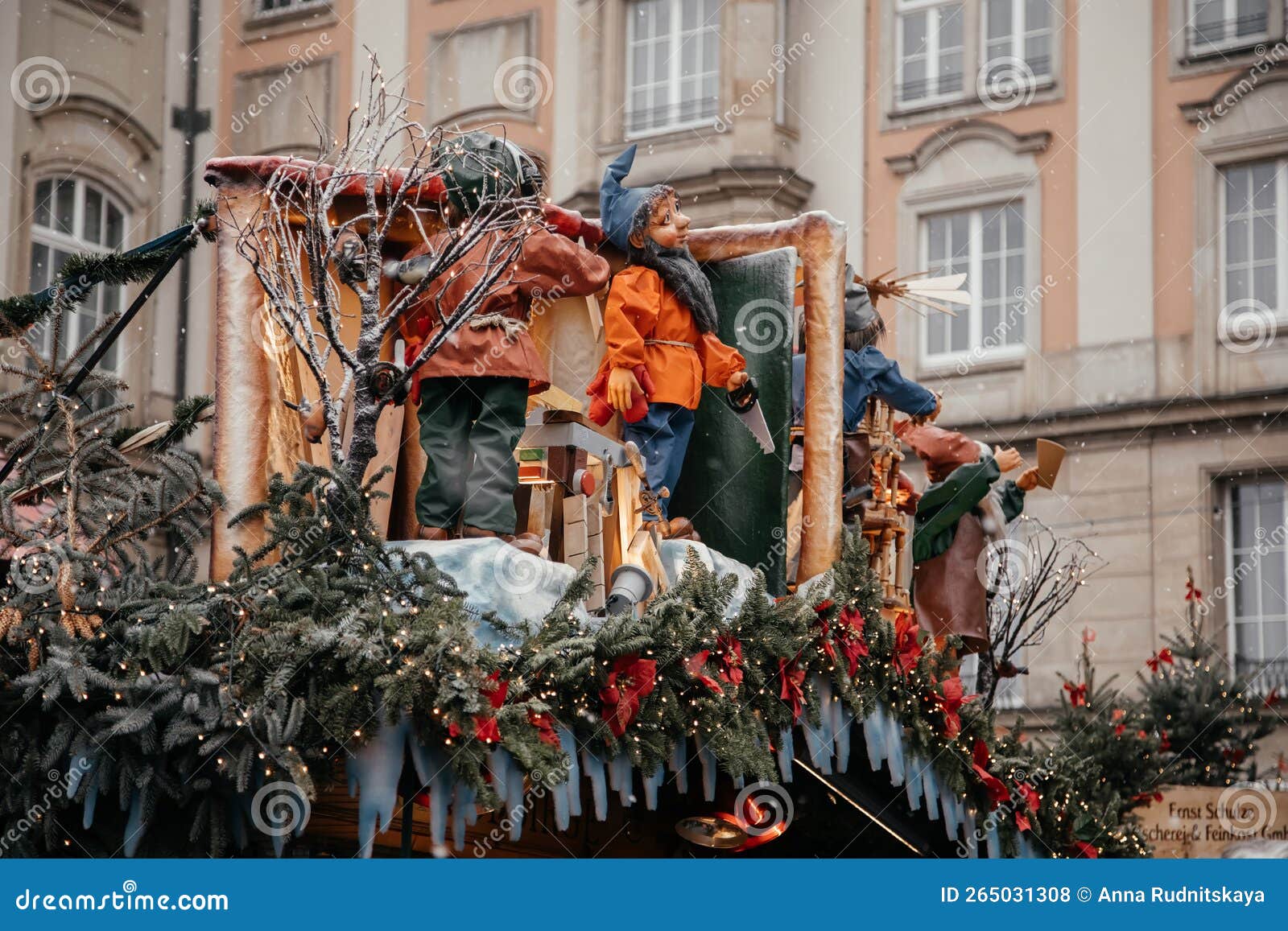
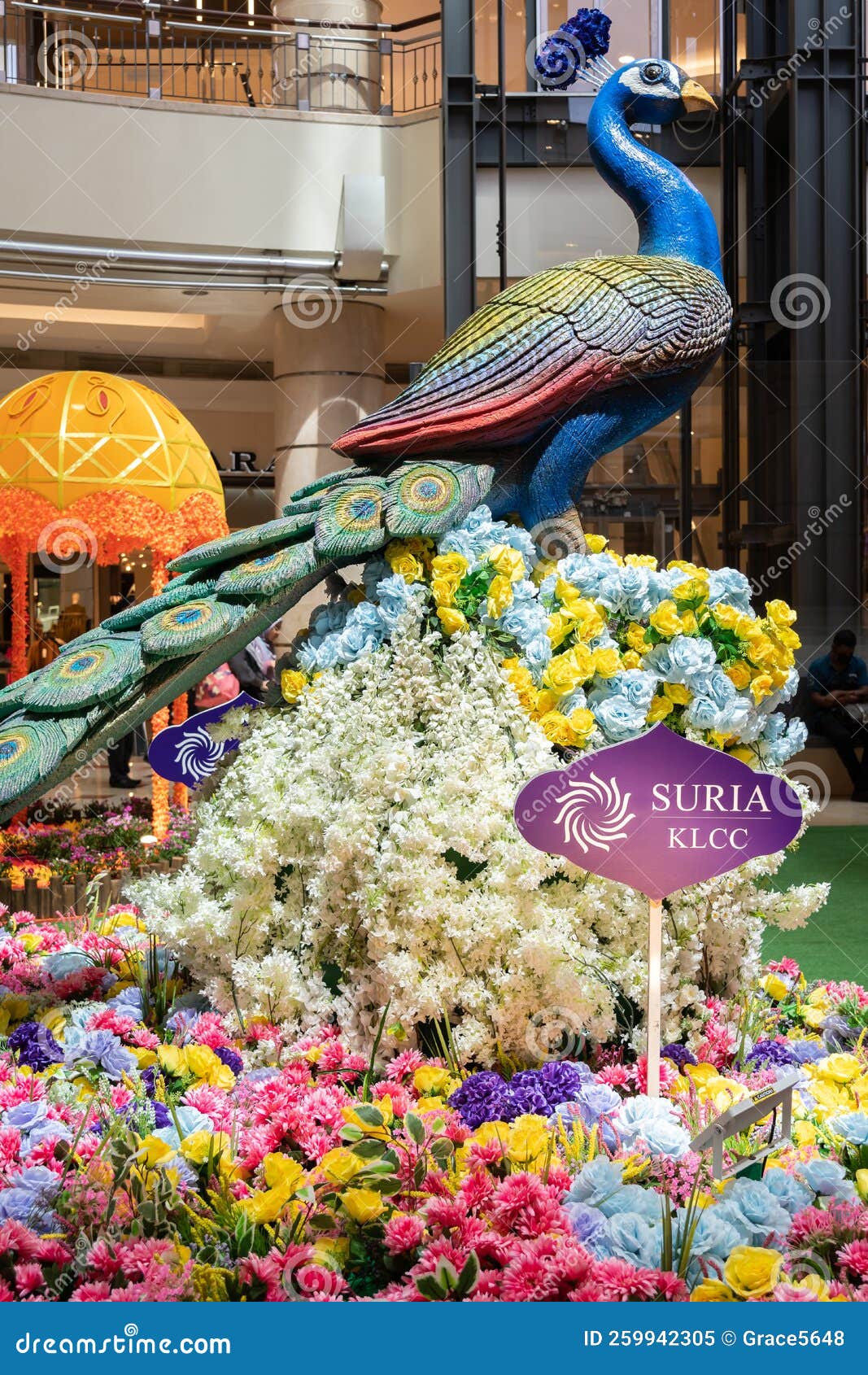
Vibrant festival decorations in the year of 2022
Vibrant festival decorations in the year 2022. Credit: www.dreamstime.com

Historical Significance

The Festival of Today, rooted in ancient traditions, holds immense historical significance. Originating centuries ago, it celebrates the customs and cultures that have shaped society. In the past, festivals marked important harvest seasons, religious observances, or historical events.

Evolution of Festivals

Over time, festivals have evolved to reflect changing societal values and beliefs. They serve as a reminder of our cultural heritage and bring communities together in joyful celebration. Festivals promote unity and solidarity among people from diverse backgrounds.

Impact on Contemporary Society

Today, festivals play a crucial role in fostering cultural exchange and mutual understanding. They offer a platform for artists, artisans, and performers to showcase their talents and traditions. Festivals also boost local economies and promote tourism.
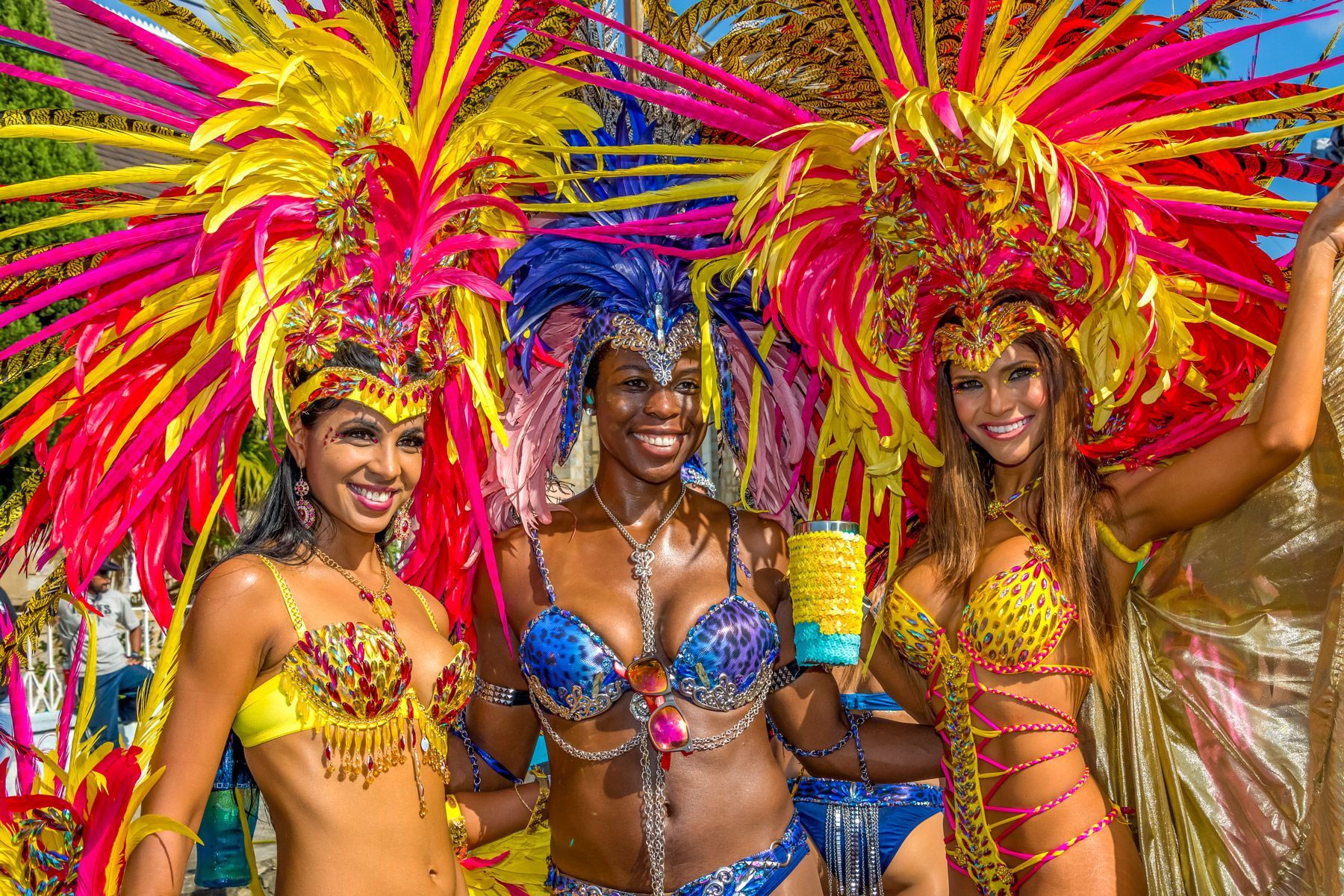
Vibrant festival celebration happening in the year of today
A vibrant festival celebration is happening today. Credit: www.freepik.com

Evolution of Festivals

Festivals today have evolved significantly from their traditional roots, reflecting the dynamic cultural landscape of our modern society. With the ever-changing social and technological advancements, festivals now serve as more than just celebrations; they are platforms for artistic expression, social cohesion, and economic growth.

Virtual Festivals in the Digital Age

In the digital age, online festivals have gained immense popularity, allowing people from around the world to participate in events virtually. This trend has been further accelerated by the current global situation, with many traditional festivals transitioning to virtual formats to ensure safety and accessibility.

Environmental Sustainability Initiatives

Contemporary festivals are also increasingly focusing on environmental sustainability, incorporating eco-friendly practices and initiatives. From reducing plastic waste to promoting green transportation options, festivals are taking proactive steps to minimize their environmental impact and promote a sustainable future.

Popular Festivals Today

Today, the essence of festivals lies in embracing diversity and celebrating cultural richness. With globalization, traditional festivals are evolving to incorporate modern elements, appealing to a wider audience.

Virtual Celebrations

In the current landscape, virtual festivals have gained prominence. Events like music festivals, art exhibitions, and religious gatherings have moved online, offering a unique digital experience.

Attendees can now immerse themselves virtually in these festivals, interacting with others across the globe.

Community Engagement

Today, festivals focus on community engagement and forging connections between people. Events such as food festivals, street fairs, and cultural celebrations bring individuals together to share traditions and experiences.

  • Food Festivals showcasing global cuisines
  • Artisan markets promoting local craftsmanship
  • Music concerts featuring diverse genres
Diverse Festival Celebrations in the Current Year
Diverse Festival Celebrations in the Current Year. Credit: www.freepik.com

Cultural Impact

Exploring the cultural impact of today’s festivals provides a unique insight into modern society’s values and traditions. Festivals serve as a platform for communities to showcase their heritage and celebrate diversity.

Evolution of Festivals

The evolution of festivals over time reflects the changing dynamics of society. From traditional religious observances to contemporary music festivals, the range of celebrations has diversified.

Furthermore, the fusion of cultural elements in modern festivals highlights the global interconnectedness of communities, promoting cross-cultural understanding and appreciation.

Technology and Festivals

Technology has revolutionized the way festivals are experienced and shared. Social media platforms allow festival-goers to connect, document, and share their experiences in real time, creating a digital archive of cultural celebrations.

This integration of technology not only enhances the festival experience but also amplifies the cultural significance of these events on a global scale.

Social Celebrations

Social celebrations in today’s world have evolved into grand events that blend tradition with modern trends. These celebrations serve as platforms for people to come together, celebrate their heritage, and create unforgettable memories.

The Diversity of Festivals

From religious festivals to cultural observances, the spectrum of social celebrations reflects the rich tapestry of global traditions. Each festival contributes to the cultural mosaic, showcasing unique practices and beliefs.

These celebrations often include colorful decorations, traditional music, dance performances, and culinary delights that define the essence of the festival. Embracing diversity enhances the festival experience.

Technological Influence

Modern festivals integrate technology seamlessly, offering virtual experiences and live-streaming options to cater to global audiences. Technological advancements have revolutionized the way festivals are celebrated.

  • Virtual reality tours
  • Interactive online platforms
  • Augmented reality elements

Symbolism and Traditions

Exploring the rich world of festivals unveils a tapestry of symbolism and traditions that define cultural celebrations worldwide. These festivals reflect the values, beliefs, and heritage of a community, highlighting the significance of rituals passed down through generations.

Historical Significance

Many festivals originate from historical events, symbolizing triumph, unity, or reverence. These celebrations serve as a link to the past, honoring ancestors and preserving cultural identity.

Moreover, these traditions evolve and adapt to contemporary times, blending old customs with modern interpretations.

Symbolic Practices

During festivals, symbolic acts such as lighting candles, wearing specific colors, or offering prayers embody deeper meanings and spiritual significance.

  • Offerings: Many festivals involve offerings to deities or spirits as a token of respect and gratitude.
  • Decorations: Intricate decorations symbolize prosperity, luck, or protection, adding vibrancy to the festive atmosphere.
  • Costumes: Traditional costumes worn during festivals often represent cultural heritage and storytelling through intricate designs.

Festival Foods and Delicacies

Exploring the culinary delights of today’s festivals, one cannot help but be amazed by the diverse array of mouthwatering dishes and treats that tantalize the taste buds of attendees.

Local Specialties

One highlight of modern festivals is the showcasing of local specialties, traditional dishes, and unique delicacies that are not only delicious but also provide a cultural insight into the region’s culinary heritage.

From flavorful street foods to exquisite desserts, each bite tells a story of the community’s identity and traditions.

Global Fusion Cuisine

Moreover, in today’s festivals, one can experience a culinary journey around the world through the fusion of flavors and ingredients from different cultures.

This trend reflects the evolving food landscape and the growing appreciation for diverse gastronomic experiences.

Global Festivals and Diversity

Exploring the rich tapestry of global festivals in today’s world unveils a vibrant spectrum of cultural celebrations. From the electrifying Rio Carnival to the colorful Holi festival, each event exudes its unique essence, reflecting the diversity of traditions worldwide.

The Significance of Global Festivals

Global festivals serve as expressions of heritage and community spirit. These celebrations not only commemorate historical events but also foster unity among diverse populations, emphasizing the beauty of cultural differences.

Participating in such festivals allows individuals to immerse themselves in unfamiliar traditions, broadening their perspectives and promoting intercultural understanding.

Celebrating Diversity through Festivals

Embracing diversity via festivals promotes tolerance and inclusivity in society. These events showcase the world’s rich cultural panorama, encouraging respect for various beliefs, customs, and practices.

  1. Attending multicultural festivals can spark dialogue and bridge gaps between different communities.
  2. Through shared experiences and festivities, people can celebrate unity amid diversity.

Frequently Asked Questions

    • What is the Festival of Today?
    • The Festival of Today is a celebration that embraces the modern world and contemporary cultural practices. It is a reflection of current society and offers a unique insight into the present day.
    • How is the Festival of Today different from traditional festivals?
    • The Festival of Today differs from traditional festivals in its focus on modern themes, trends, and technologies. Rather than looking to the past, it looks towards the future, embracing innovation and current societal values.
    • What can one expect to experience at the Festival of Today?
    • At the Festival of Today, visitors can expect to immerse themselves in contemporary art, music, fashion, and other forms of creative expression. The festival often features cutting-edge performances, installations, and interactive experiences that reflect current cultural influences.
    • Who typically attends the Festival of Today?
    • The Festival of Today attracts a diverse audience, including artists, creatives, innovators, trendsetters, and individuals interested in exploring the latest cultural movements. It is open to people of all ages and backgrounds who have a curiosity for modern-day expressions of creativity.
    • How can one participate in the Festival of Today?
    • To participate in the Festival of Today, one can typically purchase tickets for admission or register for specific events and workshops offered as part of the festival program. Some festivals may also welcome volunteers or submissions from artists and performers interested in showcasing their work.

Unveiling the Essence: What Is the Festival of Today

As we delve into the enchanting world of modern festivals, we unearth a tapestry of diverse celebrations that define the spirit of our contemporary society. The festival of today is a fusion of tradition and innovation, where ancient customs intertwine with modern trends to create unique and vibrant experiences for people of all backgrounds. It serves as a reflection of our cultural evolution, reminding us of the importance of community, creativity, and unity in today’s fast-paced world.

In conclusion, the festival of today is not merely an event to attend but a journey to embrace the richness of our global heritage and the creativity of our current era. It is a celebration of life, diversity, and human connection, offering us a glimpse into the beauty of what it means to be part of this ever-evolving tapestry of humanity.

Filed Under: BLOG

Festival of Lights

September 6, 2024 by FF25Zl48PJRrGoRIiXgbBgcV Leave a Comment

Each year, as the end of the year approaches, communities around the world gear up to celebrate the festival of lights with great zeal and enthusiasm. But what is the Festival of Lights, and why is it such a significant event in various cultures? This captivating celebration is not just about luminous displays and colorful decorations; it holds a deeper cultural and spiritual significance that brings people together in joy and unity. In this blog, we will delve into the origins, traditions, and importance of the Festival of lights, shedding light on why millions of individuals globally look forward to this magical time of the year.

Looking to miss the weekend crowd, but looking to enjoy food vendors, lights, and shopping? Monday’s are perfect! For info, visit us at https://t.co/TsKL26Jzc4 #RiversideFOL #ILoveRiverside pic.twitter.com/nBbSm5AiVu

— Festival Of Lights (@folriverside) December 12, 2022

Introduction to the Festival of Lights

The Festival of Lights, also known as Diwali, is one of the most significant and widely celebrated festivals in India and across the world. It symbolizes the victory of light over darkness, good over evil, and knowledge over ignorance. The festival usually lasts for five days, with each day holding its importance and rituals. People decorate their homes with colorful rangoli, light clay lamps called diyas, and burst fireworks to celebrate this auspicious occasion.

Diwali festival lights decoration 2021
Diwali festival lights decoration 2021. Credit: www.freepik.com

Traditions and Customs

During Diwali, families come together to perform traditional prayers, exchange gifts, and share festive meals. It is a time when people clean their homes and create beautiful rangoli designs at the entrance to welcome Goddess Lakshmi, the deity of wealth and prosperity. The lighting of diyas and candles is believed to ward off evil spirits and bring blessings into the home.

  • Rituals: Lighting oil lamps, offering prayers, and giving gifts
  • Celebrations: Fireworks, sharing sweets, and wearing new clothes

Significance of Diwali

Diwali signifies the spiritual “victory of light over darkness” and “good over evil.” It marks the return of Lord Rama, his wife Sita, and his brother Lakshmana to Ayodhya after 14 years of exile. The day is also celebrated in honor of the goddess Lakshmi, the Hindu goddess of wealth and prosperity.

The festival also holds cultural significance as it is celebrated by people of various faiths and backgrounds, fostering a sense of unity and harmony within communities.

Historical Significance and Origins

The Festival of Lights holds great historical significance and has roots that date back centuries. It is a celebration that symbolizes the victory of light over darkness and good over evil. This festival is celebrated by various cultures and religions around the world, each with its unique customs and traditions.

Origin in Hindu Culture

In Hindu culture, the Festival of Lights, known as Diwali, is one of the most significant festivals. It marks the return of Lord Rama to Ayodhya after 14 years of exile and his victory over the demon king Ravana. People light oil lamps, decorate their homes, exchange gifts, and enjoy festive meals during this time.

Spread to Other Cultures

Over time, the celebration of the Festival of Lights has transcended its origins and spread to other cultures and religions. In Sikhism, Diwali holds historical importance as it commemorates the release of Guru Hargobind Ji from imprisonment. In Jainism, it marks the spiritual awakening of Lord Mahavira.

Celebrations and Traditions

During the annual celebration of the Festival of Lights, communities around the world come together to commemorate the triumph of light over darkness.

Lighting of Lamps and Decorations

One of the key traditions of the Festival of Lights is the lighting of lamps and candles in homes and public spaces, symbolizing the victory of good over evil.

People also adorn their homes with colorful rangoli patterns and decorative lights, creating a vibrant and festive atmosphere.

Exchange of Sweets and Gifts

Another significant aspect of the celebration is the exchange of sweets and gifts among family members, friends, and neighbors.

This act of sharing reinforces the spirit of unity and togetherness during this auspicious time.

Spiritual and Cultural Importance

The Festival of Lights holds tremendous spiritual and cultural importance across various communities. It signifies the triumph of light over darkness and good over evil.

Sacred Rituals

During this auspicious time, families come together to light traditional lamps called diyas to illuminate their homes and herald in positivity. The light represents the inner spiritual light that protects us from spiritual darkness.

Celebratory Customs

Another essential aspect is the exchange of gifts and sweets, symbolizing unity and love among people. Additionally, festive decorations and rangoli artwork beautify homes, enhancing the festive spirit.

Similar Festivals around the World

As we delve into the essence of what is the festival of lights, it’s intriguing to explore similar celebrations around the globe that illuminate the spirit of unity and joy. Various festivals share the theme of light dispelling darkness and symbolizing hope and renewal.

Diwali in India

Diwali, known as the Festival of Lights, is a significant celebration in India that symbolizes the victory of light over darkness and good over evil. It is marked with vibrant decorations, fireworks, and the lighting of diyas (oil lamps) to illuminate homes and streets.

Hanukkah in Israel

Hanukkah, also called the Festival of Lights, is a Jewish festival commemorating the rededication of the Second Temple in Jerusalem. It is celebrated with the lighting of the menorah, a special nine-branched candelabrum, over eight nights, symbolizing the miracle of a one-day supply of oil lasting for eight days.

Image Source: Unsplash

Frequently Asked Questions

    • What is the Festival of Lights?
    • The Festival of Lights is a cultural celebration that involves the display of lights, symbolizing the victory of light over darkness and good over evil.
    • When is the Festival of Lights celebrated?
    • The Festival of Lights is celebrated on different dates depending on the cultural or religious tradition. For example, Diwali, a significant Festival of Lights in Hinduism, is usually celebrated in October or November.
    • What are some common traditions associated with the Festival of Lights?
    • Common traditions associated with the Festival of Lights include lighting lamps or candles, decorating homes with lights, exchanging gifts, preparing special meals, and setting off fireworks.
    • How is the Festival of Lights celebrated around the world?
    • The Festival of Lights is celebrated in various countries and cultures around the world, each with its unique customs and traditions. For example, Diwali is widely celebrated in India, while Hanukkah is a Jewish Festival of Lights observed in many countries.
    • What is the significance of the Festival of Lights?
    • The Festival of Lights holds different significance across cultures but generally symbolizes the triumph of light over darkness, knowledge over ignorance, and good over evil. It is a time for reflection, gratitude, and spreading joy.

Unveiling the Brilliance of the Festival of Lights

As we conclude our exploration into the enchanting realm of the Festival of Lights, we unravel a tapestry of cultural significance and historical richness. This festival, celebrated across diverse cultures with unique traditions, symbolizes the triumph of light over darkness and the victory of good over evil.

From Diwali in India to Hanukkah in Jewish tradition, the festival unites communities in illuminating celebrations that spread joy and hope. The essence of togetherness, spiritual renewal, and the sharing of warmth with loved ones define the true essence of the Festival of Lights.

By delving into the heartwarming stories and customs embraced during this auspicious time, we glean insights into the universal themes of hope, renewal, and the enduring power of light in our lives.

Filed Under: BLOG

Sundance Film Festival

September 6, 2024 by FF25Zl48PJRrGoRIiXgbBgcV Leave a Comment

Welcome to our exploration of the illustrious Sundance Film Festival! If you’ve ever found yourself wondering, “What is Sundance Film Festival all about?” you’re in the right place. Founded by Robert Redford in 1978, this prestigious event is a mecca for independent filmmakers and cinema enthusiasts alike. Held annually in Utah, the festival showcases groundbreaking films from diverse voices, pushing boundaries and sparking conversations. It’s where emerging talent meets industry veterans, where creativity thrives, and where unforgettable stories come to life on the silver screen. Join us as we delve into the magic, history, and significance of the Sundance Film Festival.

Announcing the 2025 #Sundance Film Festival dates. We’ll see you next year January 23–February 2, 2025. Want to stay connected to us year round? Subscribe to our emails and get the latest news on ticket sales here:https://t.co/i3stOIewhp pic.twitter.com/A2xcFMiXWW

— Sundance Film Festival (@sundancefest) March 19, 2024

Introduction: The Significance of the Sundance Film Festival

As we delve into what makes the Sundance Film Festival one of the most prestigious events in the film industry, it’s essential to understand its significance. Established in 1978, Sundance serves as a platform for independent filmmakers to showcase their creative works and connect with a global audience.

The Impact on Emerging Filmmakers

For emerging filmmakers, Sundance offers a launchpad for their careers, providing exposure and recognition within the industry. The festival’s inclusive nature fosters diversity and innovation, empowering creators to share their unique stories.

The Influence on Film Trends

Each year, the Sundance Film Festival sets the tone for upcoming film trends, influencing mainstream cinema and artistic expression. The curated selection of films reflects societal issues, cultural shifts, and cutting-edge storytelling techniques.

Sundance Film Festival Image in the Modern Film Industry
Sundance Film Festival Image in the Modern Film Industry. Credit: thefilmverdict.com

History of Sundance Film Festival

The Sundance Film Festival, founded by Robert Redford, is the largest independent film festival in the United States. It started in 1978 and has since grown into a platform for independent filmmakers to showcase their work. The festival takes place annually in Utah and is known for its focus on innovative and thought-provoking cinema.

Origins and Growth

Originally known as the Utah/US Film Festival, it was later renamed the Sundance Film Festival in 1991. This change was to honor the Native American Sundance ceremony and to reflect the vision of independence and creativity in filmmaking.

Impact on the Film Industry

The Sundance Film Festival has been a launchpad for many successful independent films and filmmakers, helping them find distribution and recognition in the industry. Films like Reservoir Dogs, Little Miss Sunshine, and Whiplash gained fame after premiering at Sundance.

Format and Events at the Festival

The Sundance Film Festival is a premier event that showcases independent films from around the world. The festival typically runs for 10 days in January in Park City, Utah. It features a diverse selection of movies, including documentaries, shorts, and feature films, all competing for various awards.

Schedule and Format

During the festival, screenings are held at multiple venues across Park City, allowing attendees to catch a wide range of films throughout the day. In addition to film screenings, there are panel discussions, filmmaker Q&A sessions, and workshops that provide insight into the industry.

Moreover, the festival follows a strict schedule with films organized into cateU.S.es like the U.S. Dramatic Competition, World Cinema Dramatic CU.S.tition, U.S. Documentary Competition, and more. This format allows attendees to navigate the festival based on their interests.

Key Events

One of the most anticipated events at the Sundance Film Festival is the opening night premiere, which sets the tone for the rest of the festival. Celebrities, filmmakers, and industry professionals gather to celebrate the opening of the festival.

  1. Another highlight is the Awards Ceremony, where standout films are recognized for their excellence. Winners receive accolades such as the Grand Jury Prize, Audience Award, and Directing Award.
  2. Additionally, parties and networking events are a crucial aspect of the festival, providing attendees with the opportunity to connect with like-minded individuals and industry insiders.
Sundance Film Festival showcasing independent films in the year 2022
Sundance Film Festival showcasing independent films in the year 2022. Credit: ucrarts.ucr.edu

Celebrities and Awards at Sundance Film Festival

Sundance Film Festival is not only a platform for showcasing independent films but also an event where celebrities shine on the red carpet. Every year, this prestigious festival attracts Hollywood’s elite indie stars and emerging talents, creating a glamorous and star-studded atmosphere.

Celebrity Sightings

From veteran actors to rising stars, *the Sundance Film Festival* is a melting pot of talent, and attendees can often spot their favorite celebrities mingling with the crowd or attending premieres and panel discussions. The festival provides a unique opportunity for fans to interact with their on-screen idols in a more intimate setting.

Award Ceremonies

One of the highlights of the *Sundance Film Festival* is the award ceremonies, where exceptional films and performances are recognized and celebrated. The prestigious awards, such as the Grand Jury Prize and the Audience Award, serve as a testament to the talent and creativity showcased at the festival.

Global Impact of the Festival

The Sundance Film Festival, known for showcasing independent films and emerging talent, has a significant global impact on the film industry and beyond.

Celebrating Diversity and Inclusion

One of the festival’s key contributions is its celebration of diversity and inclusion, providing a platform for underrepresented voices and stories.

Industry Networking and Collaboration

The festival serves as a hub for industry networking and collaboration, where filmmakers, producers, and actors come together to exchange ideas and foster creative partnerships.

Future of Sundance Film Festival

The future of the Sundance Film Festival looks bright and promising in the coming years as it continues to be a platform for emerging filmmakers and independent artists striving to make their mark in the film industry.

Increased Digital Presence

With the advancements in technology, the Sundance Film Festival is expected to expand its digital footprint by embracing online streaming platforms to reach a wider audience.

This shift towards digital platforms will enable global viewership of the festival, allowing film enthusiasts from around the world to experience the event virtually.

Focus on Diversity and Inclusion

The future editions of the Sundance Film Festival are likely to place a greater emphasis on diversity and inclusion by showcasing stories from diverse backgrounds, cultures, and perspectives.

This commitment to promoting underrepresented voices in the film industry will contribute to a more inclusive and equitable cinematic landscape.

Frequently Asked Questions

    • What is the Sundance Film Festival?
    • The Sundance Film Festival is an annual event that takes place in Utah, United States and is one of the largest independent film festivals in the world. It showcases a wide variety of films, including documentaries, feature films, and shorts.
    • When does the Sundance Film Festival take place?
    • The Sundance Film Festival usually takes place in late January and spans over 10 days, during which filmmakers, actors, industry professionals, and film enthusiasts gather to celebrate independent cinema.
    • How did the Sundance Film Festival get its name?
    • The Sundance Film Festival was named after the character of ‘The Sundance Kid’ played by Robert Redford in the 1969 film ‘Butch Cassidy and the Sundance Kid.’ Actor and director Robert Redford founded the festival.
    • What can attendees expect at the Sundance Film Festival?
    • Attendees at the Sundance Film Festival can expect to watch a diverse range of films, attend panel discussions, workshops, and parties, and interact with filmmakers and celebrities. It is a hub for networking and discovering emerging talent in the film industry.
    • How are films selected for the Sundance Film Festival?
    • Films are submitted for consideration by the festival programmers, who then curate the selection. The films are chosen based on criteria such as originality, storytelling, relevance, and artistic expression.

Unveiling the Magic: What is Sundance Film Festival All About?

As we conclude our exploration of the Sundance Film Festival, it becomes clear that this event is not just about movies; it’s about celebrating diversity, innovation, and the power of storytelling. The festival serves as a launchpad for aspiring filmmakers, a platform for underrepresented voices, and a meeting ground for industry professionals. Its impact extends far beyond the silver screen, influencing trends, sparking conversations, and inspiring change. The Sundance Film Festival is where creativity thrives, boundaries are pushed, and artistry shines. So, next time you hear about Sundance, remember it’s not just a festival; it’s a cultural phenomenon that continues to shape the landscape of independent cinema.

Filed Under: BLOG

Festival of Diwali

September 6, 2024 by FF25Zl48PJRrGoRIiXgbBgcV Leave a Comment

Diwali, also known as the Festival of Lights, holds significant cultural and religious importance for Hindus, Sikhs, Jains, and Buddhists around the world. But what is the true essence of this vibrant and joyous festival? Diwali signifies the triumph of light over darkness and good over evil. It is a time for families to come together, exchange gifts, partake in feasts, and light diyas or oil lamps to illuminate their surroundings. The festival also symbolizes the beginning of a new year in many regions, signifying hope, renewal, and prosperity. Join us as we delve deeper into the traditions, rituals, and meaning behind the beautiful Festival of Diwali.

ICYMI The season 6 cast of Essence and @cocacola Zero Sugar’s #IfNotForMyGirls took over the stage at #ESSENCEFest for a hilarious share fest.

Check it out now! @MsAmberPRiley, @LadyLondon , @thereynaroberts https://t.co/fhdtImWYrD pic.twitter.com/u9lRiOR24I

— ESSENCE (@Essence) August 27, 2024

Introduction to Diwali

Diwali, also known as the Festival of Lights, is one of the most popular and widely celebrated festivals in India.

Significance of Diwali

Diwali signifies the victory of light over darkness and good over evil. It is a time for families to come together, exchange gifts, and partake in festive meals.

During Diwali, homes and streets are decorated with colorful rangoli patterns, diyas (oil lamps), and fireworks, creating a vibrant and joyous atmosphere.

Celebrations and Traditions

People clean their homes, wear new clothes, and offer prayers to Goddess Lakshmi, the Hindu goddess of wealth and prosperity, during Diwali.

  1. Exchanging sweets and gifts with loved ones
  2. Lighting fireworks and sparklers
  3. Participating in puja ceremonies at temples and homes
Diwali celebrations with colorful decorations in the year 2022
Diwali celebrations with colorful decorations in the year 2022. Credit: www.dreamstime.com

History and Origin of Diwali

Diwali, also known as the Festival of Lights, is a significant Hindu festival celebrated every year. The word ‘Diwali’ is derived from the Sanskrit word ‘Deepavali,’ which means a row of lights. It signifies the victory of light over darkness, good over evil, and knowledge over ignorance.

The Legend of Diwali

One of the popular legends associated with Diwali is the return of Lord Rama to Ayodhya after defeating the demon king Ravana. People lit oil lamps to guide their way back, symbolizing the triumph of good over evil.

The festivities typically last for five days, with each day holding special significance. People clean and decorate their homes, burst fireworks, exchange gifts, and enjoy festive meals with family and friends.

Cultural Significance

Diwali is not only celebrated by Hindus but also by Jains, Sikhs, and Buddhists for various reasons. For Jains, it marks the spiritual awakening of Lord Mahavira, while Sikhs commemorate the release of Guru Hargobind from imprisonment.

In contemporary times, Diwali is a time of joy, unity, and new beginnings. It promotes harmony among communities and fosters a sense of togetherness and gratitude.

Significance and Traditions

Diwali, the Festival of Lights, holds immense significance in the Hindu calendar. It symbolizes the victory of light over darkness and good over evil. People celebrate by lighting diyas and fireworks, sharing sweets, and exchanging gifts with loved ones.

Historical Significance

Diwali marks the return of Lord Rama to Ayodhya after 14 years of exile and his victory over the demon King Ravana. It is also celebrated as the day when Goddess Lakshmi emerged from the churning of the cosmic ocean, bringing prosperity and wealth.

Traditional Rituals

The traditions of Diwali include cleaning and decorating homes, drawing intricate rangoli designs, wearing new clothes, and preparing delicious sweets and snacks. Families gather for prayers, pujas, and arti ceremonies to seek blessings for wealth and prosperity.

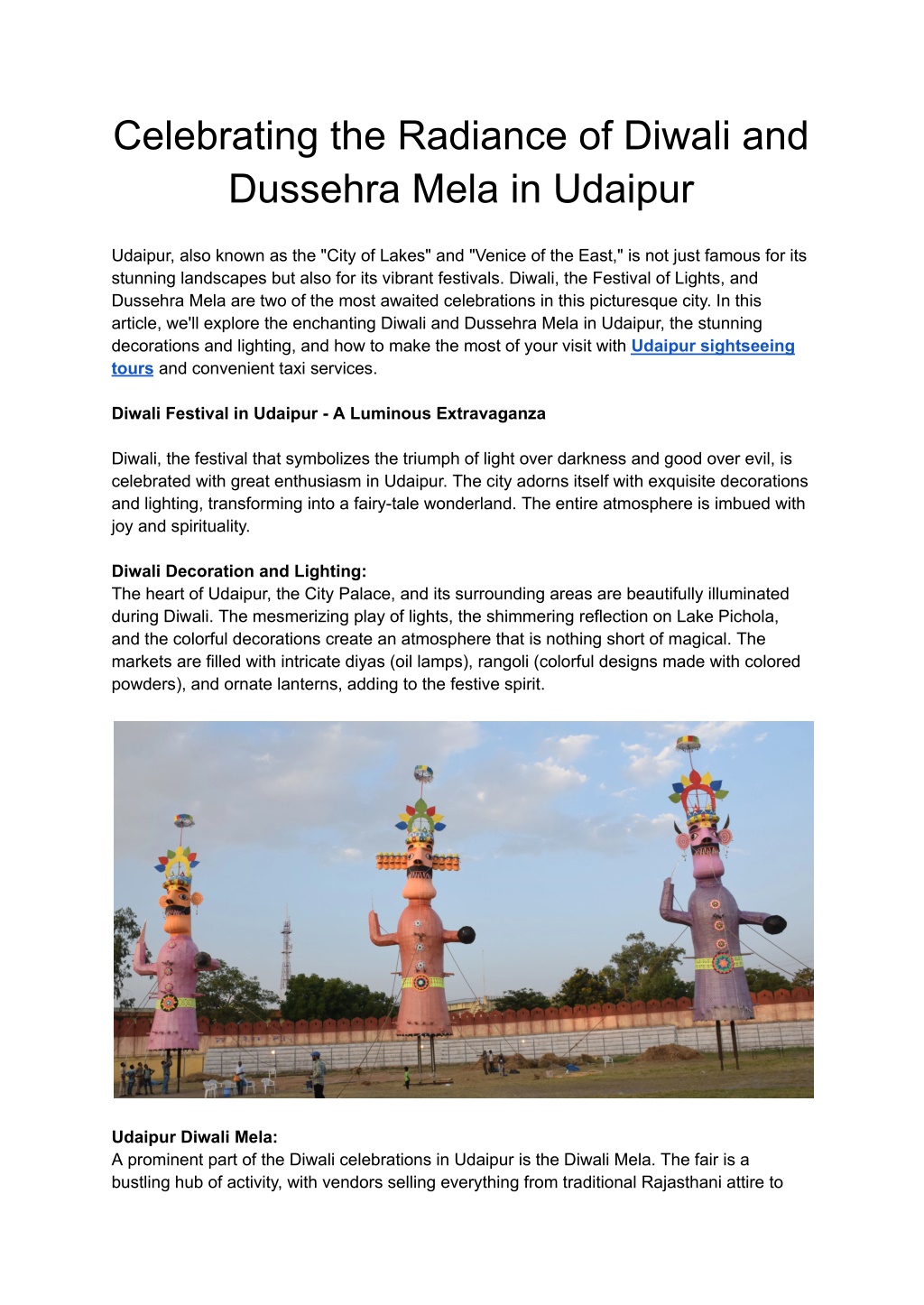
Diwali decorations with lights and diyas, reflecting the festive spirit of the year
Diwali decorations with lights and diyas reflect the festive spirit of the year. Credit: www.slideserve.com

Celebrations Across Different Regions

During the Festival of Diwali, celebrations vary across different regions in India, each highlighting unique traditions and customs.

North India

In North India, Diwali is celebrated to honor the return of Lord Rama to Ayodhya after defeating Ravana. People light diyas and burst fireworks to symbolize the triumph of light over darkness.

South India

In South India, Diwali is commonly known as Deepavali. People create colorful rangolis outside their homes and exchange sweets with loved ones.

West India

During Diwali in West India, the celebrations include grand processions, where people adorn themselves in traditional attire and participate in dance performances.

East India

In East India, Diwali is observed with devotion to the goddess Kali. People offer prayers, light lamps, and engage in cultural programs to commemorate the occasion.

Diwali Decorations and Rangoli

Diwali, also known as Deepavali, is a festival that symbolizes the spiritual “victory of light over darkness, good over evil, and knowledge over ignorance.” One of the main attractions during Diwali is the beautiful decorations that adorn homes and streets in vibrant colors and lights.

Rangoli Designs

Rangoli is a traditional art form where intricate patterns are created on the floor using colored powders, flowers, or rice grains. These designs are believed to bring good luck and ward off evil spirits during Diwali celebrations.

Diwali 2022 will showcase a variety of rangoli designs ranging from traditional motifs to modern patterns, reflecting the creativity and cultural richness of the festival. Experience the artistry and symbolism of rangoli this Diwali!

Decorative Lights and DIY Decor Ideas

Decorative lights play a significant role in enhancing the festive spirit during Diwali. Homes are adorned with strings of lights, diyas (oil lamps), and lanterns to create a warm and welcoming ambiance.

  • Illuminate your home with LED lights in various colors and styles.
  • Use eco-friendly diyas made from clay for a sustainable celebration.
  • Create custom decor pieces using recycled materials for an eco-conscious Diwali.

Celebrate Diwali 2022 by incorporating these creative DIY decor ideas to add a personal touch to your festive decorations. Let your creativity shine!

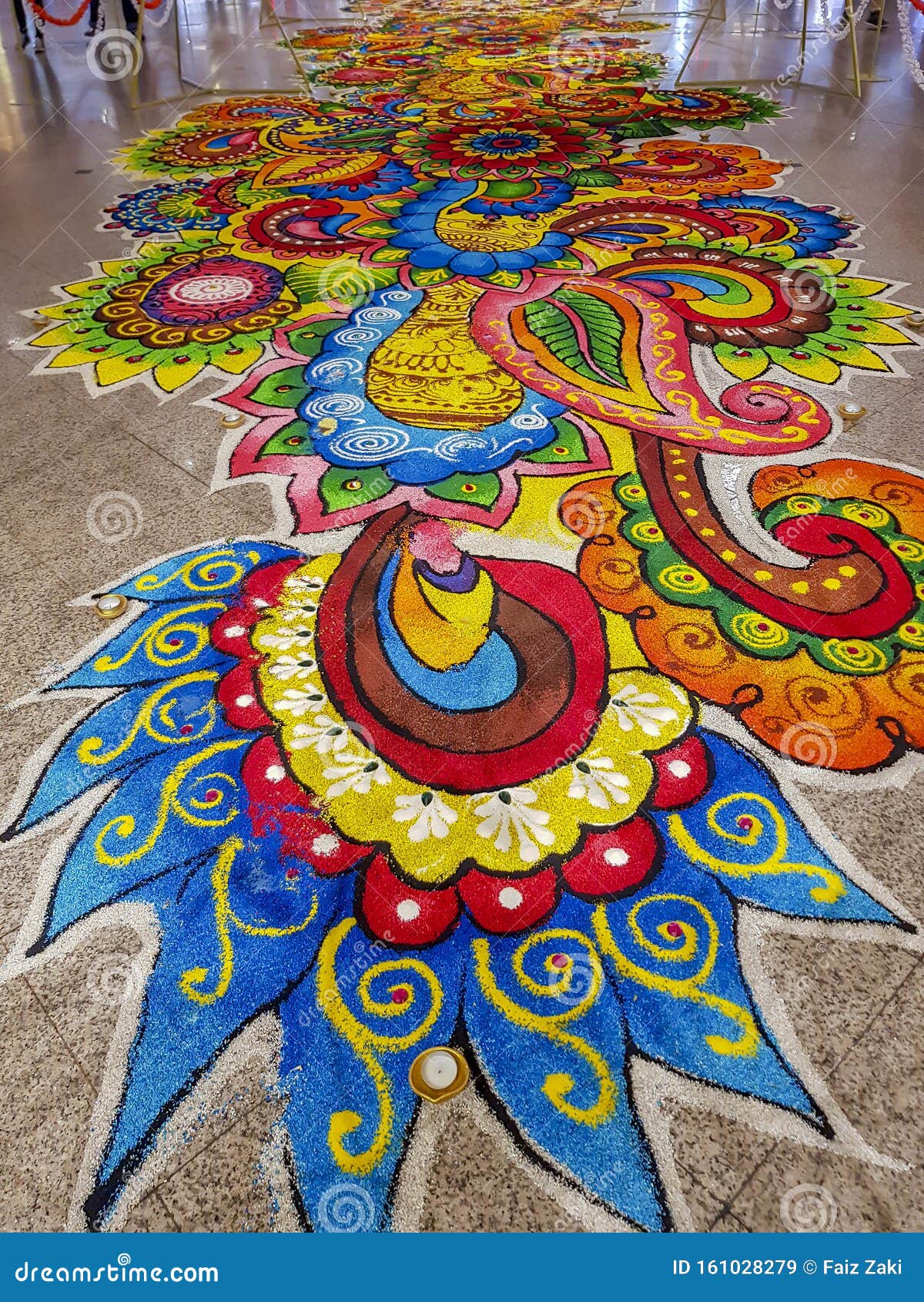
Diwali decorations and rangoli artistry in 2022
Diwali decorations and rangoli artistry in 2022. Credit: www.dreamstime.com

Diwali Sweets and Savories

Diwali, also known as the Festival of Lights, is incomplete without indulging in a variety of traditional sweets and savories that hold significant cultural importance.

Popular Diwali Sweets

During Diwali, homes are filled with the sweet aroma of mithai (sweets) like barfi, laddoos, gulab jamun, and jalebi.

Most households prepare Diwali specialties such as sohan papdi, kaju katli, and pedal to share with guests and family.

Delicious Savories

Alongside sweets, savory snacks like namak pare, chivda, mathri, and shakarpara are popular choices during Diwali.

  • Crispy murukku and chakli are must-haves in every household to celebrate the festive spirit.

Diwali Puja and Rituals

Diwali, also known as the Festival of Lights, is a significant Hindu festival celebrated with great enthusiasm. Central to Diwali celebrations are the traditional rituals and pujas performed by families in their homes.

Preparation for Diwali

Days before Diwali, homes are cleaned and decorated to welcome Goddess Lakshmi, who symbolizes wealth and prosperity. A thorough cleaning is believed to invite good fortune into the household.

Rangoli designs are drawn at the entrance to appease the deities and ward off evil spirits. These intricate patterns are made with colored rice, sand, or flower petals.

Diwali Puja

On Diwali day, families perform a special puja (prayer ritual) in the evening. The puja involves lighting oil lamps and candles to illuminate the house and create a spiritual ambiance.

Devotional songs and mantras are recited to seek blessings for happiness, good health, and prosperity for the year ahead.

Symbolism of Diwali

Diwali represents the victory of light over darkness and good over evil. It is believed that on this day, Lord Rama returned to Ayodhya after defeating the demon king Ravana.

In addition to homes, streets, and public places are adorned with lights, diyas (earthen lamps), and lanterns as a symbol of hope and positivity.

Fireworks and Lighting

During the Festival of Diwali, one of the most captivating aspects is the spectacle of fireworks and lighting that illuminates the night sky and decorates homes and streets.

Fireworks Display

Communities come together to enjoy grand fireworks displays that symbolize the victory of light over darkness and good over evil. The vibrant colors and patterns create a mesmerizing scene.

The festive atmosphere is further enhanced by the crackling sounds and bright lights that fill the air, adding to the celebratory mood.

Traditional Diyas

Alongside fireworks, the lighting of traditional diyas (earthen lamps) is a significant part of Diwali celebrations. These lamps, often filled with ghee or oil, symbolize the inner light that dispels darkness.

  1. People place diyas around their homes, in courtyards, and on windowsills, creating a beautiful sight of twinkling lights.
  2. Decorative rangoli patterns are drawn around the lamps to enhance the visual appeal of the decorations further.

Environmentally Friendly Diwali

As we celebrate the What is Festival of Diwali this year, it is crucial to focus on making it environmentally friendly. One way to achieve this is by opting for eco-friendly decorations and practices.

Celebrate with Natural Materials

Consider decorating your home with biodegradable materials like fresh flowers, leaves, and eco-friendly rangoli colors. These items not only add to the festive spirit but also reduce environmental impact.

Go for Sustainable Lighting

Instead of traditional candles and fireworks, opt for LED lights and diyas that consume less energy and contribute to a greener Diwali celebration. Set a vibrant and eco-friendly ambiance.

Frequently Asked Questions

    • What is the Festival of Diwali?
    • Diwali, also known as the Festival of Lights, is a significant Hindu festival celebrated by millions of people around the world. It symbolizes the spiritual victory of light over darkness, good over evil, and knowledge over ignorance.
    • When is Diwali usually celebrated?
    • Diwali is typically celebrated in the autumn season between mid-October and mid-November, depending on the lunar calendar. The festival lasts for five days, with each day having its significance and rituals.
    • What are the traditional customs and rituals associated with Diwali?
    • People celebrate Diwali by lighting oil lamps or candles, known as diyas, decorating their homes with colorful rangoli designs, exchanging gifts, wearing new clothes, preparing delicious sweets, and watching fireworks displays.
    • Why is Diwali celebrated?
    • Diwali is celebrated for various reasons, including the return of Lord Rama to Ayodhya after defeating the demon king Ravana, the worship of the goddess Lakshmi for prosperity and wealth, the commemoration of the victory of Lord Krishna over the demon Narakasura, and the start of a new business year in some regions.
    • How is Diwali celebrated in different parts of India?
    • Diwali celebrations vary across different regions of India. In North India, the festival is associated with the legend of Lord Rama, while in South India, it is linked to the victory of Lord Krishna. Each region has its unique customs and traditions that add to the diversity and richness of Diwali celebrations.

In Conclusion: Unraveling the Essence of Diwali

As we explored the intricacies of the Festival of Diwali, it became evident that it is more than just a celebration of lights. Diwali symbolizes the victory of light over darkness and good over evil, showcasing the importance of spirituality, family, and community. The festival embodies unity, joy, and the spirit of giving, with rituals like lighting diyas and exchanging gifts strengthening bonds. Understanding the significance of the celebration of Diwali enriches our cultural awareness and appreciation for diversity. In essence, Diwali is a time for reflection, renewal, and rejoicing, enlightening our hearts with hope and positivity for the year ahead.

Filed Under: BLOG

Festival Jamaican Food

September 6, 2024 by FF25Zl48PJRrGoRIiXgbBgcV Leave a Comment

Are you ready to embark on a culinary journey through the vibrant and flavorful world of Jamaican cuisine? In this blog post, we will be unpacking the essence of Festival Jamaican Food, delving into its rich history, unique ingredients, and tantalizing flavors. So, what exactly is Festival Jamaican Food? This iconic cuisine is a celebration of bold spices, fresh ingredients, and a fusion of influences from African, Indian, Spanish, and British culinary traditions.

From zesty jerk chicken to mouthwatering ackee and saltfish, Jamaican food is a true reflection of the island’s vibrant culture and diverse heritage. Join us as we explore the tastes and aromas that make Festival Jamaican Food a beloved culinary experience worldwide.

Monster for the last day of #lobster season pic.twitter.com/nGo42z7AxH

— Jamaica Food Boss (@jamaicafoodboss) April 1, 2023

Introduction to Jamaican Food

Jamaican food is renowned for its bold flavors, vibrant colors, and unique blend of spices. With influences from African, Spanish, British, Indian, and Chinese cuisines, Jamaican dishes offer a tantalizing culinary experience.

Exotic Ingredients

Many Jamaican dishes feature exotic ingredients such as scotch bonnet peppers, pimento (allspice), and ackee fruit. These ingredients contribute to the distinct taste that sets Jamaican cuisine apart.

Jamaican cuisine also heavily relies on staples like plantains, yams, and coconut, offering a variety of textures and flavors in each dish.

Fusion of Cultures

Jamaican food is a reflection of the island’s rich history and diverse cultural influences, making it a melting pot of flavors. These cultural fusions have resulted in dishes that are both comforting and adventurous.

  • Jerk Chicken: A well-known Jamaican dish featuring marinated and grilled chicken with the iconic jerk seasoning.
  • Curried Goat: A traditional Jamaican favorite made with tender goat meat simmered in a fragrant curry sauce.
  • Ackee and Saltfish: The national dish of Jamaica, combining ackee fruit and salted codfish for a flavorful and hearty meal.
Authentic Jamaican culinary delights that capture the essence of what is festival Jamaican food in the current year.
Authentic Jamaican culinary delights that capture the essence of what is festival Jamaican food in the current year. Credit: www.jamaicaoceanviewvilla.com

Traditional Jamaican Ingredients

When exploring the flavors of Festival Jamaican Food, it’s essential to understand the traditional ingredients that make these dishes so unique and delicious. From spicy seasonings to tropical fruits, Jamaican cuisine is a vibrant fusion of African, Spanish, Indian, and British influences.

Spices and Seasonings

Jamaican dishes are known for their bold and spicy flavors. Common spices include allspice, thyme, and scotch bonnet peppers that add a kick to dishes such as jerk chicken and curry goat.

Tropical Fruits

Along with savory dishes, Jamaican cuisine also features a variety of tropical fruits like mangoes and pineapples that provide a refreshing contrast to the spicy flavors. These fruits are often used in both sweet and savory dishes.

  • Mangoes
  • Pineapples

History of Festival in Jamaican Cuisine

The Jamaican Festival is a popular dish in Jamaican cuisine. It is a type of fried dumpling. It gets its name from being commonly served during festive occasions in Jamaica.

Origin of Festival

The origin of FFestivalcan is traced back to the island’s African roots, specifically to traditional African cuisine and cooking techniques brought over by enslaved Africans.

Over the years, FFestivalhas evolved to become a staple in Jamaican culture, cherished for its slightly sweet flavor and crispy texture.

Ingredients and Preparation

To make FFestival, cornmeal, flour, sugar, baking powder, and salt are combined to form a dough, which is then shaped into elongated rolls and deep-fried until golden brown.

The dish is often served alongside popular Jamaican dishes such as fried fish, jerk chicken, or curry goat.

Preparation and Cooking of Festival

Festival is a popular Jamaican food that is often enjoyed during special occasions and celebrations. Its preparation involves a few simple ingredients and traditional cooking methods.

Gathering Ingredients

To make the Festival, you will need flour, cornmeal, sugar, baking powder, salt, and water. These ingredients are mixed to form a dough.

Mixing and Shaping

The dough is kneaded until it reaches a smooth consistency. It is then shaped into small cylinders or elongated shapes before being deep-fried.

Shaping the festival dough requires skill and precision to ensure even cooking and a delightful presentation. What makes fFestivalspecial.

Deep-Frying Process

The shaped festival pieces are carefully placed in hot oil and fried until they achieve a golden brown color and a crispy texture, a crucial step in festival making.

  1. Heat the oil to the right temperature to ensure proper frying.
  2. Fry the festival until they are evenly cooked on all sides.
  3. Remove from the oil and drain on paper towels to remove excess oil, which is important to achieve the perfect festival texture.
Preparing festive Jamaican food during a celebratory event in 2021
Preparing festive Jamaican food during a celebratory event in 2021. Credit: www.sandals.com

Variations of Festivals in Different Regions

When it comes to celebrating food, different regions have their unique take on festivals. From the savory flavors of Jamaican cuisine to the vibrant colors of Indian street food, each region offers a diverse culinary experience.

Jamaica

In Jamaica, the Festival is a popular traditional food that accompanies many dishes. It consists of fried dough, often flavored with sugar and spices, creating a delicious contrast to savory mains like jerk chicken or curry goat. This staple dish is beloved for its crispy exterior and soft interior, making it a favorite at gatherings and celebrations.

Jamaican festival food in the year 2022
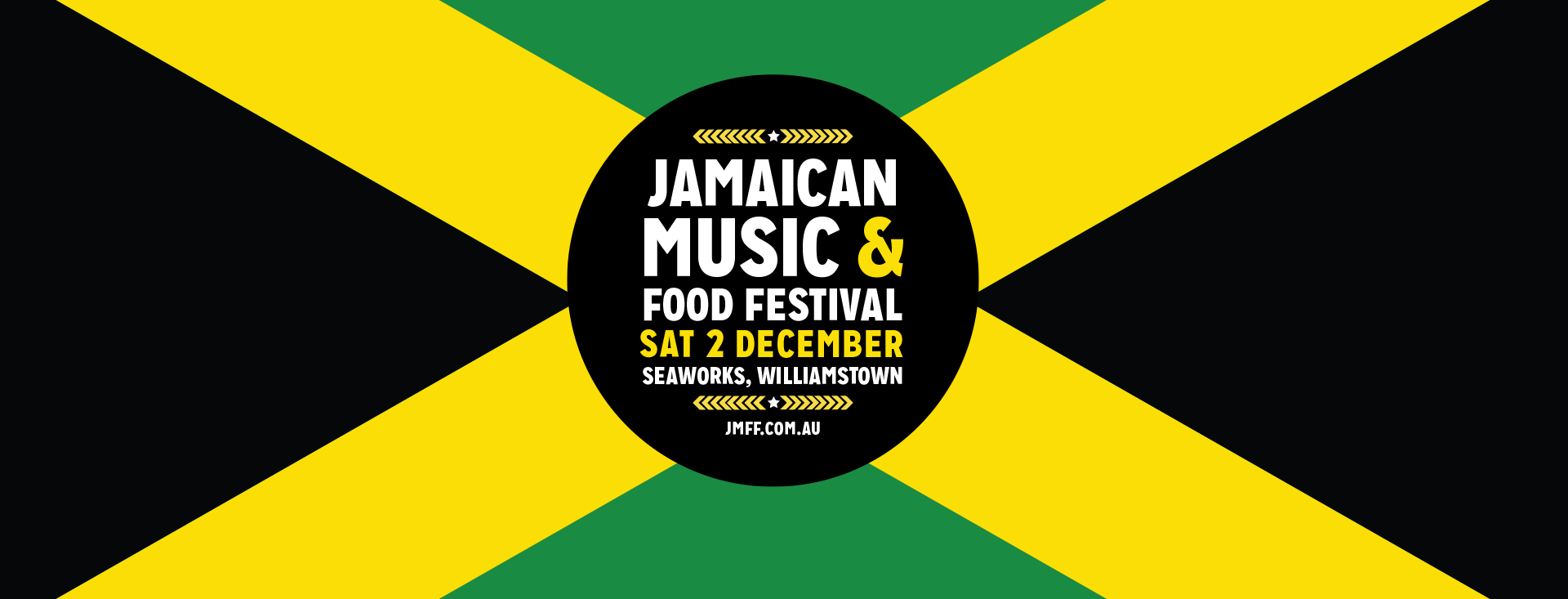
Jamaican festival food in the year 2022. Credit: www.pbsfm.org.au

India

Diwali, the festival of lights in India, is celebrated with an array of sweet and savory treats. From ladoos to samosas, each region in India showcases its unique culinary heritage during this festive time.

Serving and Pairing Festival

When it comes to Festival Jamaican Food, serving and pairing play a crucial role in enhancing the overall dining experience. For an authentic taste, fresh, vital, a popular Jamaican dish, is often served alongside savory dishes to balance out the flavors and textures.

Traditional Serving Style

Traditionally, festivals served hot and freshly fried, complementing dishes like jerk chicken or curry goat. The sweet and slightly crispy texture of festival acts is a delightful accompaniment to the bold and spicy flavors of traditional Jamaican cuisine.

Pairing festival with these main dishes creates a harmonious blend that tantalizes the taste buds.

Modern Twists in Serving

In recent years, chefs have been experimenting with innovative ways to serve fFes. It is vital, from gourmet variations to fusion dishes, that the estival now comes in a variety of presentations, catering to diverse palates and preferences.

  1. Some restaurants serve festival with a drizzle of honey or a sprinkle of spice for an added twist.
  2. Others incorporate unique flavors into the festival batter, creating exciting flavor combinations.

Importance of Festival in Jamaican Culture

Jamaican festivals are not only a celebration of food and music but also a reflection of the rich cultural heritage of the island. These festivals bring together communities, families, and friends to partake in traditional rituals and customs passed down through generations.

Celebration of Diversity

Each Festival, alien Jamaica showcases the diversity of the country’s population, with influences from African, Indian, Chinese, and European cultures blending harmoniously. This fusion of traditions is evident in the variety of dishes served during these festive occasions.

Preservation of Heritage

Jamaican festivals play a crucial role in preserving the customs, beliefs, and values of the island’s people. Through traditional dances, songs, and storytelling, the younger generation learns about their roots and the significance of cultural identity.

The festival foods, such as festivals, provide a tangible link to the past, offering a taste of history and a connection to ancestral practices.

Frequently Asked Questions

    • What is Jamaican food?
    • Jamaican food is a vibrant and flavorful cuisine that reflects the island’s rich history and cultural influences. It is known for its bold spices, tropical ingredients, and unique cooking techniques.
    • What are some popular ingredients used in Jamaican cuisine?
    • Some popular ingredients used in Jamaican cuisine include jerk seasoning (a blend of spices including allspice and Scotch bonnet peppers), ackee (a fruit often paired with saltfish), plantains, coconut milk, and scotch bonnet peppers.
    • What is jerk seasoning?
    • Jerk seasoning is a popular spice blend in Jamaican cooking. It typically includes allspice, Scotch bonnet peppers, thyme, garlic, and other spices. It is often used as a dry rub or marinade for meats, giving them a spicy and smoky flavor.
    • What are some traditional Jamaican dishes?
    • Some traditional Jamaican dishes include jerk chicken, curried goat, rice and peas, ackee and saltfish, and escovitch fish. These dishes showcase the diverse flavors and ingredients found in Jamaican cuisine.
    • What is the significance of food in Jamaican culture?
    • Food plays a central role in Jamaican culture, bringing people together in celebrations and daily meals. Traditional dishes are often prepared with love and care, and sharing a meal with others is a way to connect and bond.

Exploring the Richness of Festival Jamaican Food

As we conclude our journey into the colorful world of Jamaican cuisine, it becomes evident that the Jamaican food festival is a celebration of flavors, culture, and tradition. From the aromatic spices to the vibrant colors and diverse cooking techniques, every dish tells a story of Jamaica’s rich culinary heritage.

By understanding what fFestivalJamaican food entails – the fusion of African, Indian, Spanish, and British influences – we gain a deeper appreciation for the complexity and diversity of this unique cuisine. Through dishes like jerk chicken, ackee saltfish, and plantains, we not only tantalize our taste buds but also honor the history and soul of Jamaica.

So, next time you savor a plate of fFestivalJamaican food, remember that you are not just eating a meal; you are experiencing a piece of Jamaican history and culture on your palate.

Filed Under: BLOG

What Festival Is It Today?

September 6, 2024 by FF25Zl48PJRrGoRIiXgbBgcV Leave a Comment

Welcome to our blog series, “Thrilling Tales: What Festival Is It Today?” where we explore the vibrant world of festivals celebrated around the globe. Have you ever woken up on a particular day and wondered, “What festival is it today?” Each day brings forth a tapestry of cultures, traditions, and celebrations that can vary from a colorful street parade in Brazil to a serene lantern festival in Thailand. Join us on this exciting journey as we unravel the rich tapestry of festivals, discussing their origins, significance, and unique features. Get ready to be immersed in a world of festive spirit and cultural diversity like never before!

These webs really carry a tune 🎶

Get the Iron Spider Guitar in the Shop: https://t.co/rO1cNEohHw pic.twitter.com/3BI9MNvpyO

— Fortnite Festival (@FNFestival) August 24, 2024

Introduction to Festivals

Welcome to the world of festivals, where cultures converge, traditions come alive, and joy knows no bounds! Festivals are an integral part of societies worldwide, celebrating everything from harvests to historical events.

Global Festivals

Across the globe, diverse festivals are celebrated throughout the year. From the Chinese New Year to Diwali in India, each festival holds unique significance and customs. What festival is it today?

Impact on Communities

Festivals play a crucial role in bringing communities together. They foster a sense of unity, promote cultural exchange, and often boost local economies through tourism and commerce. The spirit of togetherness during festivals is truly remarkable.

Illustration of cultural festival celebration in the year what festival is it today
Illustration of cultural festival celebration in the year what festival is it today. Credit: www.richmondfolkfestival.org

Significance of Celebrating Festivals

One of the joys of life is celebrating festivals, as they bring people together in a shared celebration of traditions and cultural heritage. Festivals are a time for communities to rejoice, bond, and create lasting memories.

The Cultural Connection

Each festival carries with it a rich tapestry of customs, rituals, and stories that have been passed down through generations. These celebrations are a way for people to connect with their roots and honor their heritage.

Participating in festivals allows individuals to feel a sense of belonging and pride in their cultural identity, fostering a deep appreciation for diversity.

Fostering Togetherness

Celebrating festivals promotes unity and solidarity within communities. It provides an opportunity for people to come together, share joyful moments, and strengthen social bonds.

During festivals, individuals set aside differences and come together in a spirit of harmony, spreading love and happiness among all participants.

Understanding Different Types of Festivals

Festivals are vibrant celebrations that showcase culture, tradition, and diversity. They bring people together to commemorate various occasions with joyful festivities.

Music Festivals

Music festivals are one of the most popular types of festivals globally. They feature live performances by musicians and bands, attracting music enthusiasts from all walks of life. From rock to pop to electronic music, there is a music festival to suit every taste.

Food Festivals

Food festivals celebrate culinary delights from around the world. They offer a gastronomic experience with a variety of dishes, street food, and culinary demonstrations. Indulge in delectable treats and savor the flavors of different cultures at food festivals.

  • International Street Food Festival
  • Wine and Cheese Festival
  • Chocolate Festival

Cultural Festivals

Cultural festivals showcase the rich heritage and traditions of a specific community or country. They include dance performances, arts and crafts exhibitions, traditional ceremonies, and cultural parades. Experience the essence of a culture through its festivities.

Exploring Festivals Around the World

Exploring Festivals Around the World is an exciting journey that allows us to immerse ourselves in different cultures and traditions. From vibrant music festivals to colorful cultural celebrations, there is a festival for everyone, no matter what time of the year it is. Festivals offer a unique opportunity to experience the spirit and energy of a community, making them a must-visit for any travel enthusiast.

Chinese New Year in China

One of the most significant festivals celebrated in China is the Chinese New Year, also known as Spring Festival. This festival marks the beginning of the lunar new year and is a time of family reunions, delicious feasts, and spectacular fireworks.

Diwali in India

Diwali, also known as the Festival of Lights, is one of India’s most important festivals. It symbolizes the victory of light over darkness and good over evil. During Diwali, homes and streets are decorated with colorful lights, and people come together to celebrate with fireworks and delicious sweets.

The Intriguing Story Behind Today’s Festival

As we wonder what festival it is today, the current year 2022 brings forth a myriad of vibrant celebrations and cultural events from around the world.

The Historical Significance

Unveiling the rich heritage behind each festival, we delve into their origins that date back centuries, symbolizing unity and traditions passed down generations.

These celebrations hold emotional and historical significance, showcasing cultural diversity and shared values.

Global Festivities in 2022

Exploring the global tapestry of festivals in 2022, we witness a fusion of colors, music, and traditions that offer a glimpse into different worlds and belief systems.

  1. Chinese New Year
  2. Diwali
  3. Oktoberfest

Traditions and Customs Associated with the Festival

Every year, enthusiasts eagerly await to unravel the mystery behind the question, “What festival is it today?” In recent times, the festival celebration has evolved into a unique blend of traditional customs and modern influences.

Special Attire and Decorations

One of the essential aspects of the festival is the elaborate attire donned by participants, reflecting the rich cultural heritage. Intricate designs and vivid colors are a common sight during the festivities. Participants often wear traditional attire that symbolizes their deep-rooted connection to the festival’s history and significance.

Culinary Delights

Food plays a crucial role in the celebration, with families coming together to prepare sumptuous feasts. Traditional dishes and sweets are meticulously crafted to honor the festival’s customs and rituals. The aroma of delicious delicacies fills the air, creating a festive ambiance that delights all the senses.

Music and Dance Performances

Music and dance are integral parts of the festival, with vibrant performances showcasing the cultural diversity and vibrancy of the celebration. Enthusiastic participants engage in lively dance routines accompanied by rhythmic beats, creating a jubilant atmosphere that captivates onlookers.

Celebrating the Festival in Different Cultures

Celebrating festivals is a vibrant way for communities to come together and honor their traditions. Each culture has its unique way of commemorating special occasions. In some regions, religious festivals hold a significant place in people’s lives, while in others, cultural festivals bring joy and unity.

Festivals in India

In India, festivals like Diwali, Holi, and Eid are celebrated with great enthusiasm. Diwali, also known as the Festival of Lights, symbolizes the victory of light over darkness and good over evil. Holi, the festival of colors, marks the arrival of spring with vibrant hues and joyous celebrations. Eid is a religious festival celebrated by Muslims worldwide, marking the end of Ramadan.

Festivals in Japan

Japanese culture celebrates festivals like Hanami and the Cherry Blossom Festival, where people gather under cherry blossom trees to enjoy the fleeting beauty of the flowers. Additionally, the Gion Matsuri in Kyoto is a famous festival featuring colorful processions and traditional dances.

Festivals in Brazil

Brazil hosts the vibrant Carnival festival, known for its samba parades, music, and exuberant costumes. This lively event attracts millions of visitors from around the world who join in the festive spirit. Another popular Brazilian festival is Festa Junina, a traditional celebration with folk music, dances, and delicious local food.

Modern-Day Celebrations and Festivals

In today’s world, what festival is it today? It has become a common question, highlighting the diversity of celebrations across cultures. From vibrant music festivals to traditional religious events, there is always a festival taking place somewhere around the globe.

The Rise of Music Festivals

One of the most prominent trends in modern celebrations is the rise of music festivals. Events like Coachella, Glastonbury, and Tomorrowland attract thousands of attendees each year, creating a unique blend of music, art, and culture.

These festivals offer an immersive experience featuring performances by up-and-coming artists alongside established headliners.

Virtual Festivals in the Digital Age

With the advent of technology, virtual festivals have gained popularity, especially in the wake of the global pandemic. Platforms like Twitch and YouTube now host online events, allowing participants to experience festivals from the comfort of their homes.

These digital gatherings provide a way for people to connect and celebrate together despite physical barriers.

Frequently Asked Questions

    • What are thrilling tales?
    • Thrilling tales refer to stories or narratives that evoke strong feelings of excitement, suspense, or anticipation in the audience.
    • Why are thrilling tales popular?
    • Thrilling tales are popular because they captivate the audience by creating intense emotions such as fear, excitement, or curiosity, making the storytelling experience engaging and memorable.
    • How do thrilling tales contribute to festivals?
    • Thrilling tales contribute to festivals by offering entertainment that adds an element of excitement and intrigue to the celebratory atmosphere, creating a unique and memorable experience for attendees.
    • What kinds of festivals showcase thrilling tales?
    • Various festivals such as Halloween events, horror film festivals, storytelling festivals, or cultural celebrations may showcase thrilling tales as part of their entertainment lineup to engage and entertain participants.

In Conclusion: Unveiling the Festive Mystery

As we explored the fascinating world of festivals and traditions in “Thrilling Tales: What Festival Is It Today?” we unraveled the beauty of cultural diversity and the joyous celebrations that bring people together. From colorful carnivals to ancient rituals, each festival carries a unique essence that enriches our lives and shapes our identities.

By delving into the question of “what festival is it today,” we embarked on a journey of discovery, learning about the significance of different celebrations around the globe. It’s a reminder that no matter where we are, festivals provide us with an opportunity to connect, celebrate, and embrace the rich tapestry of human heritage.

So, next time you hear the drums beating or see the lights gleaming, pause for a moment and immerse yourself in the magic of the festival happening around you. Let’s cherish these moments of joy, unity, and cultural splendor that make our world a more vibrant and harmonious place to be.

Filed Under: BLOG

  • « Previous Page
  • 1
  • …
  • 5
  • 6
  • 7
  • 8
  • 9
  • …
  • 42
  • Next Page »

Copyright © 2026 · Doctor Custom Theme on Genesis Framework · WordPress · Log in